Warnings by Nature at the Beginning of Each Year? Twenty Years of Early-Year Disasters
Why look again at a warning given in 1880?
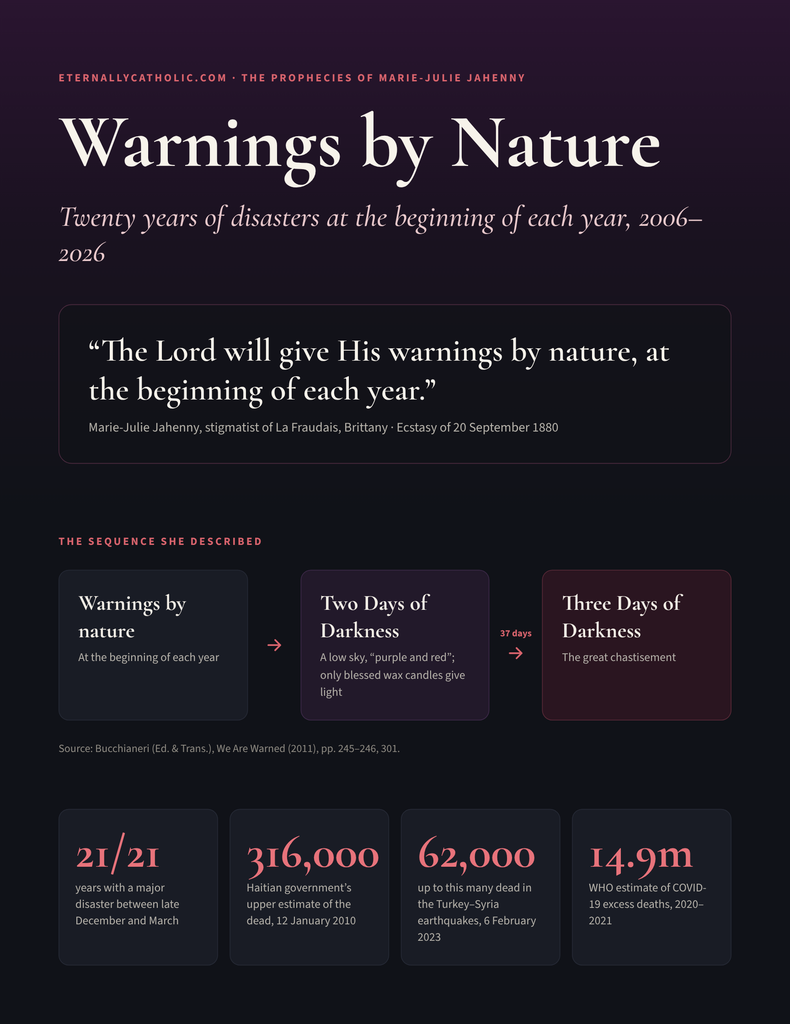
On 20 September 1880, in a small farmhouse at La Fraudais in Brittany, the stigmatist Marie-Julie Jahenny repeated words she said had been given to her by the Flame of the Holy Spirit: the Lord “will give His warnings by nature, at the beginning of each year” (Bucchianeri, 2011, p. 245). The line is brief, almost an aside, yet it sits within one of the most sobering passages of her ecstasies, where she describes days of darkness that will come upon the earth before the great chastisement.
More than a century later, the phrase invites a simple question. If the Lord does speak through nature at the opening of the year, what has nature been saying? This article surveys the major natural disasters that struck in the first months of each year from 2006 to 2026. It does not set out to prove the prophecy, nor to dismiss it. It sets out the record as plainly as the sources allow, and then asks how a Catholic ought to read such events in the light of faith and of the Church’s teaching on private revelation.
What exactly did Marie-Julie Jahenny hear?
Marie-Julie Jahenny (1850–1941) was a Breton peasant woman, a Franciscan tertiary, who bore the stigmata from 1873. Her early defender was Bishop Félix Fournier of Nantes, who examined her and concluded that there was no fraud at La Fraudais (Bucchianeri, 2011). Over decades her ecstasies were transcribed by witnesses, and in 2011 E. A. Bucchianeri gathered and translated many of them into English in We Are Warned.
The warning about the beginning of the year comes from the ecstasy of 20 September 1880. The original French reads: “Le Seigneur donnera Ses avertissements au moyen de la nature, au début de chaque année.” Bucchianeri renders it, “The Lord will give His warnings by nature, at the beginning of each year” (2011, p. 245).
The context matters. The passage is headed “The Two Nights of Darkness, not to be confused with the Three Days of Darkness.” Marie-Julie reports that there will be “two days of horrible darkness, separate from the three days that many souls have announced,” a sky “purple and red” hanging so low that it swallows the tops of tall trees, and a burning rain that leaves the mark of its fire (Bucchianeri, 2011, pp. 245–246). In a later ecstasy of 28 November 1881 she places these two days as a precursor, with “the real darkness” arriving thirty-seven days after the signs in the sun and on the earth (p. 301). The yearly warnings by nature, then, belong to a sequence: natural warnings, two days of darkness, and finally the Three Days. (see the two articles on the topic: https://eternallycatholic.com/what-leads-to-the-three-days-of-darkness/ and https://eternallycatholic.com/what-else-did-heaven-reveal-to-marie-julie-jahenny/
In the survey that follows, “the beginning of each year” is taken to mean the period from late December to the end of March.
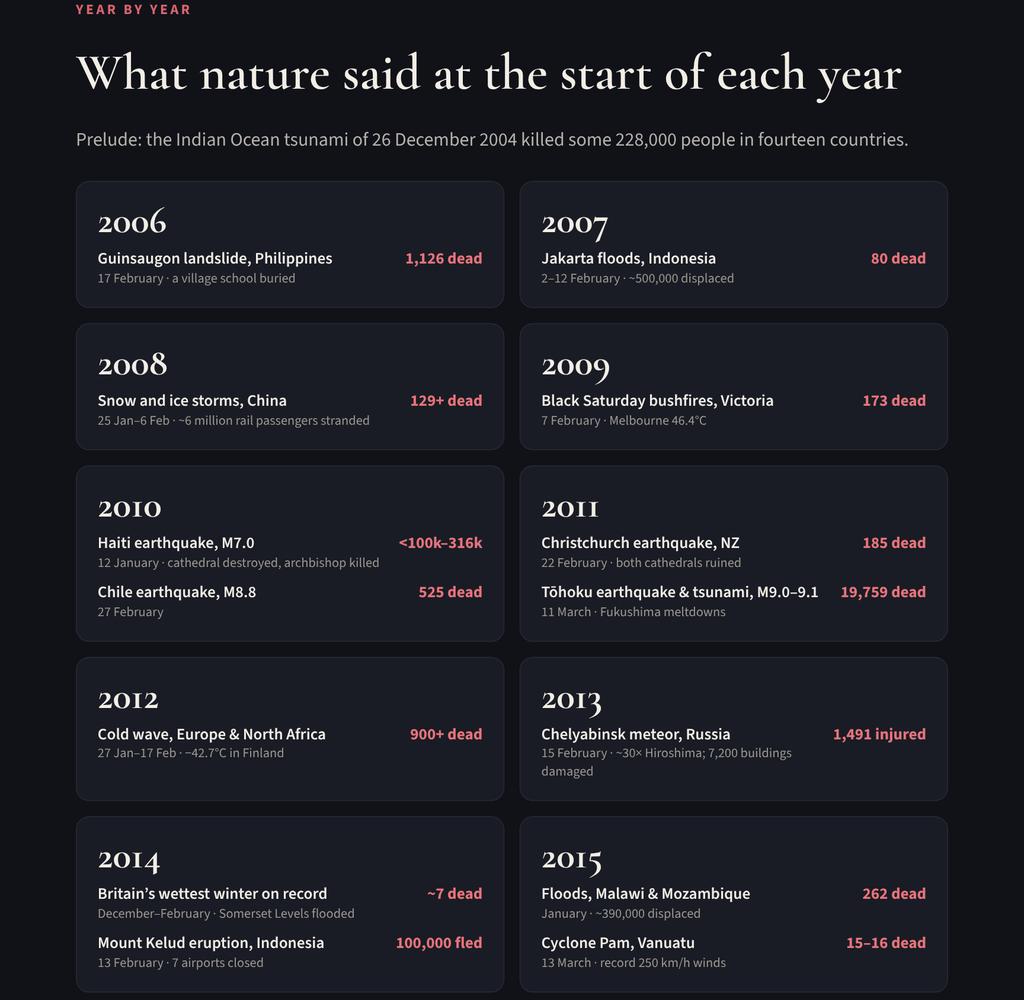
What did nature say at the start of each year from 2006 to 2015?
The survey properly begins on the threshold of the period. On 26 December 2004 the Indian Ocean earthquake and tsunami killed some 228,000 people across fourteen countries (“2004 Indian Ocean earthquake and tsunami,” n.d.), the very event Bucchianeri first linked to Marie-Julie’s words. What followed, year after year, was a pattern of early-year calamity that is difficult to ignore.
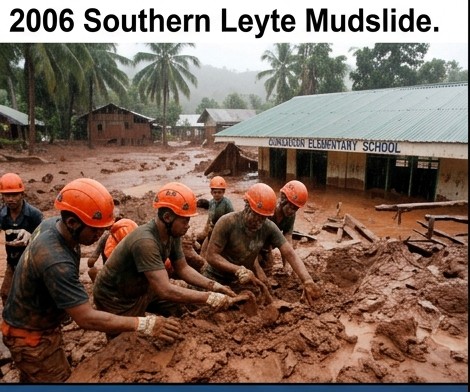
2006. On 17 February a rain-soaked mountainside collapsed onto the village of Guinsaugon in Southern Leyte, the Philippines. The official death toll reached 1,126. Most heartbreaking was the village elementary school, where 246 pupils and seven teachers were in class when the debris struck; only one child and one adult were rescued immediately (“2006 Southern Leyte mudslide,” n.d.).
2007. Between 2 and 12 February, the worst floods in living memory submerged Jakarta. Some 80 people died, around half a million were driven from their homes, and more than 70,000 houses were inundated across eighty districts of the Indonesian capital (“2007 Jakarta flood,” n.d.).
2008. From 25 January to 6 February, snow and ice storms paralysed sixteen provinces of southern and central China at the height of the Lunar New Year migration. At least 129 people died, nearly six million rail passengers were stranded, 223,000 homes were destroyed and losses exceeded US$21 billion (“2008 Chinese winter storms,” n.d.).
2009. On 7 February, Australia’s “Black Saturday,” Melbourne recorded 46.4°C and as many as 400 fires broke out across Victoria. The bushfires killed 173 people, destroyed more than 2,000 homes and burned 450,000 hectares, making them the deadliest in the nation’s history (“Black Saturday bushfires,” n.d.).
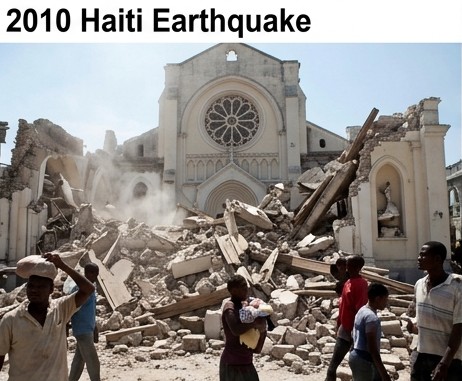
2010. The year opened with catastrophe. On 12 January a magnitude 7.0 earthquake struck Port-au-Prince, Haiti. Estimates of the dead range from under 100,000 to the Haitian government’s figure of more than 300,000, with some three million people affected. Among the dead was Archbishop Joseph Serge Miot of Port-au-Prince, and the city’s cathedral was left in ruins (“2010 Haiti earthquake,” n.d.). Six weeks later, on 27 February, a magnitude 8.8 earthquake and tsunami struck central Chile, killing 525 people and damaging some 370,000 homes (“2010 Chile earthquake,” n.d.).
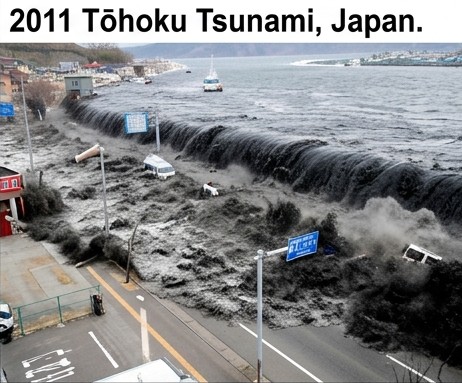
2011. Few years have begun so violently. Floods swept Queensland through January; on 22 February a shallow magnitude 6.2 earthquake killed 185 people in Christchurch, New Zealand, toppling the spire of the Anglican cathedral and so weakening the Catholic Cathedral of the Blessed Sacrament that it was eventually demolished (“2011 Christchurch earthquake,” n.d.). Then, on 11 March, a magnitude 9.0–9.1 earthquake off Tōhoku, Japan, unleashed a tsunami that reached 40 metres. It killed 19,759 people, left 2,553 missing, triggered meltdowns in three reactors at Fukushima Daiichi, and became the costliest natural disaster in recorded history (“2011 Tōhoku earthquake and tsunami,” n.d.).
2012. From 27 January to 17 February a ferocious cold wave gripped Europe and North Africa. Temperatures fell to −42.7°C in Finland, and more than 900 people died, 151 of them in Ukraine alone (“Early 2012 European cold wave,” n.d.).
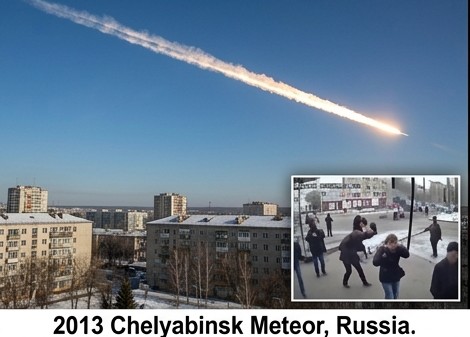
2013. On 15 February a sign appeared quite literally from the heavens. An asteroid of about 18 metres exploded above Chelyabinsk, Russia, with the force of 400 to 500 kilotonnes of TNT, roughly thirty times the Hiroshima bomb. Its shock wave damaged more than 7,200 buildings and injured 1,490001 people, mostly from shattered glass. No one had seen it coming, because it approached out of the glare of the sun (“Chelyabinsk meteor,” n.d.).0
2014. Britain endured what local authorities described as its wettest winter since records began in 1766, with the Somerset Levels under water from December to late February (“2013–14 United Kingdom winter floods,” n.d.). In Indonesia, Mount Kelud erupted on 13 February; some 100,000 people fled, three died and seven airports closed under the ash (CNN, 2014).
2015. In January, torrential rains in south-east Africa killed 176 people in Malawi and 86 in Mozambique, displacing nearly 400,000 and costing Malawi around a tenth of its GDP (“2015 Southeast Africa floods,” n.d.). On 13 March, Cyclone Pam tore across Vanuatu with record ten-minute winds of 250 km/h, devastating the island nation (“Cyclone Pam,” n.d.).
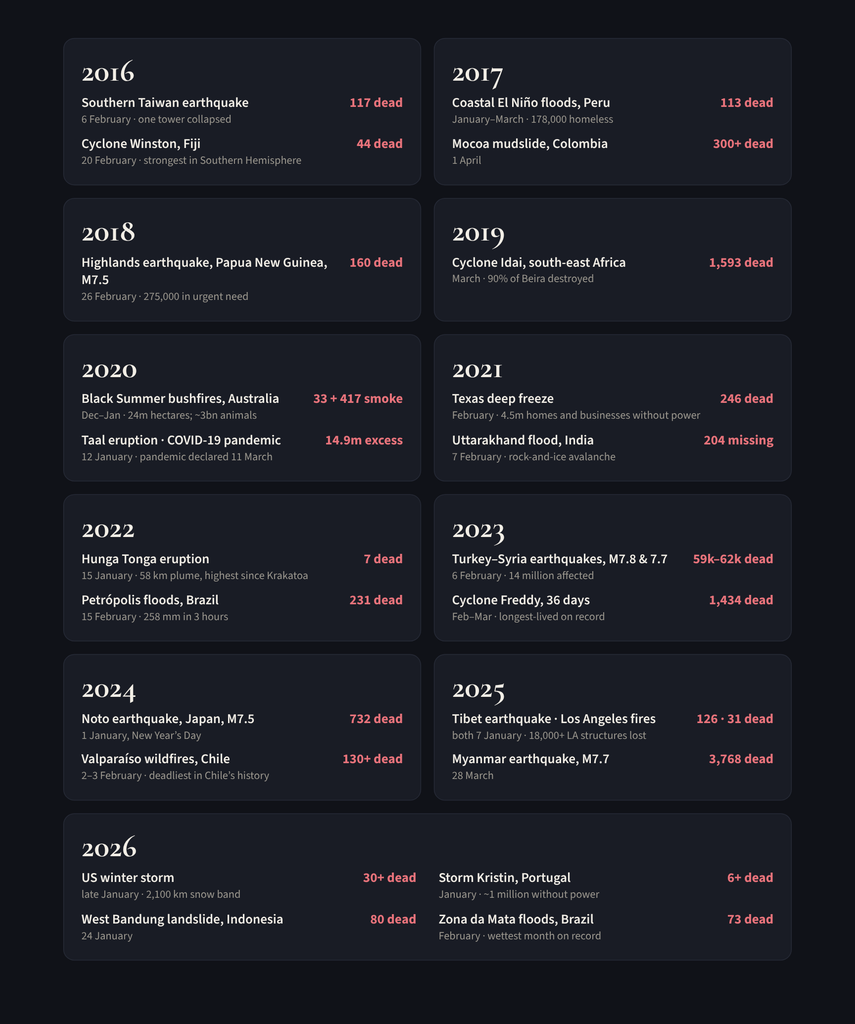
What has nature said from 2016 to 2026?
2016. On 6 February a magnitude 6.4 earthquake struck southern Taiwan, killing 117 people, 115 of them in the collapse of a single apartment tower in Tainan whose walls were later found stuffed with cooking-oil tins (“2016 southern Taiwan earthquake,” n.d.). Two weeks later, on 20 February, Cyclone Winston made landfall in Fiji with sustained winds of 280 km/h, the most intense storm ever recorded in the Southern Hemisphere. It killed 44 people and damaged or destroyed some 40,000 homes (“Cyclone Winston,” n.d.).
2017. A sudden warming of the Pacific off South America, the so-called coastal El Niño, brought rains five to six times above normal to the deserts of Peru and Ecuador. Peaking from January to March, the floods killed 113 Peruvians, left 178,000 homeless and affected over a million. In the early hours of 1 April, the same rains sent a torrent of mud and boulders through Mocoa, Colombia, killing more than 300 (“2016–17 South American floods,” n.d.; “2017 Mocoa landslide,” n.d.).
2018. On 26 February a magnitude 7.5 earthquake struck the remote highlands of Papua New Guinea. The main shock killed 160 people and aftershocks claimed dozens more; within weeks UNICEF reported 275,000 people in need of urgent help (“2018 Papua New Guinea earthquake,” n.d.).
2019. In mid-March Cyclone Idai made landfall near Beira, Mozambique, where the Red Cross reported that 90 per cent of the city was “totally destroyed.” It killed 1,593 people across Mozambique, Zimbabwe, Malawi and Madagascar and affected more than three million, making it one of the deadliest storms ever recorded in the Southern Hemisphere (“Cyclone Idai,” n.d.).
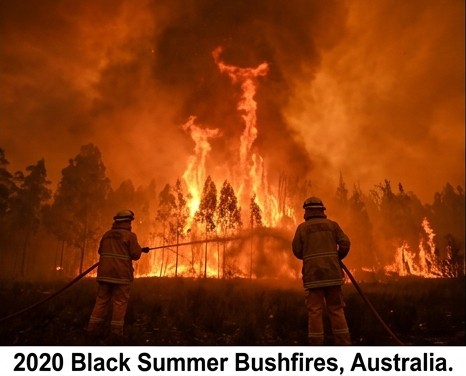
2020. Australia’s “Black Summer” reached its peak over the New Year. Fires burned some 24 million hectares, killed 33 people directly and 417 more through smoke, destroyed over 3,000 homes, and killed or displaced an estimated three billion animals (“2019–20 Australian bushfire season,” n.d.). On 12 January the Taal volcano near Manila erupted, forcing evacuations from towns around its lake (Arab News, 2020).
2024. The year began, quite literally, with a warning. At 4:10 pm on New Year’s Day a magnitude 7.5 earthquake struck Japan’s Noto Peninsula, raising a tsunami that ran up to 11.3 metres. It caused 228 direct deaths and 504 disaster-related deaths, and damaged nearly 205,000 buildings (“2024 Noto earthquake,” n.d.). On 2–3 February wildfires swept the hills of Viña del Mar and Quilpué in Chile, killing more than 130 people, the deadliest fires in that nation’s history (“2024 Chile wildfires,” n.d.).
2021. In mid-February, a deep freeze plunged Texas into darkness. More than 4.5 million homes and businesses lost power, 246 deaths were officially confirmed, and damage reached at least US$26.5 billion (“2021 Texas power crisis,” n.d.). On 7 February a mass of rock and glacier ice broke from a Himalayan peak in Uttarakhand, India, sweeping away a dam and a hydroelectric plant; 204 people were missing, most of them workers (“2021 Uttarakhand flood,” n.d.).
2022. On 15 January the undersea volcano Hunga Tonga–Hunga Haʻapai exploded with a force NASA judged hundreds of times greater than the Hiroshima bomb. Its column climbed 58 km into the mesosphere, the highest since Krakatoa, and its tsunami crossed the Pacific (“2022 Hunga Tonga–Hunga Haʻapai eruption and tsunami,” n.d.). A month later, on 15 February, 258 mm of rain fell in three hours on Petrópolis, Brazil, killing 231 people (“2022 Petrópolis floods,” n.d.). From late February, eastern Australia flooded; the Wilsons River at Lismore peaked two metres above its previous record (“2022 eastern Australia floods,” n.d.).
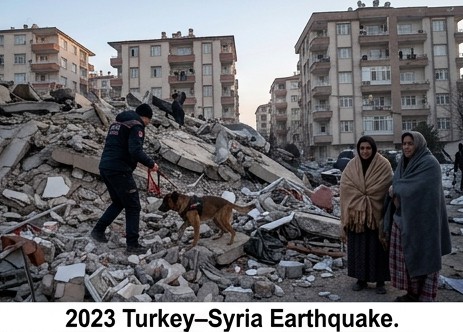
2023. Before dawn on 6 February, a magnitude 7.8 earthquake, followed hours later by a magnitude 7.7, struck south-eastern Turkey and northern Syria. Between 59,000 and 62,000 people died, some 14 million were affected, and damage exceeded US$157 billion, including some 9 per cent of Turkey’s GDP (“2023 Turkey–Syria earthquakes,” n.d.). At the same time, Cyclone Freddy was crossing the Indian Ocean on a 36-day journey, the longest-lived tropical cyclone ever recorded. It struck Madagascar and Mozambique twice and killed at least 1,434 people, 1,216 of them in Malawi (“Cyclone Freddy,” n.d.).
2025. On 7 January a magnitude 6.8 earthquake struck Dingri county in Tibet near Mount Everest, killing at least 126 people (Associated Press, 2025). That same day hurricane-force winds drove the Palisades and Eaton fires into Los Angeles. They killed 31 people, destroyed or damaged more than 18,000 structures, forced over 200,000 to evacuate, and caused an estimated US$250–275 billion in economic loss (“January 2025 Southern California wildfires,” n.d.). On 28 March a magnitude 7.7 earthquake struck near Mandalay, Myanmar, killing 3,768 people and leaving 6.3 million in urgent need (ReliefWeb, 2025).
2026. This year’s warnings were real but comparatively restrained. Late January brought a 2,100-kilometre band of snow and ice across the United States that left at least 30 dead (Associated Press, 2026). In Portugal, Storm Kristin struck with winds of up to 202 km/h, left about a million people without power and killed at least six; Pope Leo XIV sent a telegram entrusting the victims to Our Lady of Fátima (Vatican News, 2026). On 24 January a rain-triggered landslide in West Bandung, Indonesia, killed 80 people (“2026 West Bandung landslide,” n.d.), and in February record rains in Minas Gerais, Brazil, killed 73 (“2026 Zona da Mata floods,” n.d.). Notably, the reinsurer Munich Re reported that global disaster losses in the first half of 2026 fell below both the ten-year and five-year averages (Munich Re, 2026).
What does the record show?
The record is striking. In every one of the twenty-one years surveyed, nature struck hard somewhere on earth between late December and the end of March. Several of the defining catastrophes of the century fell in that window: the Haiti earthquake of 2010, the Tōhoku earthquake and tsunami of 2011, and the Turkey–Syria earthquakes of 2023.
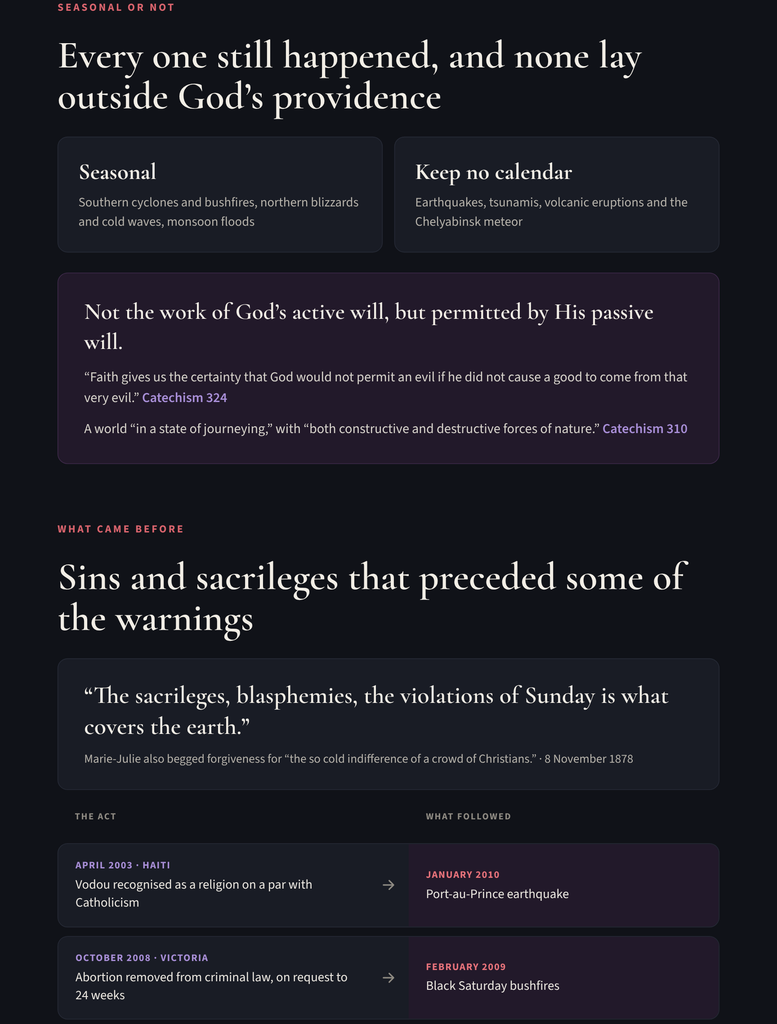
Some of these events could be described as seasonal. The first months of the year bring the height of the cyclone and bushfire season in the Southern Hemisphere and the depth of winter in the north, so floods in Africa, fires in Australia and blizzards in North America are, in one sense, to be expected. Others, such as earthquakes, volcanic eruptions and the Chelyabinsk meteor, keep no calendar at all.
Yet seasonal or not, every one of these disasters still occurred, and none of them lay outside the providence of God. The Church teaches that God freely willed to create a world “in a state of journeying” towards its ultimate perfection, a world that includes “both constructive and destructive forces of nature” (Catholic Church, 2000, para. 310). Such events are not the work of God’s active will, as though He desired the suffering they bring; they are permitted by His passive, or permissive, will. As the Catechism explains, “Faith gives us the certainty that God would not permit an evil if he did not cause a good to come from that very evil, by ways that we shall know fully only in eternal life” (Catholic Church, 2000, para. 324). A season may explain when a storm is likely to come. It does not explain why God allows it, nor what He may be saying to us through it.
What sins and sacrileges came before some of these warnings?
Marie-Julie was in no doubt about what provokes the justice of God. In her ecstasy of Friday, 8 November 1878, she offered her sufferings “to make amends for all the sacrileges on earth,” and begged Our Lord “to forgive the sacrileges, to forgive the blasphemies, and the violations of the law on Sunday, to forgive the so cold indifference of a crowd of Christians.” Turning her gaze to the world, she lamented: “There is no more respect for God or his ministers on earth. The sacrileges, blasphemies, the violations of Sunday is what covers the earth” (Bucchianeri, 2011, pp. 186, 189).
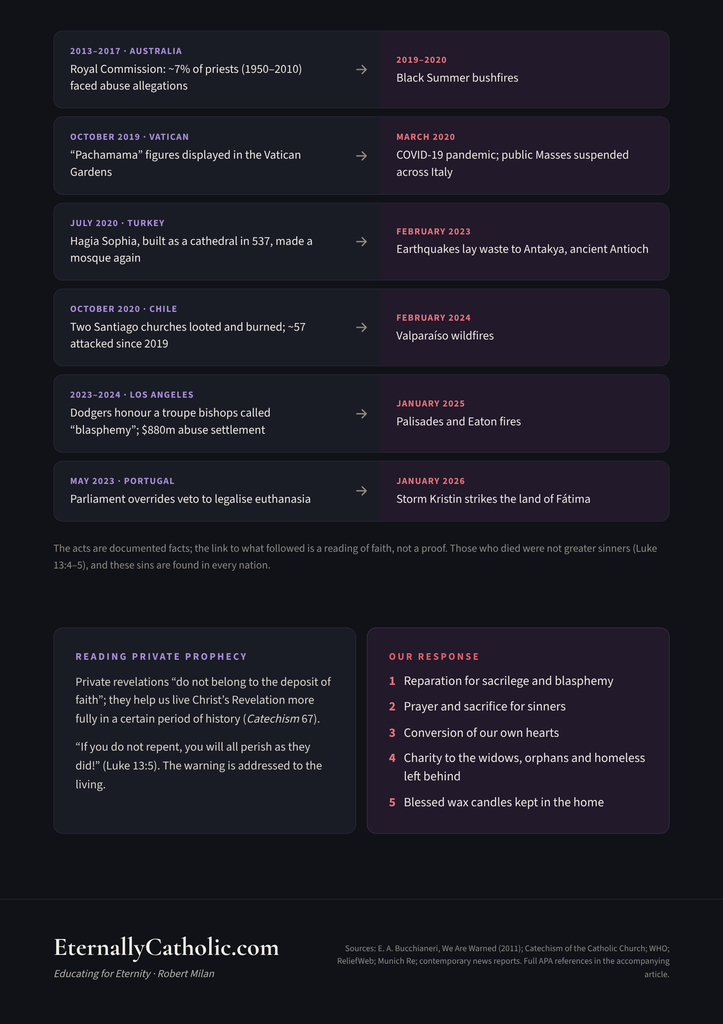
Catholics who read the early-year disasters as warnings point out that in several of the places struck, the calamity followed public acts of the very kind she named: the honouring of other gods, attacks on churches, mockery of the sacred, laws against innocent life, and grave scandal within the Church herself. The examples below are documented facts. The connection drawn between them and the disasters that followed is a reading of faith, not a claim that can be proven, and it does not mean that those who died were greater sinners than anyone else.
Haiti. In April 2003 President Jean-Bertrand Aristide officially recognised Vodou as a religion on a par with Catholicism, allowing its ceremonies, including marriages, to carry legal standing for the first time (Pluralism Project, 2003). Less than seven years later, the earthquake of January 2010 levelled Port-au-Prince, brought down its cathedral and killed its archbishop.
Victoria and Australia. On 22 October 2008 Victoria’s Abortion Law Reform Act received assent, removing abortion from the criminal law and permitting it on request up to 24 weeks and, with a second doctor’s agreement, beyond (“Abortion Law Reform Act 2008,” n.d.). Three and a half months later, Black Saturday became the deadliest bushfire in the nation’s history. Across Australia, the Royal Commission into Institutional Responses to Child Sexual Abuse sat from 2013 to December 2017 and found that about 7 per cent of Catholic priests who served between 1950 and 2010 had been the subject of abuse allegations, with bishops too often moving offenders rather than reporting them (“Royal Commission into Institutional Responses to Child Sexual Abuse,” n.d.). The Black Summer fires came two years after its final report.
The Pachamama affair. On 4 October 2019, during the Amazon Synod, carved wooden figures from the Amazon were displayed at a ceremony in the Vatican Gardens. When they were later thrown into the Tiber, Pope Francis apologised and himself referred to them as “Pachamama,” the name of an Andean earth-mother goddess. Vatican officials denied any idolatrous intent, but many Catholics saw the episode as idolatry in the heart of the Church (Catholic News Agency, 2019). Within months came the peak of Australia’s Black Summer, the Taal eruption and the opening of a new decade.
The COVID-19 pandemic. In the first weeks of 2020 a new coronavirus spread out of Wuhan, China, and on 11 March the World Health Organization declared COVID-19 a pandemic, with more than 118,000 cases already reported in 114 countries (Ghebreyesus, 2020). The WHO later estimated that 14.9 million excess deaths were associated with the pandemic in 2020 and 2021 alone (World Health Organization, 2022). For Catholics it carried a particular sorrow. On 8 March 2020 the Italian bishops suspended all public Masses throughout Italy, calling it “a very restrictive step, the acceptance of which causes suffering and difficulty for pastors, priests and the faithful” (Arocho Esteves, 2020). Similar suspensions followed across much of the Catholic world, and in many places Holy Week and Easter were kept behind locked church doors. On 27 March Pope Francis prayed alone in a rain-soaked and empty St Peter’s Square (Vatican News, 2025). Barely five months after the Pachamama figures were displayed in the Vatican Gardens, the faithful of Rome were kept from the altar in their own city.
Chile. From October 2019 around 57 churches and religious buildings in Chile were attacked. On 18 October 2020, crowds in Santiago looted and burned the Church of the Assumption and St Francis Borgia Church until their bell towers and roofs collapsed (EWTN News, 2020). In February 2024 the deadliest fires in Chile’s history swept the Valparaíso region.
Turkey. On 10 July 2020 Turkey turned Hagia Sophia, built as a Christian cathedral in 537 and a museum since 1934, back into a mosque (Al Jazeera, 2020). In February 2023 the earthquakes laid waste to Antakya, ancient Antioch, where “the disciples were first called Christians” (Acts 11:26). Mosques fell there alongside an Orthodox and a Protestant church, while the small Catholic parish of Saints Peter and Paul survived and opened its doors to the homeless (Agenzia Fides, 2023).
Los Angeles. In June 2023 the Los Angeles Dodgers honoured the Sisters of Perpetual Indulgence, a drag troupe that mocks consecrated religious women. Archbishop José Gomez, Archbishop Timothy Broglio and Cardinal Timothy Dolan called it “blasphemy” and asked Catholics to pray the Litany of the Sacred Heart in reparation (Zimmermann, 2023). In October 2024 the Archdiocese of Los Angeles agreed to pay US$880 million over 1,353 claims of child sexual abuse, adding to $660 million paid in 2007 (Ables, 2024). Less than three months later, the city burned.
Portugal. On 12 May 2023 Portugal’s parliament overrode the president’s veto to legalise euthanasia (Reuters, 2023). In January 2026 Storm Kristin tore across central Portugal, the land of Fátima.
None of this is confined to the places that suffered. Abortion, blasphemy, contempt for Sunday and scandal among the clergy are found in every nation, including many that were spared, and that is exactly Marie-Julie’s point: these sins “cover the earth.” If God allows nature to strike some places as a warning, the warning is addressed to all. The fitting response is the one she modelled herself, which is reparation, prayer for sinners and the conversion of our own hearts.
How should a Catholic read private prophecy?
The Church gives clear guidance. The Catechism teaches that private revelations “do not belong to the deposit of faith” and that their role is not to complete Christ’s definitive Revelation “but to help live more fully by it in a certain period of history” (Catholic Church, 2000, para. 67). The Dicastery for the Doctrine of the Faith’s 2024 norms add that even where the Church approves a devotion, “the faithful are not obliged to give an assent of faith” to the phenomena behind it (Dicastery for the Doctrine of the Faith, 2024).
Marie-Julie’s own story bears this out. Bishop Fournier of Nantes believed her gifts were from God and wrote in 1875, “I see nothing but good, edifying and in conformity with the principles of spirituality.” After his death in 1877, however, the diocesan chapter deprived her of the sacraments, a ban the Holy See lifted only after an inquiry ordered by Pope Leo XIII (Bucchianeri, 2011, pp. 9, 17–18). Her prophecies have never received a formal declaration of supernatural origin, and Catholics are free to weigh them with reverent caution.
Scripture, meanwhile, needs no private revelation to tell us that “there will be powerful earthquakes, famines, and plagues from place to place; and awesome sights and mighty signs will come from the sky” (Luke 21:11, New American Bible, Revised Edition). Our Lord also warns against reading individual disasters as verdicts on their victims. Of the eighteen killed by the tower at Siloam he asked, “Do you think they were more guilty than everyone else?” and answered, “But I tell you, if you do not repent, you will all perish as they did!” (Luke 13:4–5). The warning, in other words, is addressed to the living. The Catechism adds that a sound Christian attitude toward the future consists in “putting oneself confidently into the hands of Providence” and “giving up all unhealthy curiosity about it” (Catholic Church, 2000, para. 2115).
What, then, should we do with these warnings?
Whether or not one accepts Marie-Julie Jahenny’s words as heavenly in origin, the last twenty years have delivered a sobering lesson at the opening of almost every year: the earth is not ours to command, and life can be taken in an afternoon. Japan’s tsunami crossed sea walls built to stop it, a meteor arrived unseen out of the sun, and a New Year’s holiday in Noto ended in ruins. None of this was predictable in its details, and that is precisely its message.
The response Marie-Julie urged was never panic. It was conversion, prayer and sacrifice offered for sinners, together with simple acts of trust, such as keeping blessed candles in the home against the days of darkness she described. To that the Gospel adds the duty of charity, since every disaster in this survey left behind widows, orphans and the homeless who still need our help. Read in that spirit, the warnings of nature, whether at the beginning of the year or at any other time, are less a timetable for the end than an invitation to live as though we might be called home at any hour.
How does it all look at a glance?
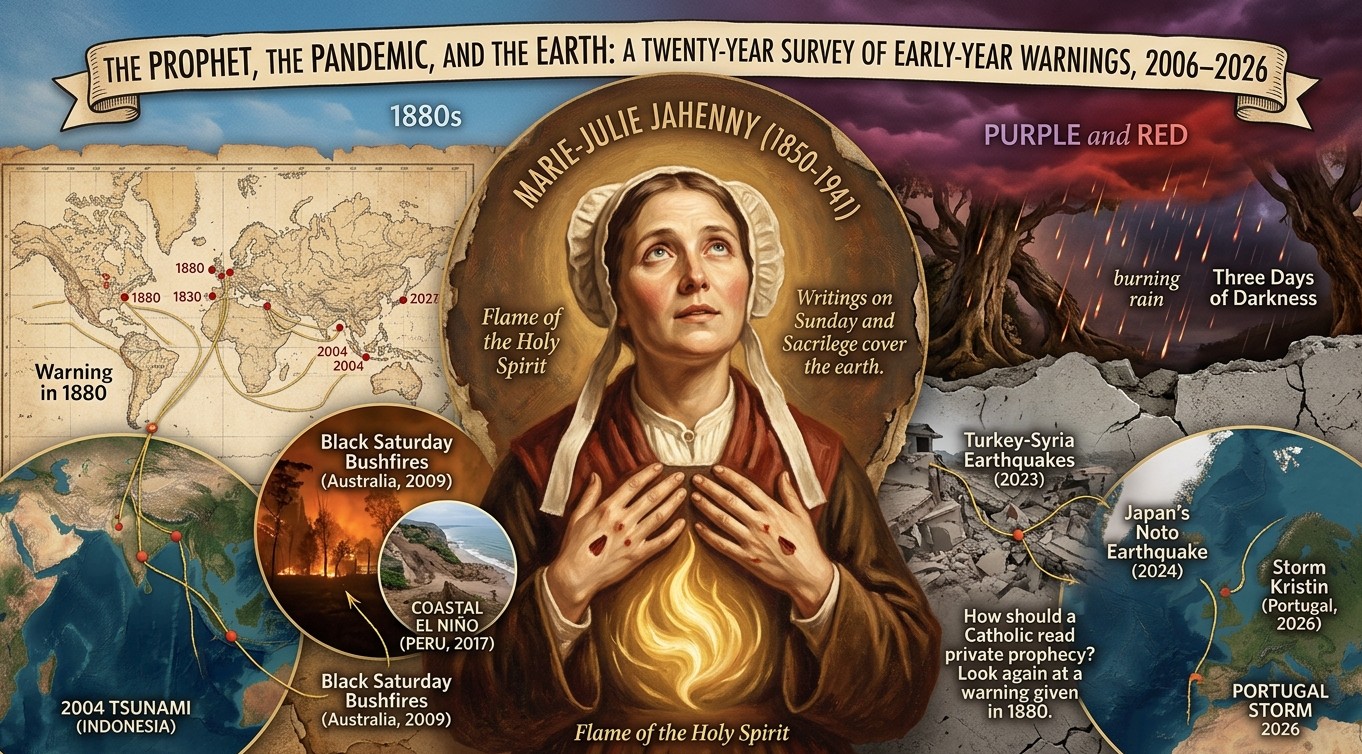
The infographic below gathers the whole article onto one page: the prophecy and its sequence, the disasters of each year from 2006 to 2026, the seasonal and the unseasonal alike under God’s permissive will, the sins and sacrileges that preceded some of them, and the response Marie-Julie urged.
References
2004 Indian Ocean earthquake and tsunami. (n.d.). In Wikipedia. Retrieved October 7, 2026, from https://en.wikipedia.org/wiki/2004_Indian_Ocean_earthquake_and_tsunami
2006 Southern Leyte mudslide. (n.d.). In Wikipedia. Retrieved October 7, 2026, from https://en.wikipedia.org/wiki/2006_Southern_Leyte_mudslide
2007 Jakarta flood. (n.d.). In Wikipedia. Retrieved October 7, 2026, from https://en.wikipedia.org/wiki/2007_Jakarta_flood
2008 Chinese winter storms. (n.d.). In Wikipedia. Retrieved October 7, 2026, from https://en.wikipedia.org/wiki/2008_Chinese_winter_storms
2010 Chile earthquake. (n.d.). In Wikipedia. Retrieved October 7, 2026, from https://en.wikipedia.org/wiki/2010_Chile_earthquake
2010 Haiti earthquake. (n.d.). In Wikipedia. Retrieved October 7, 2026, from https://en.wikipedia.org/wiki/2010_Haiti_earthquake
2011 Christchurch earthquake. (n.d.). In Wikipedia. Retrieved October 7, 2026, from https://en.wikipedia.org/wiki/2011_Christchurch_earthquake
2011 Tōhoku earthquake and tsunami. (n.d.). In Wikipedia. Retrieved October 7, 2026, from https://en.wikipedia.org/wiki/2011_T%C5%8Dhoku_earthquake_and_tsunami
2013–14 United Kingdom winter floods. (n.d.). In Wikipedia. Retrieved October 7, 2026, from https://en.wikipedia.org/wiki/2013%E2%80%9314_United_Kingdom_winter_floods
2015 Southeast Africa floods. (n.d.). In Wikipedia. Retrieved October 7, 2026, from https://en.wikipedia.org/wiki/2015_Malawi_floods
2016 southern Taiwan earthquake. (n.d.). In Wikipedia. Retrieved October 7, 2026, from https://en.wikipedia.org/wiki/2016_southern_Taiwan_earthquake
2016–17 South American floods. (n.d.). In Wikipedia. Retrieved October 7, 2026, from https://en.wikipedia.org/wiki/2017_Peru_floods
2017 Mocoa landslide. (n.d.). In Wikipedia. Retrieved October 7, 2026, from https://en.wikipedia.org/wiki/2017_Mocoa_landslide
2018 Papua New Guinea earthquake. (n.d.). In Wikipedia. Retrieved October 7, 2026, from https://en.wikipedia.org/wiki/2018_Papua_New_Guinea_earthquake
2019–20 Australian bushfire season. (n.d.). In Wikipedia. Retrieved October 7, 2026, from https://en.wikipedia.org/wiki/2019%E2%80%9320_Australian_bushfire_season
2021 Texas power crisis. (n.d.). In Wikipedia. Retrieved October 7, 2026, from https://en.wikipedia.org/wiki/2021_Texas_power_crisis
2021 Uttarakhand flood. (n.d.). In Wikipedia. Retrieved October 7, 2026, from https://en.wikipedia.org/wiki/2021_Uttarakhand_flood
2022 eastern Australia floods. (n.d.). In Wikipedia. Retrieved October 7, 2026, from https://en.wikipedia.org/wiki/2022_eastern_Australia_floods
2022 Hunga Tonga–Hunga Haʻapai eruption and tsunami. (n.d.). In Wikipedia. Retrieved October 7, 2026, from https://en.wikipedia.org/wiki/2022_Hunga_Tonga%E2%80%93Hunga_Ha%CA%BBapai_eruption_and_tsunami
2022 Petrópolis floods. (n.d.). In Wikipedia. Retrieved October 7, 2026, from https://en.wikipedia.org/wiki/2022_Petr%C3%B3polis_floods
2023 Turkey–Syria earthquakes. (n.d.). In Wikipedia. Retrieved October 7, 2026, from https://en.wikipedia.org/wiki/2023_Turkey%E2%80%93Syria_earthquakes
2024 Chile wildfires. (n.d.). In Wikipedia. Retrieved October 7, 2026, from https://en.wikipedia.org/wiki/2024_Chile_wildfires
2024 Noto earthquake. (n.d.). In Wikipedia. Retrieved October 7, 2026, from https://en.wikipedia.org/wiki/2024_Noto_earthquake
2026 West Bandung landslide. (n.d.). In Wikipedia. Retrieved October 7, 2026, from https://en.wikipedia.org/wiki/2026_West_Bandung_landslide
2026 Zona da Mata floods. (n.d.). In Wikipedia. Retrieved October 7, 2026, from https://en.wikipedia.org/wiki/2026_Zona_da_Mata_floods
Ables, K. (2024, October 16). Archdiocese of Los Angeles to pay $880M in sexual abuse settlement. The Washington Post. https://www.bishop-accountability.org/2024/10/archdiocese-of-los-angeles-to-pay-880m/
Abortion Law Reform Act 2008. (n.d.). In Wikipedia. Retrieved October 7, 2026, from https://en.wikipedia.org/wiki/Abortion_Law_Reform_Act_2008
Agenzia Fides. (2023, February 7). Asia/Turkey – Antioch, the earthquake destroys mosques and churches. Catholic parish welcomes displaced people. https://www.fides.org/en/news/73382-ASIA_TURKEY_Antioch_the_earthquake_destroys_mosques_and_churches_Catholic_parish_welcomes_displaced_people
Al Jazeera. (2020, July 10). Turkey reconverts Istanbul’s Hagia Sophia museum into a mosque. https://www.aljazeera.com/features/2020/7/10/turkey-reconverts-istanbuls-hagia-sophia-museum-into-a-mosque
Arab News. (2020, January 12). Taal Volcano forces evacuation of thousands in Philippines. https://www.arabnews.com/node/1611946/world
Arocho Esteves, J. (2020, March 9). Public Masses suspended in Italy as coronavirus continues to spread. The Catholic Sun. Catholic News Service. https://catholicsun.org/2020/03/09/public-masses-suspended-in-italy-as-coronavirus-continues-to-spread
Associated Press. (2025, January 7). At least 126 dead in 6.8 magnitude earthquake in Tibet, Chinese media reports. ABC7 News. https://abc7news.com/post/least-126-dead-scores-injured-68-magnitude-earthquake-holy-city-tibet-chinese-media-reports/15768105/
Associated Press. (2026, January 26). At least 30 people have died from effects of winter storm as more freezing cold pummels the US. Anchorage Daily News. https://www.adn.com/nation-world/2026/01/26/at-least-30-people-have-died-from-effects-of-winter-storm-as-more-freezing-cold-pummels-the-us
Black Saturday bushfires. (n.d.). In Wikipedia. Retrieved October 7, 2026, from https://en.wikipedia.org/wiki/Black_Saturday_bushfires
Bucchianeri, E. A. (Ed. & Trans.). (2011). We are warned: The prophecies of Marie-Julie Jahenny [E-book]. Scribd.
Catholic Church. (2000). Catechism of the Catholic Church (2nd ed.). Libreria Editrice Vaticana.
Catholic News Agency. (2019, October 25). Pope Francis apologizes that Amazon synod ‘Pachamama’ was thrown into Tiber River. National Catholic Register. https://ncregister.com/news/pope-francis-apologizes-that-amazon-synod-pachamama-was-thrown-into-tiber-river
Chelyabinsk meteor. (n.d.). In Wikipedia. Retrieved October 7, 2026, from https://en.wikipedia.org/wiki/Chelyabinsk_meteor
CNN. (2014, February 14). [Report on the eruption of Mount Kelud and evacuations in East Java, Indonesia]. https://edition.cnn.com/2014/02/13/world/asia/indonesia-volcano-eruption-evacuation
Cyclone Freddy. (n.d.). In Wikipedia. Retrieved October 7, 2026, from https://en.wikipedia.org/wiki/Cyclone_Freddy
Cyclone Idai. (n.d.). In Wikipedia. Retrieved October 7, 2026, from https://en.wikipedia.org/wiki/Cyclone_Idai
Cyclone Pam. (n.d.). In Wikipedia. Retrieved October 7, 2026, from https://en.wikipedia.org/wiki/Cyclone_Pam
Cyclone Winston. (n.d.). In Wikipedia. Retrieved October 7, 2026, from https://en.wikipedia.org/wiki/Cyclone_Winston
Dicastery for the Doctrine of the Faith. (2024, May 17). Norms for proceeding in the discernment of alleged supernatural phenomena. Holy See Press Office. https://press.vatican.va/content/salastampa/en/bollettino/pubblico/2024/05/17/240517h.html
Early 2012 European cold wave. (n.d.). In Wikipedia. Retrieved October 7, 2026, from https://en.wikipedia.org/wiki/Early_2012_European_cold_wave
EWTN News. (2020, October 20). After parish in Santiago, Chile destroyed by arson, pastor urges hope. https://www.ewtnnews.com/world/americas/after-parish-in-santiago-chile-destroyed-by-arson-pastor-urges-hope
Ghebreyesus, T. A. (2020, March 11). WHO Director-General’s opening remarks at the media briefing on COVID-19 [Transcript]. American Rhetoric. https://americanrhetoric.com/speeches/tedrosadhanomcoronaviruspresser03-11-20.htm
January 2025 Southern California wildfires. (n.d.). In Wikipedia. Retrieved October 7, 2026, from https://en.wikipedia.org/wiki/January_2025_Southern_California_wildfires
Munich Re. (2026, July 30). Lower losses, growing risks: The disaster review for the first half of 2026. PreventionWeb. https://www.preventionweb.net/news/lower-losses-growing-risks-disaster-review-first-half-2026
New American Bible, revised edition. (2011). United States Conference of Catholic Bishops. https://bible.usccb.org/
Pluralism Project. (2003, April 30). Voodoo officially recognized as a religion by government [Summary of BBC News report]. Harvard University. https://pluralism.org/news/voodoo-officially-recognized-religion-government
ReliefWeb. (2025). Myanmar: Earthquake – Mar 2025. United Nations Office for the Coordination of Humanitarian Affairs. https://reliefweb.int/disaster/eq-2025-000043-mmr
Reuters. (2023, May 19). In Portugal, president enacts euthanasia bill after parliament overrides final veto. ConstitutionNet. https://constitutionnet.org/news/portugal-president-enacts-euthanasia-bill-after-parliament-overrides-final-veto
Royal Commission into Institutional Responses to Child Sexual Abuse. (n.d.). In Wikipedia. Retrieved October 7, 2026, from https://en.wikipedia.org/wiki/Royal_Commission_into_Institutional_Responses_to_Child_Sexual_Abuse
Vatican News. (2025, March 27). March 27, 2020: Pope prays for world in empty St Peter’s Square. https://www.vaticannews.va/en/pope/news/2025-03/statio-orbis-march-27-2020-pope-francis-urbi-et-orbi.html
Vatican News. (2026, January 31). [Pope Leo XIV’s telegram of condolence to the victims of Storm Kristin in Portugal]. https://www.vaticannews.va/en/pope/news/2026-01/pope-leo-xiv-telegram-storm-kristin-portugal-solidarity.html
World Health Organization. (2022, May 5). 14.9 million excess deaths associated with the COVID-19 pandemic in 2020 and 2021. https://www.who.int/news/item/05-05-2022-14.9-million-excess-deaths-were-associated-with-the-covid-19-pandemic-in-2020-and-2021
Zimmermann, C. (2023, June 12). Bishops urge Catholics to say prayers of reparation for team’s honoring of anti-Catholic group. The Tablet. https://thetablet.org/bishops-urge-catholics-to-say-prayers-of-reparation-for-teams-honoring-of-anti-catholic-group/