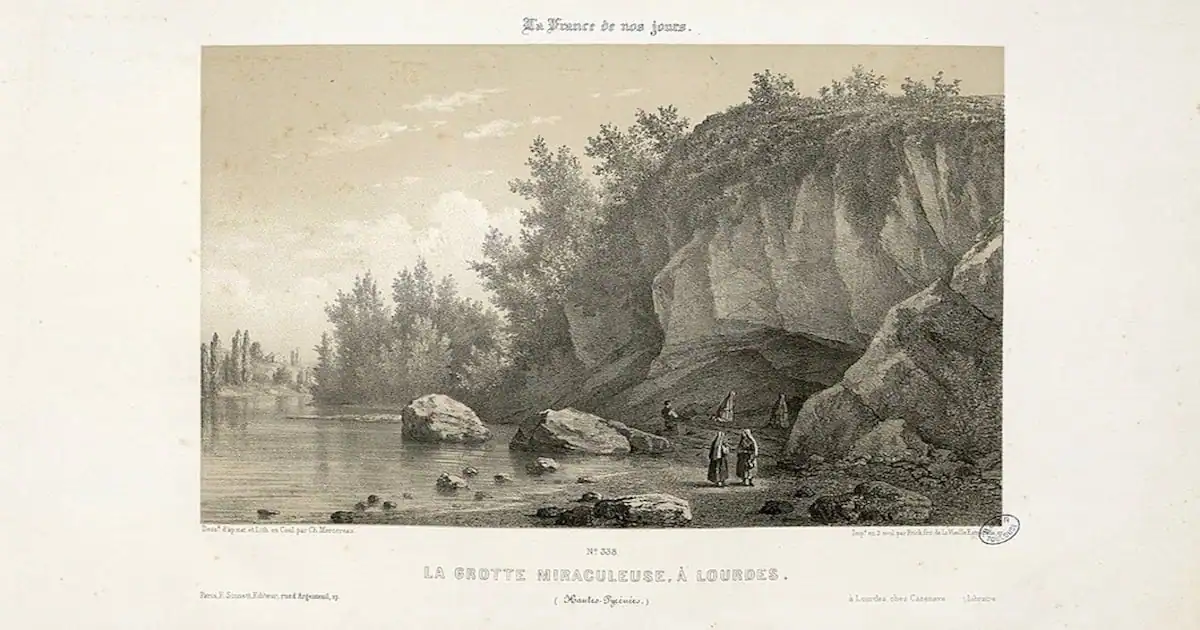
What are the approved miracles at Lourdes?(Part 1 – Miracles 1 to 18)
The sacred waters of Lourdes have been a source of extraordinary healing and divine intervention since 1858. What makes these miracles so compelling is not merely their number—almost 7,000 cures have been documented—but rather the rigorous scrutiny each undergoes before receiving official recognition by the Catholic Church. As of April 2025, only 72 have been declared miraculous, a testament to the Church’s commitment to thorough investigation.
The most recent miracle was announced on the feast day of St. Bernadette Soubirous, 16 April. This 72nd officially recognized miracle involved Antonietta Raco, who suffered from primary lateral sclerosis before experiencing a complete and sudden recovery after immersing herself in the spring waters during her 2009 pilgrimage. Her healing follows the pattern established over more than a century and a half—inexplicable by medical science yet affirmed by the Church after careful examination.
In this first installment of our exploration, I will guide you through the first eighteen of the most remarkable cases from the official records. We shall examine the backgrounds of these individuals, their illnesses, and the extraordinary healings that have withstood the test of both medical and ecclesiastical scrutiny. These stories reveal God’s mercy extending to ordinary people facing extraordinary suffering, transformed through faith and the intercession of Our Lady of Lourdes.
Miracle 1: Catherine Latapie
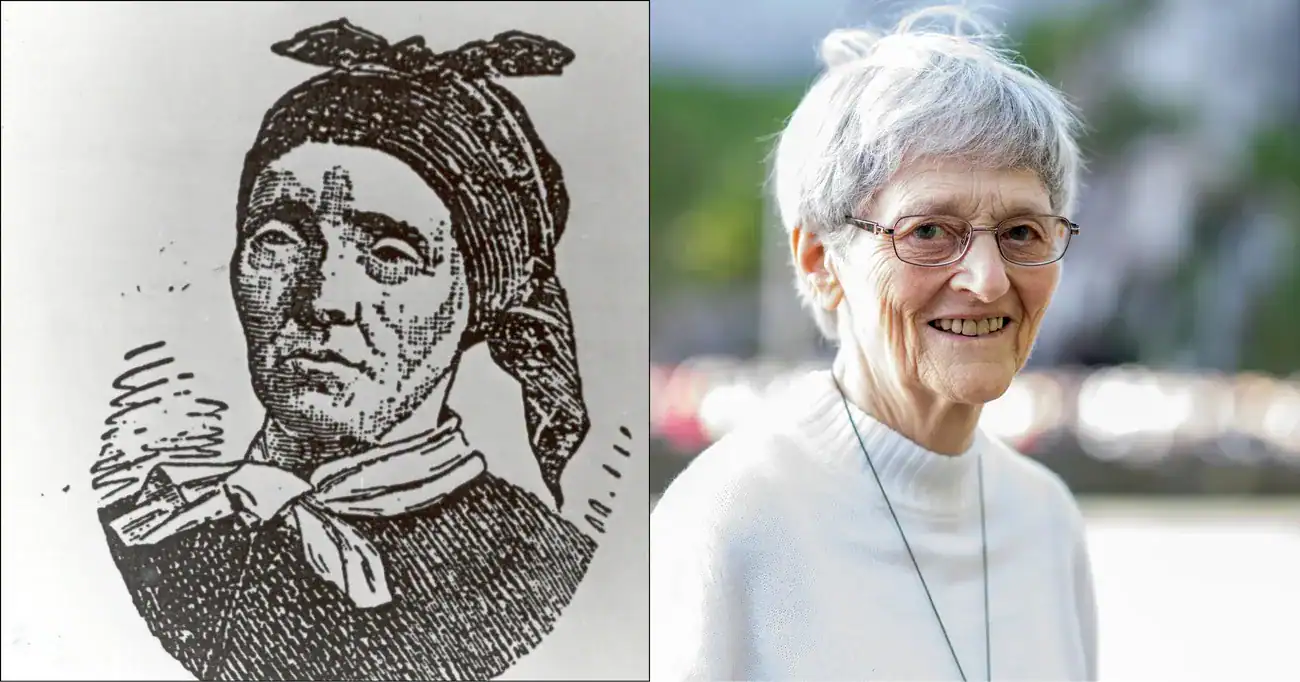
The first documented miracle at Lourdes occurred with Catherine Latapie, a farmer’s wife born in 1820 who lived in Loubajac, a small village just a few kilometers from Lourdes. Her extraordinary healing would establish the pattern for all future confirmed miracles at this sacred site.
Background of Catherine Latapie
Catherine made her home in the rural community of Loubajac near Lourdes, France, where she tended to household duties while raising her young children. When the Blessed Mother’s intervention changed her life forever, she was 38 years old and pregnant with what many accounts identify as her fourth child. Her ordinary life took a dramatic turn following an accident that left her partially disabled for more than a year.
Illness and Diagnosis of Catherine Latapie
In October 1856, Catherine experienced a serious fall from a tree that resulted in a traumatic injury to her right hand. The medical records describe her condition as subluxation of the humerus which, while reducible, caused traumatic stretching of the brachial plexus. This led to ulnar type paralysis, essentially leaving the last two fingers of her right hand permanently flexed toward her palm. For approximately 16 months, Catherine endured this disability that significantly hindered her daily activities.
Pilgrimage and Healing of Catherine Latapie
The mysterious ways of divine providence manifested on the night between February 28th and March 1st, 1858, when Catherine felt a sudden, inexplicable impulse. Responding to this internal call with great faith, she rose at three in the morning, woke her young children, and journeyed on foot to Lourdes. Arriving at dawn, she encountered Bernadette Soubirous at the grotto where the apparitions had been occurring.
After offering her prayers, Catherine simply dipped her paralyzed hand into the small hollow that had collected water from the newly formed spring. Immediately, her fingers regained normal function – she could flex and extend them just as she had before the accident. This shows the immediate and complete nature of divine healing. Following this extraordinary transformation, she quickly returned home and gave birth to her child that same evening.
Medical Validation of Catherine Latapie
Catherine’s cure became the first officially recognized miracle at Lourdes. Professor Vergez, in his medical report to Bishop Laurence of Tarbes, classified her case among cures “presenting a supernatural character.” The Catholic Church officially declared her healing miraculous on January 18, 1862.
What I find particularly moving about Catherine’s story is how her son, born on the very day of her healing, was ordained as a priest in 1882. This remarkable connection between her physical healing and the spiritual vocation of her child points to the deeper purpose behind many miracles at Lourdes France. The Almighty works not only to restore our bodies but also to guide souls toward their divine calling.
Miracle 2: Louis Bouriette
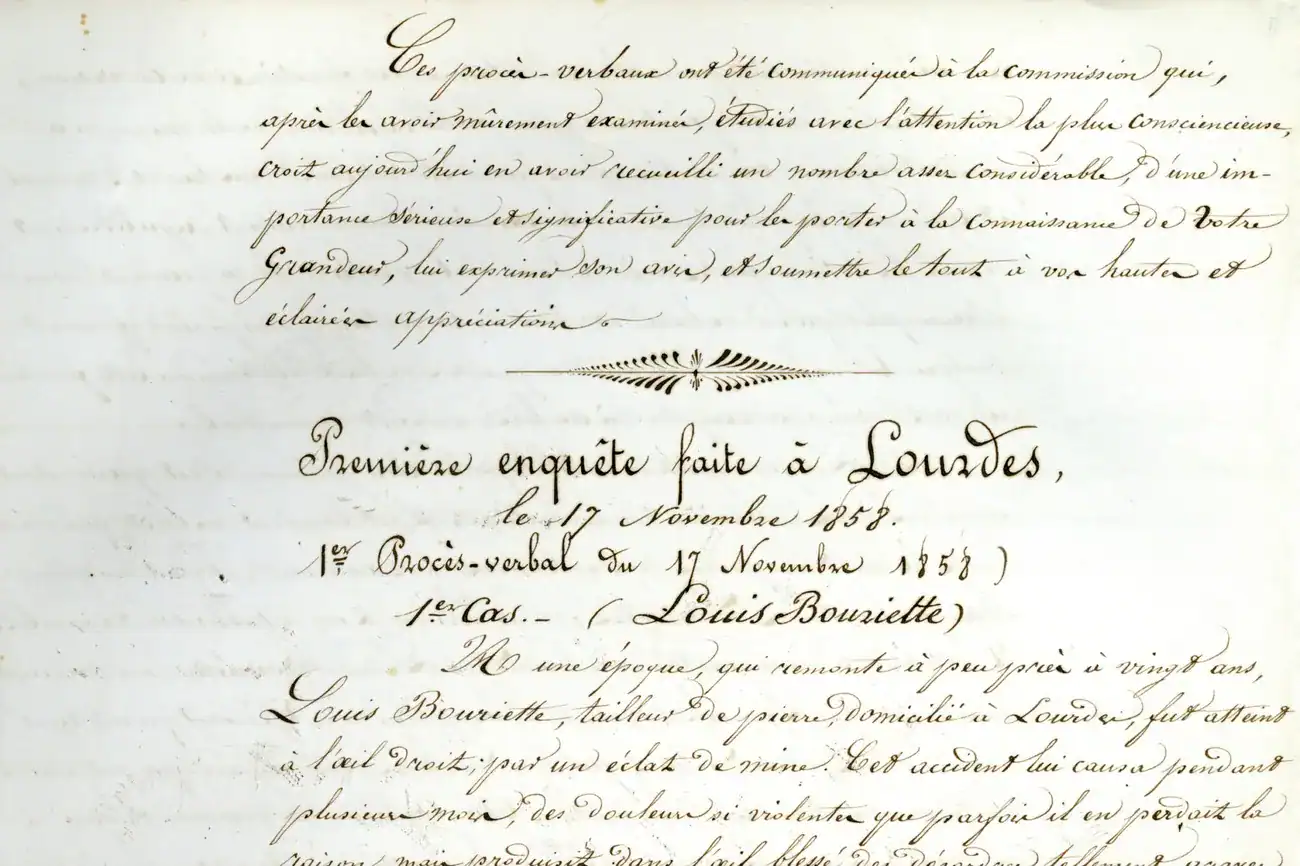
The miraculous healing of Louis Bouriette stands as a powerful testimony to divine intervention through the sacred waters of Lourdes. I find his case particularly striking for its dramatic and instantaneous nature. Born in 1804, this 55-year-old quarryman would become central to the early history of the Lourdes France miracles, establishing a pattern of extraordinary healing that continues to this day.
Background of Louis Bouriette
Louis earned his living as a stonecutter in the marble quarries surrounding Lourdes [3]. His life bore the marks of tremendous hardship and tragedy, particularly after a devastating workplace accident that not only affected his own health but also claimed the life of his brother Joseph [3]. What courage he must have shown to continue living and working in Lourdes despite his disability! It was here that news of Bernadette’s visions and the miraculous spring would eventually reach him, kindling hope where medical science had offered none.
Illness and Diagnosis of Louis Bouriette
For approximately two decades, Louis had lived with complete blindness in his right eye, the result of a terrible mining explosion [1]. The accident had caused such severe damage that medical science of the era considered his condition permanently incurable. As Dr. Dozous, the first medical expert to verify the case, stated: “It is a well known fact, corroborated by science, that whenever an eye is injured by a flying object in an explosion, the shock engendered is always sufficient to lead to incurable blindness” [3][17]. Such injuries, without the benefit of modern surgical techniques, left no possibility of recovery according to the medical understanding of the time.
Pilgrimage and Healing of Louis Bouriette
Upon hearing about the newly discovered spring at the grotto, Louis initially sent his daughter to collect some of this water [1]. When it arrived, he made the sign of the Cross—that powerful gesture of faith—and began applying the water to his affected eye [1]. After bathing his eye repeatedly while fervently praying to “Our Lady of the Grotto,” Louis experienced what can only be described as divine intervention—a complete restoration of sight [3][17]. This remarkable healing occurred in March 1858, within mere weeks of the apparitions beginning [8].
Medical Validation of Louis Bouriette
The authenticity of Louis’s healing is powerfully illustrated by his doctor’s reaction. When informed of the cure, the physician responded with understandable disbelief, challenging Louis to read a handwritten note stating: “Bourriette has an incurable amaurosis and he will never recover” [1]. To the doctor’s astonishment, Louis read it perfectly with his previously blind eye [1].
The Commission of Inquiry established by Bishop Laurence heard testimony from Dr. Dozous in July 1858 [3][17]. This was no casual examination but rather a rigorous investigation by educated men committed to truth. After thorough scrutiny, the Catholic Church officially recognized this healing as the second confirmed miracle at Lourdes on January 18, 1862 [2].
Miracle 3” Blaisette Cazenave
The third officially recognized miracle at Lourdes provides us with striking visual evidence of divine intervention. Blaisette Cazenave’s extraordinary recovery stands as a powerful testament to God’s healing grace manifested through the waters of Lourdes.
Background of Blaisette Cazenave
Born Blaisette Soupène in 1808, this woman was not a pilgrim from distant lands but rather a resident of Lourdes itself [1]. At approximately 50-51 years of age at the time of her cure [1], she experienced the early days of the Lourdes phenomenon from a unique perspective. As a local inhabitant, Blaisette would have witnessed firsthand the growing accounts of Bernadette Soubirous’ visions of the Virgin Mary that began transforming this small French town in early 1858.
Illness and Diagnosis of Blaisette Cazenave
For three years, Blaisette endured a painful and visibly disfiguring eye condition [18]. Medical records identify her affliction as chemosis or chronic conjunctivitis with ectropion [18]. This serious ailment manifested through:
- Chronic infection affecting both conjunctivae and eyelids
- Bilateral ectropion (a condition where eyelids turn outward)
- Scaly, sore eyelids with visible fleshy overgrowths
- Significant pain and inflammation
The gravity of her condition becomes clear when we understand that physicians had declared it incurable after conventional treatments proved entirely ineffective [1]. This demonstrates the extent to which medical science of that era had reached its limits in addressing her suffering.
Pilgrimage and Healing of Blaisette Cazenave
Upon hearing about the spring at the grotto, Blaisette turned to what medicine had deemed impossible. In March 1858, with simple faith, she began applying water from the newly discovered spring as a lotion for her afflicted eyes [1]. What happened next shows the extraordinary nature of divine intervention at Lourdes—after just the second application, she experienced a complete and sudden healing [1].
The transformation was nothing short of miraculous. The scales fell from her eyelids, the fleshy overgrowths vanished completely, and both the pain and inflammation disappeared entirely [31]. Her eyelids returned to their normal position, effectively reversing the ectropion that had so dramatically altered her appearance [1]. This immediate restoration to health defied all medical explanation of the time.
Medical Validation of Blaisette Cazenave
Professor Vergez, examining this remarkable case, documented what he recognized as undeniable evidence of supernatural intervention. His medical report specifically noted that “the supernatural effect was as much evident in this wonderful cure as the physical lesion” [1]. He further emphasized the “complete return to a normal healthy state by a rapid regrowth of the tissues” [1]—a phenomenon that medical science could not explain.
This shows the extent to which God’s healing power manifested in this extraordinary case. On January 18, 1862, Bishop Laurence of Tarbes officially recognized Blaisette’s healing as miraculous, including her case among the first batch of confirmed miracles at Lourdes [14]. Her story remains a powerful testimony to the divine healing available through the intercession of Our Lady of Lourdes.
Miracle 4: Henri Busquet
The fourth confirmed miracle at Lourdes presents us with a moving testament to youthful faith. Henri Busquet’s extraordinary healing demonstrates how the divine power of Lourdes waters extended beyond the physical boundaries of the grotto itself—a clear indication that God’s mercy knows no geographical limitations.
Background of Henri Busquet
Born in 1842 in the town of Nay in the Atlantic Pyrenees region of France, Henri Busquet was merely 16 years old when divine intervention transformed his life in April 1858. The young man had expressed a fervent desire to visit the site where Bernadette had experienced her heavenly visions earlier that same year. His story illustrates how even those unable to make the pilgrimage personally could still receive the blessed healing through faith and prayer.
Illness and Diagnosis of Henri Busquet
For approximately 15 months, Henri had suffered from a progressive illness that began with a fever initially diagnosed as typhoid—though medical evidence suggests it was likely tuberculosis in its early manifestation. As the disease advanced, he developed purulent adenitis, with infected lymph nodes forming in his neck. The infection spread relentlessly to the right side of his chest, prompting his doctor to lance the abscess in hopes of preventing fistula formation.
Despite these medical interventions, Henri’s condition deteriorated severely during his stay at Cauterets. By early 1858, an enormous septic ulcer had formed at the base of his neck, accompanied by multiple inflamed lymph glands in surrounding areas. His prognosis appeared increasingly grave as conventional treatments failed to arrest the progress of his disease.
Pilgrimage and Healing of Henri Busquet
The news of apparitions at Lourdes sparked hope in young Henri’s heart, and he desperately wished to visit the grotto. When his parents refused this request, his faith remained undeterred. With remarkable determination, he asked a neighbor to bring him water from the miraculous spring that had formed at the site of Bernadette’s visions.
On the evening of April 28, 1858, the entire family gathered in prayer—a beautiful testimony to their shared faith. During this prayerful moment, Henri applied a dressing soaked in Lourdes water to his infected neck. After a peaceful night’s sleep, he awoke to discover an astonishing transformation—the ulcer had completely scarred over, the infection had entirely subsided, and the inflamed lymph glands that had plagued him had vanished without trace.
Medical Validation of Henri Busquet
Professor Vergez, examining this extraordinary case, did not hesitate to certify that “This cure is beyond the laws of nature.” The sudden and complete healing showed no relapse—something the medical professionals of the time considered impossible given the severity of Henri’s condition. This healing demonstrated the intervention of divine power that transcends natural law.
The Catholic Church, after careful investigation, officially recognized his cure as the fourth miracle at Lourdes on January 18, 1862. Henri’s name was thus added to the growing list of confirmed miracles that testified to the extraordinary nature of the Lourdes phenomenon—a manifestation of God’s mercy through the intercession of Our Lady.
Miracle 5: Justin Bouhort
The maternal faith that moves mountains manifested powerfully in the story of two-year-old Justin Bouhort, who stands as the youngest recipient of divine healing among the early documented miracles at Lourdes. His remarkable recovery testifies to Our Lady’s special tenderness toward children and to a mother’s unwavering confidence in the face of medical impossibility.
Background of Justin Bouhort
Justin Bouhort was born in Lourdes itself on July 28, 1856, in the very town where Our Lady would later appear to Bernadette Soubirous [1]. From his earliest days, the child faced tremendous health challenges [1]. As residents of Lourdes, his family would have been among the first to hear the extraordinary accounts of the apparitions that began in their hometown in 1858.
Illness and Diagnosis of Justin Bouhort
The medical records describing Justin’s condition are heartbreaking. From birth, physicians characterized him as having a “miserable constitution” [1]. By the time he reached two years of age, the boy showed severe failure to thrive and had never taken his first steps [1]. The doctors diagnosed him with consumption (tuberculosis), severe malnutrition, and intellectual disability [7]. His situation had grown so dire that medical professionals had given him merely “a matter of hours” to live [32]. His parents, especially his mother, watched in anguish as their child’s life appeared to be slipping away [1].
Pilgrimage and Healing of Justin Bouhort
In early July 1858, driven by maternal love and steadfast faith, Justin’s mother carried her dying child to the Grotto, boldly defying official notices that prohibited visits to the site [1]. What happened next demonstrates the extraordinary courage of maternal faith. After a brief prayer, she made a decision that horrified onlookers—she immersed her moribund child in the spring’s frigid waters (50-54°F) for approximately fifteen minutes [33]. The bystanders protested vehemently, convinced she was “killing her child” rather than healing him [1].
When she removed Justin from the icy waters, his tiny body appeared stiff and blue [32]. Yet the mother’s faith never wavered. Upon returning home, she noticed that although extremely weak, he slept peacefully with feeble breathing [1]. What occurred the following morning can only be described as divine intervention—the child who had been at death’s door awoke fully revitalized [32]. In the days that followed, Justin not only recovered completely but also began walking for the first time—accomplishing what doctors had previously declared utterly impossible [32].
Medical Validation of Justin Bouhort
The transformation in Justin’s health was so complete and inexplicable that it caught the immediate attention of the medical community. Doctors Dozous, Vergez, and Peyrus, all of whom had treated the boy and witnessed his desperate condition, could attribute his recovery solely to “the almighty power of God” [1]. His case became the fifth confirmed miracle at Lourdes, officially recognized on January 18, 1862 [2].
The child who had been given only hours to live went on to enjoy a healthy life well into adulthood. Most movingly, Justin Bouhort attended Saint Bernadette’s canonization in Rome on December 8, 1933, before passing away in 1935 [1]. This extraordinary longevity—77 years for a child once pronounced to be on his deathbed—stands as a powerful testament to Our Lady’s healing intercession at Lourdes.
Miracle 6: Madelaine Rizan
The mercy of God often manifests itself most powerfully when human hope has been extinguished. Such was the case with Madelaine Rizan, whose remarkable healing stands as the sixth confirmed miracle at Lourdes. What moves me deeply about her story is how it reveals divine intervention at the very threshold of death, when medical science had completely surrendered to the inevitable.
Background of Madelaine Rizan
Born in 1800 in the town of Nay in the Atlantic Pyrenees region of France, Madelaine Rizan had reached 58 years of age by the time of her miraculous recovery in October 1858. Throughout her adult life, she had endured mounting health difficulties that ultimately confined her to bed. By autumn of 1858, her family had begun the sorrowful preparation for her passing, as physicians had long abandoned any hope for her recovery.
Illness and Diagnosis of Madelaine Rizan
For 24 long years, Madelaine suffered from left-sided hemiplegia (paralysis) following what several accounts describe as “an attack of cholera” in 1832. What began as mere difficulty moving about her home gradually worsened until she became completely bedridden for over two decades. Her prolonged immobility led to painful bedsores and various trophic disturbances of the skin.
Most interesting to medical professionals was the unusual contrast in her condition—severe pain coupled with loss of sensibility in the affected areas. Doctors had long ceased treating her, considering her case entirely hopeless. How could one explain such a paradoxical condition through mere natural means?
Pilgrimage and Healing of Madelaine Rizan
In September 1858, Madelaine received Extreme Unction (last rites), after which she prayed only for “the grace of a happy death.” By Saturday, October 16, death seemed merely hours away. The following morning, on October 17, 1858, her daughter brought water from the miraculous spring at Lourdes. Madelaine took a few sips and had the water applied to her face and body.
What happened next defies natural explanation—instantaneously, her illness vanished completely. Her strength returned, her skin regained its normal appearance, and her muscles resumed functioning. The woman who had been at death’s door suddenly felt renewed vitality flowing through her body.
Medical Validation of Madelaine Rizan
From the day of her healing, Madelaine was able to rise from her bed, dress herself, and eat normally. Throughout the following eleven years, she led a completely normal existence without experiencing any relapse whatsoever. She ultimately passed away in 1869 at the age of 69—not from her former paralysis, but from natural causes after more than a decade of restored health.
Bishop Laurence of Tarbes formally declared her healing miraculous on January 18, 1862, alongside several other early miracles associated with Our Lady of Lourdes. This declaration followed rigorous investigation that confirmed both the severity of her prior condition and the completeness of her recovery.
Though Madelaine never visited the grotto, the grace associated with its waters came to her through her daughter’s faith and devotion. This shows the extent of God’s mercy, reaching beyond physical limitations to touch those who approach with sincere hearts.
Miracle 7: Marie Moreau
The power of Our Lady of Lourdes extends far beyond the physical boundaries of the sacred grotto itself. This spiritual truth is beautifully exemplified in Marie Moreau’s extraordinary healing—the first officially recognized miracle at Lourdes to occur at a distance from the holy site.
Background of Marie Moreau
Born in 1841, Marie Moreau lived in Tartas in the Landes region of France. By 1858, as she approached her 17th birthday, her life was about to be transformed through divine intervention. During her early adolescent years, Marie had diligently pursued her education in Bordeaux, showing great promise until a serious affliction forced her to abandon her studies. How devastating this must have been for a young woman with her whole life ahead of her!
Illness and Diagnosis of Marie Moreau
At the beginning of 1858, sixteen-year-old Marie developed a serious inflammatory disease affecting her eyes. What began as a troubling condition soon became a grave concern as the inflammation particularly attacked her right eye. Despite the various treatments attempted by her doctors over approximately 10 months, her condition deteriorated steadily rather than improving. Medical records describe her visual impairment as “bordering on blindness.” By autumn of that year, her prognosis appeared grim with no medical solution in sight.
Pilgrimage and Healing of Marie Moreau
After hearing accounts of Madelaine Rizan’s miraculous recovery, Marie’s father journeyed to the grotto to collect water from the spring. The family’s faith was profound—on November 8, 1858, they began a novena of prayers, placing their hope entirely in divine intervention. That same evening, Marie soaked a bandage in the Lourdes water and secured it over her afflicted eyes before retiring to bed. The next morning, upon removing the compress, she discovered something extraordinary—her vision had been completely restored in an instant!
Medical Validation of Marie Moreau
The sudden and complete restoration of Marie’s eyesight left medical professionals utterly baffled. How could a condition deemed irreversible vanish overnight? Following thorough investigation by church authorities, Bishop Laurence of Tarbes officially recognized her healing as the seventh confirmed miracle associated with the waters of Lourdes on January 18, 1862. This recognition affirmed the divine nature of her healing, which defied medical explanation. Following her recovery, Marie joyfully returned to Bordeaux where she resumed the education she had been forced to abandon two years earlier due to her failing vision.
Miracle 8: Pierre de Rudder
The remarkable healing of Pierre de Rudder stands as a powerful testament to how Our Lady’s intercession extends beyond geographical boundaries. This Belgian laborer’s case reveals how divine grace knows no limits of distance.
Background of Pierre de Rudder
Born on July 2, 1822, in the small Belgian town of Jabbeke, Pierre de Rudder earned his living through honest labor in service to Viscount Albéric du Bus de Gisignies [4]. His life followed an ordinary path until 1867, when at the age of forty-five, everything changed. Prior to this pivotal moment, he had maintained robust health throughout his working years – a blessing that would make his subsequent suffering all the more poignant.
Illness and Diagnosis of Pierre de Rudder
The divine plan for Pierre took a painful turn on February 16, 1867. While assisting woodcutters on the castle grounds, a falling tree crushed his left leg, causing a compound fracture of both the tibia and fibula [15]. For eight long years, he endured tremendous suffering as his condition steadily deteriorated. Despite consultations with six different physicians, no medical intervention proved effective [16].
The severity of his condition was truly horrific – the bone ends never united, instead becoming diseased with a gap of approximately one inch separating them [17]. A festering wound developed, and Pierre could unnaturally manipulate his foot, turning his toes backward while his heel faced forward [15]. Medical science of the era offered only one solution – amputation – which Pierre steadfastly refused [4].
Pilgrimage and Healing of Pierre de Rudder
After eight years of unimaginable suffering, Pierre journeyed to Oostacker near Ghent on April 7, 1875. There, the faithful had constructed a replica of the Lourdes Grotto [1]. As he prayed before the statue of Our Lady, Pierre suddenly felt an internal movement [15]. Without conscious thought, he rose and crossed through rows of pilgrims to kneel before the statue. Only then did the astonishing truth dawn on him – he was kneeling on his previously useless leg [15].
The miracle that occurred in that sacred moment defies medical explanation. The bones had united instantaneously without any shortening or deviation [1]. This extraordinary healing showed that the power of Our Lady’s intercession was not confined to the waters of Lourdes in France but extended to all who approached her with sincere faith, regardless of location.
Medical Validation of Pierre de Rudder
The physicians who had previously treated Pierre examined him and verified what seemed impossible – a complete and inexplicable healing [17]. Pierre lived a normal, active life for 23 additional years before passing away on March 22, 1898 [1].
I find it particularly compelling that following his death, researchers exhumed his bones, providing objective, physical evidence of the miraculous healing [1]. This physical proof offers a remarkable testament to skeptics who might otherwise dismiss such accounts. On July 25, 1908, after thorough investigation, the Bishop of Bruges officially declared this the eighth miracle at Lourdes [2], despite it occurring at a replica site rather than at the original grotto.
Miracle 9: Joachime Dehant

The first international miracle at the sacred waters of Lourdes shows how Our Lady’s healing grace continues to extends beyond national boundaries. Joachime Dehant’s extraordinary cure demonstrates the universal nature of divine intervention and marks a turning point in the shrine’s history.
Background of Joachime Dehant
Born in 1849 in the small Belgian community of Velaine-sur-Sambre, Joachime Dehant lived a quiet life in the village of Gesves [3]. At the young age of 29, with her health deteriorating and medical options exhausted, she undertook what many considered a journey of final hope to Lourdes, France in September 1878 [3]. I find it particularly significant that her healing would later be recognized as the first official miracle involving a non-French pilgrim [3]. This international dimension transformed Lourdes from a national shrine to a worldwide center of pilgrimage and healing.
Illness and Diagnosis of Joachime Dehant
For a decade, Joachime endured the painful affliction of a gangrenous ulcer on her right leg [3]. Medical records reveal the horrifying extent of her condition – the severe lesion covered approximately two-thirds of her leg’s surface [3]. The depth of the wound had caused permanent muscle contraction, resulting in a club foot that further limited her mobility [3]. Despite numerous treatments attempted by her physicians, her condition only worsened [3]. By the time she decided to journey to Lourdes, her overall health had deteriorated to a grave state [3]. The journey itself presented an enormous challenge, as foul-smelling discharge continuously oozed from the wound, making travel not only difficult but humiliating [6].
Pilgrimage and Healing of Joachime Dehant
Upon arriving at Lourdes on the evening of September 12, 1878, Joachime was filled with both exhaustion and hope [3]. The following morning, showing remarkable faith, she proceeded to the sacred baths with her leg still wrapped in bandages [3]. What happened next defies medical explanation – after merely her second immersion in the waters, the ulcer that had plagued her for ten years vanished completely [3]. Where festering wounds had been, new rose-colored skin miraculously formed over the previously gangrenous area, while flesh and tendons returned to normal functioning [3]. Later that same day, after another bath, her foot astonishingly returned to its natural position [3]. In a beautiful testament to her faith, Joachime had brought boots on her journey, confident in Our Lady’s intercession, and wore them home [6].
Medical Validation of Joachime Dehant
The Abbé Devos, who accompanied Joachime to Lourdes, provided crucial testimony about her condition before and after the miraculous healing [6]. For three decades following her cure, she maintained perfect health with absolutely no recurrence of her condition [3]. After thorough investigation, the Bishop of Namur, Thomas Louis Heylen, established a commission to examine her case and ultimately proclaimed this healing a confirmed miracle on April 25, 1908 [3]. His declaration specifically attributed her cure to “the powerful and efficacious intervention of Our Lady of Lourdes” [3]. Thus, Joachime Dehant’s remarkable recovery became the ninth officially recognized miracle associated with the blessed waters of Lourdes [3].
Miracle 10: Elisa Seisson
The mercy of Our Lady of Lourdes extends to those suffering from cardiac ailments, as demonstrated in the tenth confirmed miracle involving Elisa Seisson. Her case reveals how the healing waters can restore health even to those with conditions deemed hopeless by medical science.
Background of Elisa Seisson
Born in 1855 in the French town of Rognonas, Elisa Seisson lived an ordinary life until affliction befell her at the young age of 21 [1]. What follows is a testament to both divine intervention and human perseverance. For six long years, her health steadily deteriorated despite numerous medical interventions [3]. By 1882, when she reached 27 years of age, she had exhausted all conventional treatment options. Yet, as we often see in these miraculous accounts, her faith remained steadfast even when medicine offered no further hope.
Illness and Diagnosis of Elisa Seisson
In 1876, Elisa developed what her physician, Dr. Pigeon, diagnosed as “chronic bronchitis with severe organic heart disease” [1]. The medical records further describe her condition as cardiac hypertrophy accompanied by significant edema in both legs [18]. Consider the suffering this young woman endured—for six years, her body failed to respond positively to any medical treatments [3]. Physicians ultimately classified her case as hopeless, with no prospect of recovery through conventional medicine [9]. Her situation perfectly exemplifies the limitations of medical science when confronted with certain conditions.
Pilgrimage and Healing of Elisa Seisson
Driven by what can only be described as a combination of desperation and profound faith, Elisa journeyed to Lourdes in late August 1882 [1]. On her first day at the sanctuary, she immersed herself in the baths—a decision that would fundamentally change her life [3]. What happened next defies medical explanation—upon emerging from the water, she discovered the edema in her legs had completely vanished [9]. Following a peaceful night’s sleep (perhaps her first in years), she awoke feeling entirely healed—a transformation so complete that it left medical professionals astounded [3].
Medical Validation of Elisa Seisson
The evidence supporting Elisa’s miraculous recovery is particularly compelling. On September 18, 1882, her doctor formally confirmed her complete restoration to health [1]. Her healing proved not merely temporary but permanent—she maintained excellent health for the subsequent three decades [3]. This sustained wellness provided the Church authorities with indisputable evidence when examining her case. Thus, on July 2, 1912, Archbishop Francois Bonnefoy of Aix, Arles and Embrun officially declared her recovery a miracle at Lourdes [14]. This recognition affirms what the faithful have long understood—that God’s healing power, through the intercession of Our Lady, transcends the boundaries of medical understanding.
Miracle 11: Sister Eugenia
The case of Sister Eugenia stands as one of the most meticulously documented miracles at Lourdes. I find it particularly compelling how this healing was verified with extraordinary thoroughness, establishing a standard of medical scrutiny that continues to this day.
Background of Sister Eugenia
Born Marie MABILLE in 1855, Sister Eugenia dedicated her life to God as a member of a religious community in Bernay, France. At the moment of her miraculous healing in 1883, she had reached just 28 years of age. Her religious vocation had been severely compromised by a debilitating condition that persisted despite all medical interventions. How often do we see God’s timing perfectly aligned with a soul’s deepest suffering?
Illness and Diagnosis of Sister Eugenia
Sister Eugenia’s path of suffering began in 1877 when, at only 22 years old, she developed what physicians identified as an appendiceal abscess. Her condition deteriorated rapidly, with peritonitis and bilateral phlebitis appearing by 1879. Even the renowned Professor Pean in Paris, after examining her in 1880, declared surgery completely inappropriate for her “longstanding chronic infection in the right iliac fossa, with vesical and colonic fistulae.” For three years following this diagnosis, all medical treatments proved futile as her health continued its decline.
Pilgrimage and Healing of Sister Eugenia
Though approaching death’s door, Sister Eugenia embarked on what many considered a desperate journey to Lourdes on August 17, 1883. Upon her arrival on August 21, attendants immediately brought her to the Grotto where she received the Most Holy Communion and experienced slight relief. The true transformation, however, occurred that afternoon at the Baths where Our Lady’s intercession manifested completely.
What happened next defies medical explanation – Sister Eugenia suddenly felt entirely cured. She exited the Baths unassisted, and from that blessed moment, all symptoms of her illness vanished completely. The religious sister who had been carried to the Baths now walked freely and resumed eating normally, a testament to the divine mercy extended through Our Lady of Lourdes.
Medical Validation of Sister Eugenia
Upon returning to her community, Sister Eugenia resumed her religious duties and followed the Rule—something her illness had prevented for five long years. Dr. Dunot de St Maclou, who established the Medical Bureau of Verification that same year, personally monitored her case with scientific rigor. For 24 years afterward, she maintained perfect health with absolutely no recurrence of her previous afflictions.
This shows the extent of God’s healing power—not merely temporary relief but complete restoration. On August 30, 1908, the Bishop of Evreux officially recognized her healing as the eleventh miracle at Lourdes, adding her name to the growing testimony of divine intervention at this sacred site.
Miracle 12: Sister Julienne
The twelfth confirmed miracle at Lourdes stands as one of the most thoroughly documented cases in the shrine’s history. Sister Julienne’s healing from advanced tuberculosis demonstrates how divine intervention can defy the limits of medical understanding.
Background of Sister Julienne
Born Aline Bruyère in 1864 in the village of La Roque near Sarlat, France, Sister Julienne entered religious life while still quite young. When she journeyed to Lourdes in 1889, she was merely 25 years old and facing what doctors considered an inevitable death. Throughout the Church’s history, we find such examples of young religious whose suffering becomes a powerful testimony to God’s mercy and healing power.
Illness and Diagnosis of Sister Julienne
Sister Julienne suffered from what medical professionals identified as cavitating pulmonary tuberculosis – one of the most severe manifestations of this dreaded disease. Medical records from her physicians described her condition as “a grave and incurable pulmonary disease.” As we understand from medical history, cavitation indicates the formation of air-filled spaces within lung tissue, creating extensive damage that 19th-century medicine could neither repair nor halt. This destructive process typically led to a slow, painful decline ending in death.
Pilgrimage and Healing of Sister Julienne
On September 1, 1889, Sister Julienne was immersed in the sacred waters at Lourdes. Upon contact with the blessed waters, witnesses described her healing as “completely sudden” – a dramatic departure from the gradual improvements sometimes seen even in cases of natural recovery. From this precise moment, all symptoms of her devastating illness vanished completely. This immediate transformation stands in stark contrast to tuberculosis’s typical course, which, even in rare cases of recovery, proceeded gradually over months or years.
Medical Validation of Sister Julienne
The medical verification of Sister Julienne’s case is particularly compelling because it occurred in two distinct phases separated by decades. Immediately following her cure, Doctors Dunot de St. Maclou and Boissarie conducted their initial investigation, confirming her complete recovery. What makes this case even more remarkable is that a second medical examination occurred more than twenty years later, in 1911-1912, when another group of physicians examined Sister Julienne and reviewed X-ray evidence showing her original pulmonary lesion.
This dual-period investigation process provides an extraordinary level of certainty rarely seen in medical documentation of that era. The medical committee’s conclusion was unequivocal: her cure was “certain and complete, instantaneous, lasting and occurring without the aid of any treatment.” Based on this compelling evidence, Bishop Albert Negre of Tulle officially declared her healing miraculous on March 7, 1912.
Miracle 13: Sister Josephine Marie
The dreaded scourge of tuberculosis claimed countless souls in the nineteenth century, yet Sister Josephine Marie’s encounter with this deadly disease culminated in what would become the thirteenth confirmed miracle at Lourdes.
Background of Sister Josephine Marie
Born Anne Jourdain on August 5, 1854, in Le Havre, France, Sister Josephine Marie answered the call to religious life despite a most troubling family medical history. Throughout her formative years, she witnessed tuberculosis claim the lives of two sisters and one brother—a sorrowful foreshadowing of her own coming battle. What strikes me as particularly moving is how her devotion to religious service remained unshaken even as her health steadily deteriorated in the years preceding her pilgrimage. Such unwavering faith in the face of hereditary illness speaks to the depth of her spiritual commitment.
Illness and Diagnosis of Sister Josephine Marie
By July 1890, when Sister Josephine Marie was merely 36 years old, her condition deteriorated to a critical state. Medical records clearly identified her illness as “tuberculosis with gross apical lesions”—a particularly severe manifestation of the disease that, in that era, essentially constituted a death sentence. Her physicians considered her case entirely hopeless, as was common with advanced tuberculosis before modern treatments existed. Throughout this grave ordeal, her doctor explicitly warned against travel, believing the journey would only hasten her inevitable demise rather than bring any possibility of healing.
Pilgrimage and Healing of Sister Josephine Marie
Despite these stern medical warnings, Sister Josephine Marie journeyed to Lourdes under religious obedience as part of the National Pilgrimage. This journey itself demonstrates remarkable faith—traveling while experiencing haemoptyses (coughing up blood) would have been exceedingly difficult and dangerous. Upon arriving at Lourdes on August 20, 1890, she was immediately immersed in the sacred baths. After a second or possibly third immersion the following day, she experienced a dramatic transformation. Her symptoms vanished completely, allowing her to announce her cure with certainty.
Medical Validation of Sister Josephine Marie
The validation of her healing presents compelling evidence for divine intervention. Just eight days later, the same doctor who had vehemently opposed her pilgrimage examined Sister Josephine Marie and verified the complete disappearance of her disease. This sudden reversal of a terminal condition left him without medical explanation. After her healing, she resumed an active convent life without requiring any further medical attention—something previously unimaginable given her condition.
Bishop Marie Jean Douais of Beauvais officially recognized this extraordinary healing as a miracle at Lourdes on October 10, 1908. What gives this case particular weight is the dual-period investigation: the medical bureau’s initial findings in 1890 were later confirmed by X-ray evidence performed 28 years after the healing. This thorough investigation established her cure as “complete, lasting, instantaneous and obtained without any form of human help”—the defining characteristics that the Church requires for officially recognized miracles.
Miracle 14: Amelie Chagnon
The healing of bone diseases stands among the most remarkable confirmations of divine intervention at Lourdes. Amelie Chagnon’s extraordinary case established a significant precedent in the shrine’s history, becoming the first officially recognized miracle involving bone disease.
Background of Amelie Chagnon
Born on September 17, 1874, Amelie Chagnon lived in the Diocese of Tournai, Belgium. When she experienced her miraculous healing in 1891, she was approaching her 17th birthday, still in the bloom of youth yet suffering from a debilitating condition.
Illness and Diagnosis of Amelie Chagnon
Amelie’s tribulations began around age 13 with the development of tuberculous arthritis in her left knee. As commonly happens with such conditions when untreated, her disease progressed rapidly, spreading to her left foot and creating what physicians of that era termed “caries” – a tuberculous infection of the bone. The disease ravaged both her knee joint and the second metatarsal of her foot, attacking bone and cartilage alike. For approximately one year, two physicians attempted various treatments, yet all proved ineffective against the progressive disease that continued its destructive course.
Pilgrimage and Healing of Amelie Chagnon
Faced with deteriorating health and dwindling options, Amelie informed one of her attending physicians about her intention to visit Lourdes. What stands out in her story is the doctor’s response – rather than dismissing her spiritual hopes, he agreed to postpone a planned surgical operation until the end of August, effectively giving her an opportunity to seek divine intervention. This small gesture of medical humility opened the way for what would become the fourteenth confirmed miracle at Lourdes when Amelie received her healing on August 21, 1891.
Medical Validation of Amelie Chagnon
The thoroughness of medical validation in Amelie’s case demonstrates why Lourdes miracles stand apart from mere coincidence or exaggeration. Upon her return from the shrine, the very same doctors who had previously treated her conducted comprehensive examinations. On August 30 and again on September 5, 1891, they certified that her disease had completely vanished without any sequelae – a medical impossibility according to the science of that time. All movements of her previously affected joints could be performed freely and without any pain whatsoever.
To establish the permanence of her healing – a crucial criterion for official recognition – additional medical investigations were conducted in December 1893 and again in May 1910, spanning nearly two decades of observation. Based on this extraordinary body of evidence, Bishop Charles G. Walravens of Tournai officially declared the miraculous nature of Amelie’s cure on September 8, 1910.
Miracle 15: Clementine Trouve
French literature immortalized the fifteenth miracle at Lourdes through Clementine Trouve’s extraordinary healing. What makes her case particularly remarkable is how even Emile Zola, the famous skeptic, felt compelled to fictionalize her story in his work, despite his well-known disbelief in supernatural phenomena.
Background of Clementine Trouve
Born in Azay le Boule in 1878, Clementine Trouve was merely thirteen years old when she experienced her life-changing encounter with the divine [3]. Her response to this heavenly intervention speaks volumes about her faith – after her recovery, she dedicated her entire life to religious service by joining the Little Sisters of the Assumption, taking the religious name Sister Agnès-Marie [19]. I find it deeply moving how her transformation from a physically impaired teenager to a fully functional religious sister occurred within the loving embrace of Catholic faith.
Illness and Diagnosis of Clementine Trouve
What affliction befell this young girl? Clementine suffered from tuberculous osteoperiostitis affecting her right calcaneum (heel bone) [3]. The gravity of her condition cannot be understated – her doctor believed nothing short of a radical surgical operation or, at minimum, an extremely lengthy treatment regimen would address her suffering [3]. As her prognosis grew increasingly bleak in June 1891, her physician documented her condition in a medical certificate before her departure for Lourdes on June 11, 1891 [3]. This certificate would later serve as crucial evidence of her miraculous transformation.
Pilgrimage and Healing of Clementine Trouve
The Almighty works in patterns that we can sometimes discern. On August 21, 1891—the very same day as Amelie Chagnon’s miraculous cure—Clementine experienced her own extraordinary healing [3]. Upon immersion in the sacred Piscines (baths), the infection and bone disease that had plagued her simply vanished [3]. What medical science had deemed would require major surgery disappeared without any conventional intervention whatsoever. This shows the extent that God has extended His hand of Mercy even to the youngest of His faithful.
Medical Validation of Clementine Trouve
The Catholic Church approaches such claims with appropriate caution and thoroughness. Following her immersion in the baths, the same doctor who had examined Clementine before her pilgrimage confirmed her complete recovery [3]. The Medical Bureau of Verifications also examined her that same day, certifying she “only bore the scarred mark” of her former illness which “was now cured” [3].
This compelling evidence led Archbishop Amette of Paris to officially declare her healing miraculous on June 6, 1908 [3].
Miracle 16: Marie Lebranchu
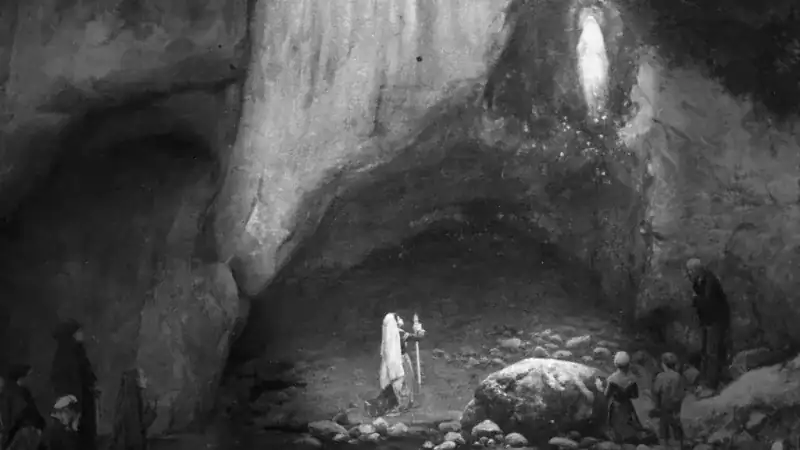
The sixteenth miracle at Lourdes presents us with a truly remarkable case that even caught the attention of a prominent skeptic. Emile Zola, the famous atheist French writer, unwittingly witnessed one of the most compelling miracles at Lourdes when he encountered Marie Lebranchu during her extraordinary healing in 1892.
Background of Marie Lebranchu
Born in 1857, Marie Lebranchu resided in Paris, France [1]. When she experienced her miraculous healing, she was 36 years old and sometimes referred to as Mrs. Wuiplier [2]. Marie joined the Paris section of the National Pilgrimage [1], embarking on what many considered her final journey before death. Her health had been ordinary throughout most of her life until tuberculosis began its devastating assault on her body over a two-year period.
Illness and Diagnosis of Marie Lebranchu
Marie suffered from severe pulmonary tuberculosis with the confirmed presence of Koch’s bacillus in her system [1]. By 1892, this relentless disease had advanced to its terminal stages [1]. Her body had wasted away to such an extent that she weighed less than 60 pounds upon arriving at Lourdes [20]. Medical experts of that era understood the grim reality: advanced tuberculosis offered virtually no hope of recovery through any known treatments of the 19th century.
Pilgrimage and Healing of Marie Lebranchu
On August 20, 1892, Marie experienced what the Catholic Church recognizes as divine intervention at the Baths of Lourdes [20]. The moment she was immersed in the sacred waters, she underwent an instantaneous transformation that defies medical explanation [21]. From that moment forward, all symptoms of her tuberculosis vanished completely.
What makes her case even more fascinating is that her healing occurred under the watchful and skeptical eyes of Emile Zola, who had traveled to Lourdes specifically to investigate and likely disprove claims of miraculous cures [22]. Even faced with this extraordinary evidence, Zola remained steadfast in his disbelief—a testament to how deeply held preconceptions can prevent one from accepting even the most compelling evidence of divine intervention.
Medical Validation of Marie Lebranchu
After a thorough investigation spanning sixteen years—a testament to the Church’s commitment to rigorous verification—Mgr Amette, Archbishop of Paris, officially declared Marie’s healing miraculous on June 6, 1908 [2]. The medical authorities verified the complete disappearance of all tuberculosis symptoms and the full restoration of her health. Her case became the sixteenth confirmed miracle associated with the Lourdes shrine.
Miracle 17: Marie Lemarchand
The seventeenth confirmed miracle at Lourdes presents us with one of the most striking confrontations between skepticism and divine intervention. What makes Marie Lemarchand’s case particularly compelling is that her transformation occurred under the direct observation of Emile Zola, the famous French novelist and professed atheist, who despite witnessing her healing with his own eyes, refused to acknowledge the supernatural nature of what he beheld.
Background of Marie Lemarchand
Born in 1874 in Caen, France, Marie Lemarchand was merely 18 years old when she journeyed to Lourdes in August 1892 [1]. Her pilgrimage was part of the Paris section of the National Pilgrimage [1], a journey undertaken with little hope from earthly medicine yet sustained by profound faith. What distinguishes her story from many other miraculous accounts is the presence of Emile Zola during her healing—a man who had come specifically to investigate and, one might say, disprove claims of supernatural cures [23].
Illness and Diagnosis of Marie Lemarchand
The gravity of Marie’s condition can scarcely be overstated. She suffered simultaneously from three seemingly incurable conditions: advanced lupus, pulmonary tuberculosis, and enormous leg ulcerations [24]. Her facial appearance was particularly distressing, with Zola himself describing it as “a frightful distorted mass of matter and oozing blood” [24]. Dr. d’Hombres, who examined her before her immersion in the baths, noted her “particularly revolting” appearance—both cheeks, lower nose, and upper lip covered with tuberculous ulcer secreting abundant matter [25]. The pulmonary tuberculosis had progressed to its terminal stages [1], placing Marie among those whom medical science had essentially abandoned to their fate.
Pilgrimage and Healing of Marie Lemarchand
On August 21, 1892—just one day after Marie Lebranchu’s miraculous recovery [1]—Marie Lemarchand entered the sacred waters at Lourdes. What happened next defies natural explanation. Upon emerging from the baths, witnesses observed a complete transformation that astonished even the most skeptical observers. Dr. d’Hombres, moved by professional curiosity, immediately followed her to the hospital and found her face “entirely changed” [25]. Where horrible suppurating sores had existed mere minutes before, he now observed dry, reddened skin with completely healed tissue [25]. Most remarkably, her tuberculosis and leg ulcers had simultaneously vanished [24], leaving no trace of the three-fold affliction that had brought her to the brink of death.
Medical Validation of Marie Lemarchand
The Medical Bureau at Lourdes carefully verified her extraordinary recovery, confirming the complete disappearance of all three diseases [23]. While Zola would later fictionalize her case in his writings, altering key facts to maintain his skeptical stance [3], the truth of Marie’s healing spoke more eloquently than any literary distortion. She went on to marry and bear eight healthy children [1], living a life that medical science had declared impossible just days before her cure.
On June 6, 1908, Archbishop Amette of Paris officially declared her healing miraculous [1], recognizing what countless medical professionals had already acknowledged—that her recovery transcended natural explanation. Throughout her remaining years, Marie never experienced any relapse [3], her sustained health standing as a testament to the extraordinary nature of her cure at the sacred waters of Lourdes.
Miracle 18: Elisa Lesage
The story of Elisa Lesage brings us to the eighteenth miracle recognized by the Church among the sacred waters of Lourdes. I find her case particularly moving as it represents the final confirmed miracle in this initial collection of extraordinary healings that established Lourdes as a place of divine intervention.
Background of Elisa Lesage
Born in Bucquoy in the Pas de Calais region of France in 1874, Elisa Lesage was merely 18 years old when she received her miraculous healing. Her early life had been relatively ordinary and free from serious illness until her teenage years, when a grave condition began to develop that would test both medical science and faith. As we have seen with several other cases, the Almighty often works through the suffering of ordinary people to demonstrate His mercy and power.
Illness and Diagnosis of Elisa Lesage
For more than a year before her pilgrimage, Elisa suffered from tuberculous osteo-arthritis affecting her right knee. Medical practitioners of the time referred to this condition as “white swelling,” a particularly distressing ailment that frequently afflicted adolescents in the late 19th century. The medical understanding of this disease was quite clear – even in the best cases, assuming no further spread of infection occurred, the normal outcome would be permanent ankylosis (stiffening) of the joint. Given the limitations of medicine in the 1890s, her future appeared bleak with little prospect for full recovery.
Pilgrimage and Healing of Elisa Lesage
On August 21, 1892, the same day that witnessed several other miraculous healings at Lourdes, Elisa’s life was forever transformed at the sacred baths. Upon immersion in the healing waters, something extraordinary occurred that defies natural explanation – her condition vanished entirely. What makes her case particularly compelling is the immediacy and completeness of the transformation. Where medical science predicted, at best, a stiffened joint following years of treatment, she emerged from the waters with neither trace of disease nor limitation of movement.
Medical Validation of Elisa Lesage
The Medical Bureau of Verifications examined Elisa that very same day and confirmed her recovery was “without any sequelae or ankylosis” – a finding that stood in stark contrast to the expected medical outcome for her condition. To establish the permanence of her healing, the medical authorities conducted follow-up examinations during the National Pilgrimages of both 1893 and 1894. For the sixteen years that followed, she experienced no recurrence whatsoever of her previous affliction. This sustained recovery led Bishop Alfred Williez of Arras to officially declare her healing as the eighteenth confirmed miracle at Lourdes on February 4, 1908.
Throughout the Scriptures, we see how God’s healing power manifests not merely to restore physical health but to draw souls closer to Him. Elisa’s case, like the seventeen we have examined before, shows the extent of God’s mercy reaching out to those suffering from conditions medical science considered hopeless. Her healing completes this initial collection of miracles that established the foundation for Lourdes’ recognition as a place of divine intervention, a recognition that continues to grow with each new case that undergoes the Church’s rigorous verification process.
Comparison Table
The following table provides a comprehensive overview of the 18 confirmed miracles we have explored thus far. What becomes immediately evident is the remarkable diversity of conditions healed—from paralysis to tuberculosis, from blindness to cardiac disease.
| Name | Year of Healing | Age at Healing | Primary Medical Condition | Location/Origin | Method of Healing | Official Recognition |
|---|---|---|---|---|---|---|
| Catherine Latapie | 1858 | 38 | Paralyzed right hand (ulnar type) | Loubajac, France | Spring water application | January 18, 1862 |
| Louis Bouriette | 1858 | 55 | Complete blindness in right eye | Lourdes, France | Water application to eye | January 18, 1862 |
| Blaisette Cazenave | 1858 | 50 | Chronic conjunctivitis with ectropion | Lourdes, France | Water application to eyes | January 18, 1862 |
| Henri Busquet | 1858 | 16 | Tuberculous adenitis | Nay, France | Water-soaked dressing | January 18, 1862 |
| Justin Bouhort | 1858 | 2 | Consumption (tuberculosis) | Lourdes, France | Immersion in spring | January 18, 1862 |
| Madelaine Rizan | 1858 | 58 | Left-sided hemiplegia | Nay, France | Water application | January 18, 1862 |
| Marie Moreau | 1858 | 17 | Severe eye inflammation | Tartas, France | Water-soaked bandage | January 18, 1862 |
| Pierre de Rudder | 1875 | 53 | Compound leg fracture | Jabbeke, Belgium | Prayer at Lourdes replica | July 25, 1908 |
| Joachime Dehant | 1878 | 29 | Gangrenous leg ulcer | Gesves, Belgium | Bath immersion | April 25, 1908 |
| Elisa Seisson | 1882 | 27 | Chronic heart disease | Rognonas, France | Bath immersion | July 2, 1912 |
| Sister Eugenia | 1883 | 28 | Appendiceal abscess/peritonitis | Bernay, France | Bath immersion | August 30, 1908 |
| Sister Julienne | 1889 | 25 | Pulmonary tuberculosis | La Roque, France | Bath immersion | March 7, 1912 |
| Sister Josephine Marie | 1890 | 36 | Tuberculosis with apical lesions | Le Havre, France | Bath immersion | October 10, 1908 |
| Amelie Chagnon | 1891 | 17 | Tuberculous arthritis | Tournai, Belgium | Not mentioned | September 8, 1910 |
| Clementine Trouve | 1891 | 13 | Tuberculous osteoperiostitis | Azay le Boule, France | Bath immersion | June 6, 1908 |
| Marie Lebranchu | 1892 | 36 | Pulmonary tuberculosis | Paris, France | Bath immersion | June 6, 1908 |
| Marie Lemarchand | 1892 | 18 | Lupus, tuberculosis, leg ulcers | Caen, France | Bath immersion | June 6, 1908 |
| Elisa Lesage | 1892 | 18 | Tuberculous osteo-arthritis | Bucquoy, France | Bath immersion | February 4, 1908 |
Conclusion
As I reflect on these first eighteen confirmed miracles at Lourdes, several profound truths become evident. What strikes me most deeply is the rigorous medical scrutiny each case endured—a process that elevates these healings far beyond mere coincidence or exaggeration. The Church’s commitment to thorough investigation reveals a profound respect for both faith and science, demonstrating how divine intervention can withstand the most careful examination.
The diversity of conditions healed speaks powerfully to God’s mercy. From tuberculous diseases to blindness, from paralysis to heart conditions—these miracles transcend any single medical specialty. We see in this variety a reflection of Our Lord’s healing ministry as recorded in the Gospels, where no ailment proved beyond His compassion.
The testimonies span all ages of human life—from two-year-old Justin Bouhort to 58-year-old Madelaine Rizan—showing that divine intervention recognizes no boundaries of age or circumstance. The Blessed Mother’s intercession extends to all who approach with faith, regardless of their stage in life’s journey.
The period from 1858 to 1892 established the foundation for all future investigations at Lourdes. The Medical Bureau of Verification, founded during this era, continues its sacred work today with even greater scientific rigor. These eighteen individuals—ordinary people who experienced extraordinary healing—remind us that despite medical science’s remarkable advancement, some recoveries remain beyond conventional explanation.
Praise God for these manifestations of His healing power, which continue to draw countless pilgrims to this sacred shrine where Heaven touches Earth.
References
[1] – https://www.theworkofgod.org/Aparitns/Lourdes/Lourdes1.htm
[2] – https://www.archives.nd.edu/rb/RB_1953_02_11.pdf
[3] – https://www.catholicherald.com/article/local/lourdes-and-the-miraculous-cures/
[4] – https://www.mysticsofthechurch.com/2010/04/miracle-cures-of-lourdes-miraculous.html
[5] – https://www.lourdes-france.org/en/miraculous-healings/
[6] – https://www.miraclehunter.com/marian_apparitions/approved_apparitions/lourdes/miracles1.html
[7] – https://www.miraclehunter.com/marian_apparitions/approved_apparitions/lourdes/downloads/lourdes_cures.pdf
[8] – https://www.deepertruthcatholics.com/single-post/the-catholic-defender-miracles-of-lourdes-part-i
[9] – https://www.lourdes-france.com/en/miraculous-healings/
[10] – https://www.magiscenter.com/blog/miracles-at-lourdes
[11] – https://www.tfp.org/three-miracles-at-lourdes-that-devastated-liberalism/
[12] – https://sspx.org/en/news/miracles-lourdes-truth-or-deception-8684
[13] – https://en.wikipedia.org/wiki/Pieter_De_Rudder
[14] – https://www.clairval.com/en/lourdes-miracles/
[15] – https://spiritualreading.co.za/wp-content/uploads/2020/08/Miracles-of-Lourdes.pdf
[16] – https://billdembski.com/book/the-faces-of-miracles/chapter-8/
[17] – https://passionofchrist-lechemindecroix.blogspot.com/2010/01/wonders-of-lourdes-150-miraculous.html
[18] – https://www.stbernadetteusa.org/ip.php/ip.php?pg=Miracles+and+healings
[19] – https://www.catholic.com/magazine/print-edition/the-gift-of-miracles
[20] – https://timstaples.com/2019/the-truth-about-miracles/
[21] – https://pmc.ncbi.nlm.nih.gov/articles/PMC3854941/
[22] – https://www.lourdescenter.org/newsletters/2018/EchoesSepOct18.pdf
[23] – https://www.ncregister.com/blog/zola-and-lourdes
[24] – https://www.catholicpamphlets.net/files/pamphlets/the miracles at lourdes.pdf