Mary and Zechariah: A Biblical Comparison of Faith and Doubt
The Gospel of Luke presents two pivotal encounters between the archangel Gabriel and key figures in salvation history: Zechariah the priest and Mary the virgin of Nazareth. These angelic annunciations, occurring within months of each other, reveal striking contrasts in human responses to divine revelation. While both individuals received miraculous announcements of miraculous births, their reactions differed dramatically—one responding with doubt and skepticism, the other with faith and acceptance. This comprehensive analysis examines the theological, literary, and spiritual dimensions of these encounters, exploring how Zechariah’s questioning differs from Mary’s inquiry, and what these responses reveal about faith, humility, and divine calling.
Why Did Luke Structure These Encounters as Parallel Narratives?
Luke’s Gospel opens with a carefully crafted parallel narrative structure, presenting the annunciations of John the Baptist and Jesus Christ through Gabriel’s visits to Zechariah and Mary respectively. This literary technique, known as parallel narrative or diptych structure, emphasizes both similarities and contrasts between the two accounts. The evangelist Luke, writing to a Gentile audience, uses these stories to establish Jesus’ divine identity while highlighting the proper response to God’s revelation.
The archangel Gabriel appears prominently in both the Hebrew Bible and New Testament as God’s messenger, particularly in contexts involving divine revelation and prophetic announcements. In the book of Daniel, Gabriel interprets visions and delivers prophecies about the coming Messiah. Luke’s Gospel continues this tradition, presenting Gabriel as the herald of the Messianic age through his announcements to both Zechariah and Mary.
What Made Zechariah’s Temple Encounter So Significant?
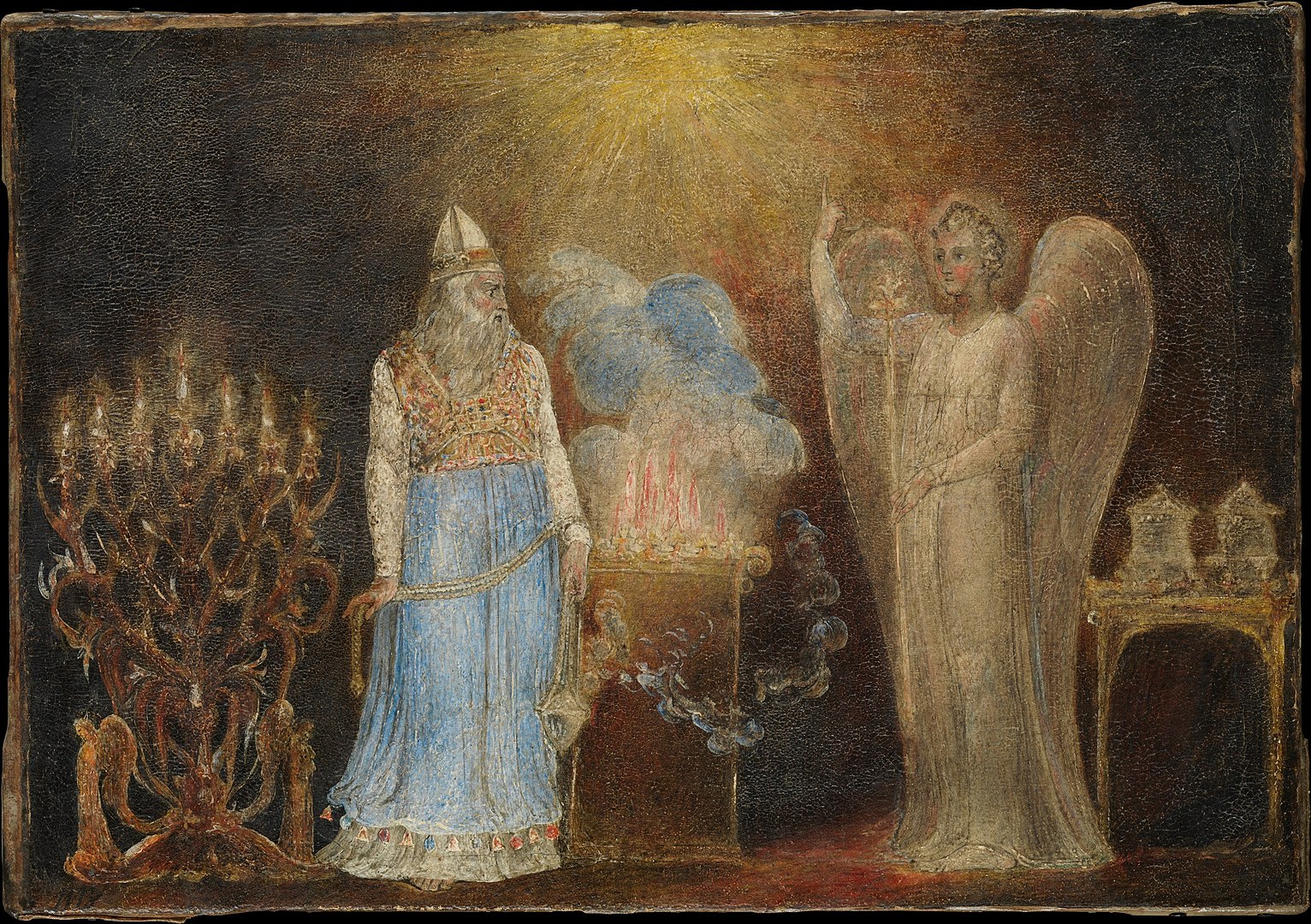
Zechariah’s encounter with Gabriel occurs in the most sacred space of Jewish worship—the Temple in Jerusalem, specifically in the Holy Place where the priest would burn incense. Luke 1:8-9 describes the scene: “Once when Zechariah’s division was on duty and he was serving as priest before God, he was chosen by lot, according to the custom of the priesthood, to go into the temple of the Lord and burn incense.” This setting proves significant for several reasons. Zechariah is performing his highest priestly duty, an honor that might come only once in a lifetime for an ordinary priest. He stands alone in the Holy Place, separated from the worshipping community by the temple veil, in the sacred space that represents the closest earthly approach to God’s presence, making it an appropriate venue for divine revelation.
Gabriel’s announcement to Zechariah contains several key elements that establish both divine authority and personal intimacy. The angel’s greeting includes both reassurance and affirmation: “Do not be afraid, Zechariah; your prayer has been heard” (Luke 1:13a). This opening acknowledges Zechariah’s natural fear while affirming that God has been attentive to his longstanding prayers for a child. The promise follows immediately: “Your wife Elizabeth will bear you a son, and you are to call him John” (Luke 1:13b). The specificity of the name “John,” meaning “God is gracious,” emphasizes the divine origin of this child and connects the birth to God’s character.
Gabriel then describes John’s future ministry in terms reminiscent of Old Testament prophets, particularly Elijah: “And he will go on before the Lord, in the spirit and power of Elijah, to turn the hearts of the parents to their children and the disobedient to the wisdom of the righteous—to make ready a people prepared for the Lord” (Luke 1:17). This prophetic description places John’s calling within the established biblical tradition while pointing forward to his unique role as the Messiah’s forerunner.
How Did Zechariah’s Response Reveal Faithless Doubt?
Zechariah’s reaction reveals doubt rooted in natural reasoning: “How can I be sure of this? I am an old man and my wife is well along in years” (Luke 1:18). This response demonstrates several troubling characteristics that distinguish it from faithful inquiry. First, Zechariah appeals to physical evidence, focusing on the biological impossibility of conception given his and Elizabeth’s advanced age. His question “How can I be sure?” (Greek: κατὰ τί γνώσομαι) literally means “According to what shall I know?” indicating a demand for empirical proof rather than acceptance of divine revelation.
More significantly, Zechariah’s response reveals a lack of faith in divine power despite his extensive religious background. As a priest familiar with scriptural accounts of miraculous births—Sarah, Rachel, Hannah—he fails to recognize God’s power to overcome natural limitations. His demand for additional confirmation beyond Gabriel’s word essentially challenges divine authority, questioning whether God can accomplish what He promises. This represents a fundamental failure to trust in the same divine power that his priestly service was meant to proclaim and celebrate.
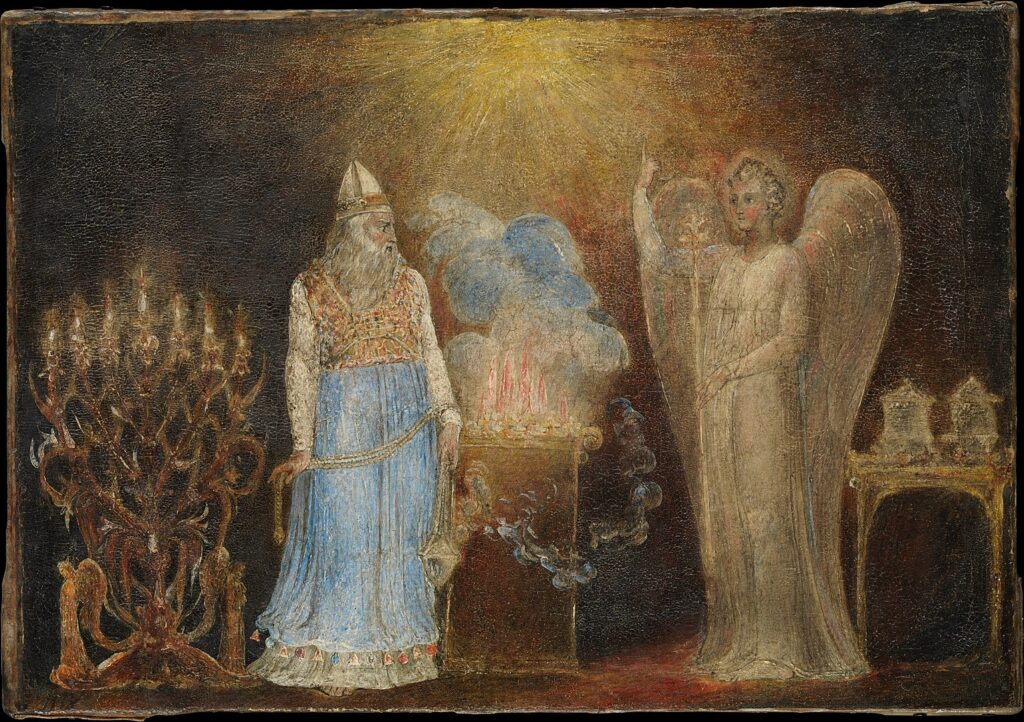
Gabriel’s reply reveals both his divine authority and the seriousness of Zechariah’s doubt: “I am Gabriel. I stand in the presence of God, and I have been sent to speak to you and to tell you this good news. And now you will be silent and not able to speak until the day this happens, because you did not believe my words, which will come true at their appointed time” (Luke 1:19-20). The temporary muteness serves multiple purposes within Luke’s narrative structure. It functions as both judgment for unbelief and a sign confirming Gabriel’s message. When Zechariah emerges from the temple unable to speak, the people immediately recognize that he has experienced a divine vision (Luke 1:22), transforming his doubt into a testimony of God’s supernatural intervention.
What Made Mary’s Encounter Different from Zechariah’s?
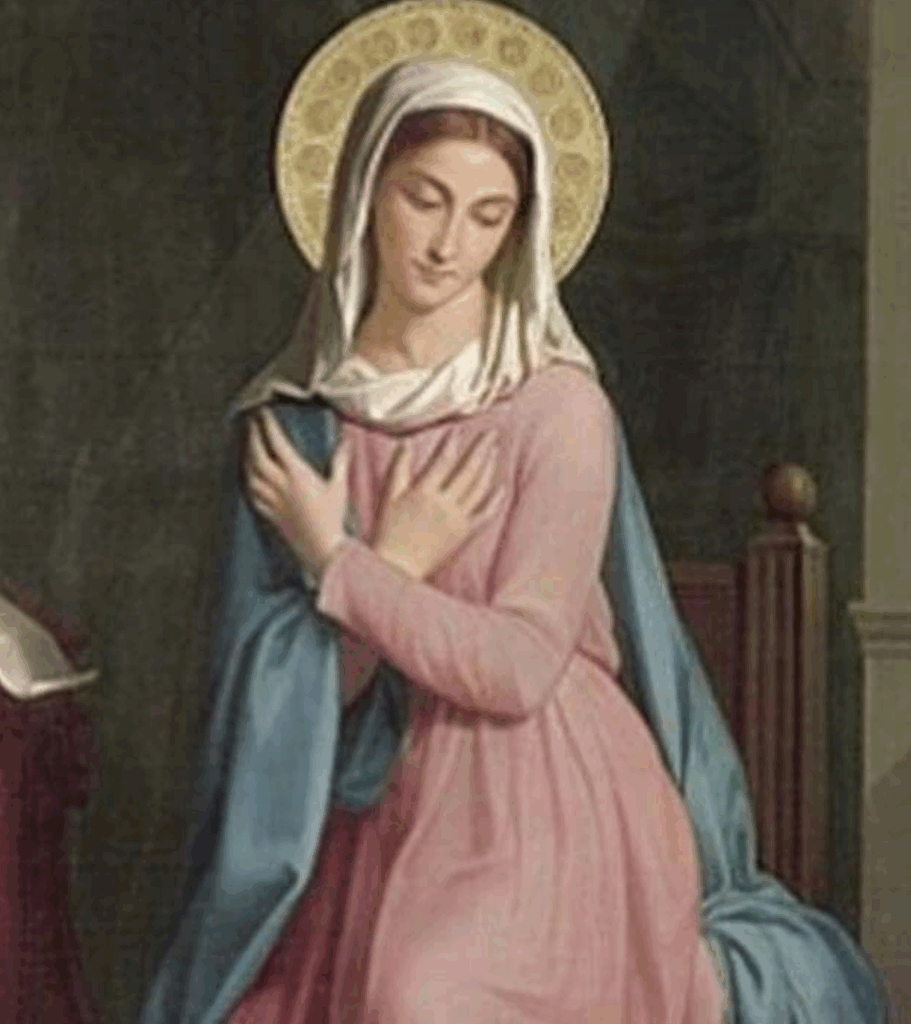
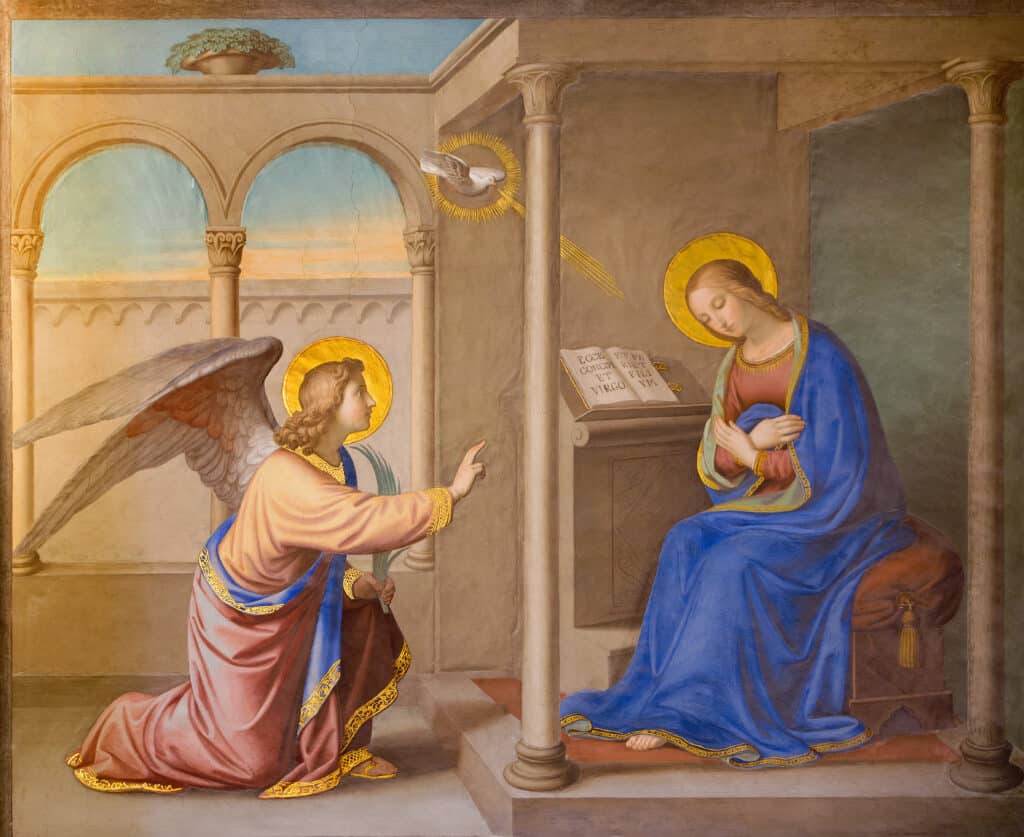
Mary’s encounter with Gabriel occurs in dramatically different circumstances that highlight the accessibility of divine revelation. Instead of the Temple’s sacred precincts, the annunciation takes place in Nazareth, an insignificant Galilean village. Rather than addressing a religious professional during official duties, Gabriel approaches a young, unmarried woman in the privacy of her daily life. Luke 1:26-27 establishes this stark contrast: “In the sixth month of Elizabeth’s pregnancy, God sent the angel Gabriel to Nazareth, a town in Galilee, to a virgin pledged to be married to a man named Joseph, a descendant of David. The virgin’s name was Mary.”
Gabriel’s announcement to Mary follows a similar pattern to his message to Zechariah but with crucial differences that emphasize both Mary’s special calling and the extraordinary nature of her son’s identity. The angel’s greeting itself is unique:
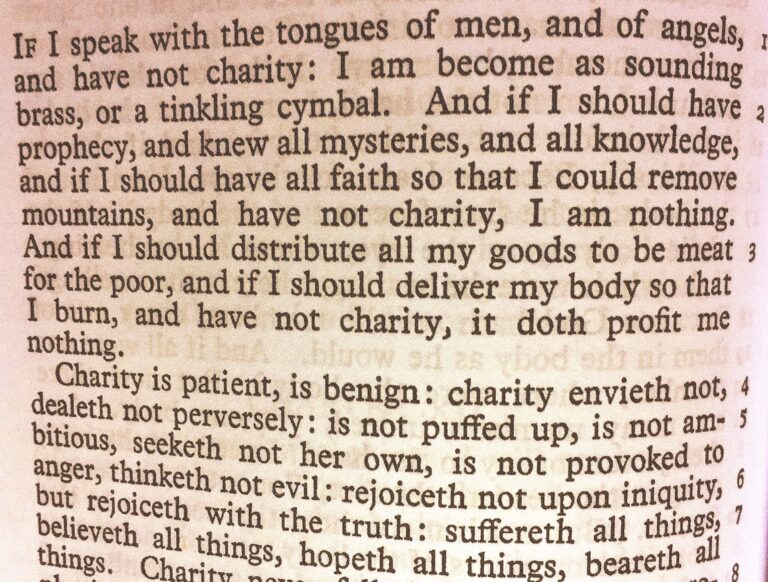
“Hail, full of grace, the Lord is with thee: blessed art thou among women.” (Luke 1:28).
The Greek term κεχαριτωμένη (kecharitomene), translated “highly favored,” indicates that Mary has received special grace from God, a divine favor that precedes and enables her calling rather than resulting from any merit of her own.
The promise Gabriel delivers to Mary surpasses even the extraordinary nature of John’s calling:
“Fear not, Mary, for thou hast found grace with God. Behold thou shalt conceive in thy womb and shalt bring forth a son: and thou shalt call his name Jesus.
He shall be great and shall be called the Son of the Most High. And the Lord God shall give unto him the throne of David his father: and he shall reign in the house of Jacob for ever. And of his kingdom there shall be no end.”(Luke 1:31-33).
Unlike John’s prophetic role as forerunner, Jesus is presented as the promised Messiah himself, heir to David’s throne, and eternal king whose reign will never end. This announcement places Mary at the very center of salvation history, making her the human instrument through which God’s ultimate redemptive plan will be accomplished.
How Did Mary’s Question Demonstrate Faith Rather Than Doubt?
Mary’s reaction demonstrates a fundamentally different approach from Zechariah’s skeptical response:
“And Mary said to the angel: How shall this be done, because I know not man?” (Luke 1:34).
This question differs from Zechariah’s in several crucial ways that reveal the nature of faithful inquiry as opposed to faithless doubt. Mary’s question (Greek: πῶς ἔσται τοῦτο) means “How will this be?” rather than demanding proof of possibility. She seeks understanding of the mechanism, not evidence of truth, accepting that God can accomplish the impossible while asking only how He will do so.
Throughout the encounter, Mary maintains a posture of humility and openness to God’s will that contrasts sharply with Zechariah’s demand for additional confirmation. Her inquiry assumes divine omnipotence while seeking clarification about human participation in God’s plan. This demonstrates mature faith that trusts in God’s character and power even when faced with circumstances that transcend human understanding or natural possibility.
Rather than rebuke Mary’s question, Gabriel provides her with a detailed and gracious explanation that reveals the theological depth of the incarnation:
“And the angel answering, said to her: The Holy Spirit shall come upon thee and the power of the Most High shall overshadow thee. And therefore also the Holy which shall be born of thee shall be called the Son of God.
And behold thy cousin Elizabeth, she also hath conceived a son in her old age: and this is the sixth month with her that is called barren.
Because no word shall be impossible with God”. (Luke 1:35-37).
This response includes theological explanation of the Holy Spirit’s role in the conception, a confirmatory sign through Elizabeth’s pregnancy, and divine assurance that God’s word never fails to accomplish its purpose.
Mary’s final response exemplifies perfect discipleship and cooperation with divine grace:
“Behold the handmaid of the Lord: be it done to me according to thy word. And the angel departed from her.” (Luke 1:38).
This declaration demonstrates complete surrender to God’s will despite the personal risk and social consequences she will face. Her identification as God’s servant places her in the tradition of biblical figures who accepted divine calling despite personal cost, while her desire for God’s word to be fulfilled shows active cooperation with divine purposes rather than passive resignation.
What Do These Contrasting Responses Reveal About Faith and Doubt?
The contrast between Zechariah’s doubt and Mary’s faith carries profound theological significance that extends far beyond their individual responses to angelic visitations. Mary exemplifies biblical faith, which is not blind acceptance but trust in God’s character and power despite incomprehensible circumstances. Her response illustrates how genuine faith seeks understanding while accepting divine truth, asking questions that flow from trust rather than skepticism. Zechariah, by contrast, represents natural reason that demands empirical proof before belief, limiting divine possibilities to what can be naturally explained or verified through human experience.
Both individuals receive unmerited divine favor in their callings, but their responses reveal different approaches to divine grace. Mary’s immediate acceptance illustrates proper human cooperation with divine grace, demonstrating how humility and trust create space for God’s supernatural work. Zechariah’s initial doubt shows how human pride and reliance on natural wisdom can initially resist God’s purposes, requiring divine intervention to overcome human limitations and bring about faithful acceptance.
The prophetic tradition provides context for understanding these different responses. Mary’s acceptance aligns with the biblical pattern of servant-messengers who accept divine calling despite personal cost or apparent impossibility. From Moses’ reluctant acceptance to Isaiah’s willing response (“Here am I, send me”), the prophetic tradition shows that questions and concerns are acceptable within a framework of fundamental trust in God’s calling. Zechariah’s reaction, however, reflects the human tendency to evaluate divine promises according to natural possibility rather than divine power.
How Do These Encounters Challenge Social and Religious Expectations?
Luke’s parallel structure emphasizes several symbolic contrasts that enhance the theological meaning of these encounters. The elderly Zechariah represents the old covenant and established religious order, while young Mary symbolizes the new covenant and humble receptivity to divine grace. Zechariah’s encounter in the Temple represents institutional religion with its formal structures and professional religious class, while Mary’s domestic setting emphasizes God’s accessibility to ordinary people in everyday circumstances.
The contrast between religious professional and laywoman highlights how divine revelation transcends human religious hierarchies and institutional structures. God’s choice to reveal His greatest mystery to a young, unmarried woman from an insignificant village demonstrates divine preference for humility over status, receptivity over credentials, and faith over religious position. This theme continues throughout Luke’s Gospel, where Jesus consistently challenges religious establishments while welcoming those considered marginal by social and religious standards.
The Gospel’s portrayal of these encounters challenges first-century social expectations in ways that continue to speak to contemporary readers. The elevation of Mary’s faithful response over Zechariah’s initial doubt challenges assumptions about spiritual authority and religious education. Mary’s superior spiritual response demonstrates that receptivity and faith matter more than formal religious training or institutional position. This has implications for how we understand spiritual authority, the value of different types of questions, and the accessibility of divine revelation to all people regardless of their social or religious status.
What’s the Difference Between Faithful Questions and Faithless Doubt?
The question of questioning emerges as a crucial theme in comparing these two encounters. The different outcomes of Mary’s and Zechariah’s questions reveal important distinctions between legitimate inquiry and faithless doubt. Mary’s “how” question seeks understanding while accepting the message’s truth, representing the theological principle of faith seeking understanding (fides quaerens intellectum), where belief precedes but desires comprehension. Zechariah’s “how can I be sure” demands proof before believing, evaluating divine promises according to natural possibilities rather than acknowledging God’s supernatural power.
Similar patterns appear throughout Scripture, providing context for understanding these different approaches to divine mystery. Gideon’s request for multiple confirmatory signs operates within a framework of basic faith in God’s calling (Judges 6), while Abraham’s laughter at the promise of Isaac (Genesis 17:17) represents human incredulity that ultimately gives way to faith. Thomas’s demand for physical proof of Christ’s resurrection parallels Zechariah’s skepticism but eventually leads to profound faith and worship (John 20:24-29).
The temporary nature of Zechariah’s silence contrasts meaningfully with Mary’s immediate prophetic speech in the Magnificat (Luke 1:46-55). Zechariah’s muteness represents the limitation of human wisdom when confronted with divine mystery, while Mary’s song demonstrates how faith-filled acceptance opens the heart to prophetic insight and theological understanding. Her canticle reveals deep comprehension of God’s character, His redemptive purposes, and her own role in salvation history, showing that humble faith often leads to profound spiritual insight.
How Do Both Figures Ultimately Participate in God’s Salvation Plan?
Despite his initial doubt, Zechariah plays a crucial role in salvation history that demonstrates God’s ability to work through human limitation and failure. Upon John’s birth, Zechariah’s inspired canticle (Benedictus) in Luke 1:67-79 reveals complete understanding of his son’s mission and God’s redemptive plan. His temporary silence may represent the old covenant’s limitation in fully understanding God’s purposes, while his restored speech at John’s birth symbolizes the breakthrough of divine revelation that enables proper praise and prophetic understanding.
Zechariah’s transformation from doubt to praise illustrates that initial skepticism need not disqualify someone from participating in God’s purposes. His final prophetic song demonstrates that even those who struggle with faith can be transformed by divine grace into instruments of worship and proclamation. This provides hope for contemporary believers who may wrestle with doubt while seeking to serve God faithfully.
Mary’s unique calling establishes her distinctive role in salvation history and Christian theology. Her obedient “yes” to God contrasts with Eve’s disobedience, positioning Mary as the new Eve who enables humanity’s redemption through her cooperation with divine grace. This typological understanding sees Mary as the faithful woman whose obedience reverses the consequences of the first woman’s disobedience, making possible the incarnation that will restore broken relationship between God and humanity.
Mary’s response models ideal Christian discipleship through her immediate acceptance of God’s will despite personal cost and mystery. Her willingness to risk social disgrace, family rejection, and possible death under Jewish law demonstrates the radical nature of faithful discipleship. Her example shows that following God’s call often requires accepting uncertainty about outcomes while trusting in divine purposes that transcend human understanding.
What Can Contemporary Believers Learn from These Encounters?
These accounts offer contemporary believers relevant insights for navigating faith in the modern context. Mary’s example shows that faith can coexist with genuine questions and desire for understanding, but these questions must flow from trust rather than skepticism. Her approach demonstrates intellectual honesty combined with spiritual humility, seeking to understand God’s ways while accepting that some divine mysteries transcend full human comprehension.
Zechariah’s experience warns against limiting God’s power to natural possibilities or demanding empirical proof before faith. His story shows how religious knowledge and professional position cannot substitute for humble trust in divine power. Contemporary believers can learn from his example that theological education and religious experience, while valuable, do not automatically produce faith or guarantee proper response to divine calling.
The contrast between Mary’s domestic setting and Zechariah’s temple encounter reminds contemporary Christians that God’s revelation comes to ordinary people in everyday circumstances, not only through religious professionals in sacred spaces. This accessibility of divine grace encourages all believers to remain open to God’s calling regardless of their social position, religious background, or formal theological training.
These passages provide valuable guidance for spiritual formation and pastoral care in contemporary Christian communities. Faith-filled inquiry like Mary’s should be welcomed and answered with patience and theological depth, while skeptical demands for proof should be gently challenged and redirected toward trust in God’s character and promises. The accounts remind spiritual leaders that questions themselves are not problematic; the crucial factor is whether they flow from faith seeking understanding or from doubt demanding empirical verification.
How Does Luke’s Literary Artistry Enhance the Theological Message?
Luke’s narrative artistry serves multiple theological and literary purposes that enhance the accounts’ meaning and impact. The dramatic contrast between Zechariah’s doubt and Mary’s faith heightens appreciation for her faithful response while providing instruction about proper reaction to divine revelation. Both figures undergo significant transformation throughout their stories—Zechariah moving from doubt to prophetic praise, Mary progressing from initial perplexity to confident faith and theological insight.
The symbolic richness of these accounts operates on multiple levels simultaneously. The movement from Zechariah representing the old covenant to Mary embodying the new covenant symbolizes salvation history’s progression from promise to fulfillment. The accessibility of divine revelation to both priest and peasant demonstrates the gospel’s universal scope and God’s desire to reveal Himself to all people regardless of social or religious status.
The theme of divine reversal appears clearly in these accounts, foreshadowing Jesus’ ministry pattern where the humble receive revelation gladly while the established initially resist divine purposes. This reversal challenges human assumptions about worthiness, wisdom, and spiritual authority while revealing God’s preference for humility over pride, receptivity over resistance, and faith over credentials.
What Is the Lasting Significance of These Parallel Encounters?
The contrasting responses of Zechariah and Mary to Gabriel’s annunciations provide enduring insights into the nature of faith, doubt, and divine calling that speak powerfully to contemporary believers. Zechariah’s initial skepticism, rooted in natural reasoning and empirical demands, represents a common human response to divine mystery that limits God’s power to natural possibilities. His temporary muteness serves both as consequence for unbelief and opportunity for deeper reflection on divine power and faithfulness.
Mary’s response exemplifies mature faith that transcends natural impossibility through trust in God’s character and omnipotence. Her inquiry seeks understanding while accepting divine truth, modeling the proper relationship between faith and reason. Her immediate acceptance of God’s will, despite enormous personal risk and social consequences, establishes her as the paradigm of discipleship and cooperation with divine grace.
The transformation both figures ultimately experience—Zechariah from doubt to prophetic praise, Mary from perplexity to confident cooperation—demonstrates that God can work through human limitation and uncertainty to accomplish divine purposes. These accounts offer hope to all believers that faithful response to God’s calling, whether immediate like Mary’s or gradual like Zechariah’s, opens the heart to participate in divine purposes that far exceed human imagination.
The enduring relevance of these encounters lies in their portrayal of authentic human responses to divine mystery. They remind us that God meets people where they are—whether in temple or home, whether priest or peasant, whether initially doubtful or immediately receptive—and works patiently to accomplish redemptive purposes through human cooperation. The contrast between Zechariah’s demand for proof and Mary’s faithful inquiry continues to instruct believers about the difference between skeptical doubt and faith-filled questioning.
As contemporary Christians face their own encounters with divine mystery and calling, these accounts encourage examination of our fundamental posture toward God’s revelation. Do we approach divine promises like Zechariah initially did, limiting God’s power to natural possibilities and demanding empirical proof? Or do we follow Mary’s example, asking sincere questions while maintaining trust in God’s character and omnipotence? The Gospel of Luke presents these options not to condemn human limitation but to encourage growth in faith that trusts divine promises even when they transcend human understanding.
The parallel structure of these narratives ultimately points beyond individual responses to the greater reality of God’s redemptive work in history. Through both the doubting priest and the trusting virgin, through both initial resistance and immediate acceptance, God accomplishes His purposes of preparing the way for salvation and bringing that salvation into the world. The birth of John the Baptist and Jesus Christ represents the culmination of divine promises that seemed impossible to human reason but proved certain to divine power.
These accounts remind every generation of believers that “no word from God will ever fail” (Luke 1:37), encouraging trust in divine promises even when circumstances seem to make them impossible. They challenge us to move beyond natural reasoning toward supernatural faith, beyond demands for proof toward confident trust in God’s character and power. Most importantly, they invite us to join Mary in saying, “I am the Lord’s servant. May your word to me be fulfilled”—accepting our part in God’s ongoing redemptive work in the world.
References and Bibliography
Primary Sources
The Holy Bible, New International Version. Grand Rapids: Zondervan, 2011.
The Holy Bible, Translated from the Latin Vulgate (Bellingham, WA: Logos Bible Software, 2009)
The Holy Bible, English Standard Version. Wheaton: Crossway, 2016.
Nestle-Aland Greek New Testament, 28th edition. Stuttgart: Deutsche Bibelgesellschaft, 2012.
Secondary Sources
Brown, Raymond E. The Birth of the Messiah: A Commentary on the Infancy Narratives in the Gospels of Matthew and Luke. New York: Doubleday, 1993.
Fitzmyer, Joseph A. The Gospel According to Luke I-IX: Introduction, Translation, and Notes. Anchor Bible Commentary 28. New York: Doubleday, 1981.
Green, Joel B. The Gospel of Luke. New International Commentary on the New Testament. Grand Rapids: Eerdmans, 1997.
Johnson, Luke Timothy. The Gospel of Luke. Sacra Pagina Series 3. Collegeville: Liturgical Press, 1991.
Marshall, I. Howard. The Gospel of Luke: A Commentary on the Greek Text. New International Greek Testament Commentary. Grand Rapids: Eerdmans, 1978.
Nolland, John. Luke 1-9:20. Word Biblical Commentary 35A. Dallas: Word Books, 1989.
Gaventa, Beverly Roberts. “The Overthrow of the Proud: Mary’s Song in the Context of Luke’s Gospel.” Catholic Biblical Quarterly 61, no. 1 (1999): 64-78.
Schaberg, Jane. “Luke 1:26-38: The Annunciation to Mary.” Interpretation 58, no. 3 (2004): 266-273.
Tannehill, Robert C. “The Magnificat as Poem.” Journal of Biblical Literature 93, no. 2 (1974): 263-275.
Balz, Horst, and Gerhard Schneider, eds. Exegetical Dictionary of the New Testament. 3 vols. Grand Rapids: Eerdmans, 1990-1993.
Kittel, Gerhard, and Gerhard Friedrich, eds. Theological Dictionary of the New Testament. 10 vols. Grand Rapids: Eerdmans, 1964-1976.