How Much Do We REALLY Love Jesus?
A Catholic Examination of Authentic Love in a World of Modern Idols
What Kind of Love Does Jesus Actually Ask For?
“If anyone comes to me and does not hate his father and mother, wife and children, brothers and sisters, and even his own life, he cannot be my disciple” (Luke 14:26). These stark words from our Lord Jesus Christ cut through two thousand years of history to challenge us today. They are not meant to be softened or explained away, but rather to shake us from our comfortable spiritual complacency.
If Jesus demanded this kind of radical love in first-century Palestine, how much do we truly love Him TODAY? This question demands honest examination—not just of others, but of ourselves. I write this article as someone wrestling with these same struggles, not from a position of spiritual superiority, but from the valley where most of us live, trying to navigate a world that constantly pulls us away from Christ.
The ancient Catholic principle “lex orandi, lex credendi, lex vivendi” teaches us that how we pray shapes what we believe, and what we believe shapes how we live. This interconnected reality means our daily choices reveal the true condition of our hearts more accurately than our Sunday professions of faith.

What Does My Phone Obsession Reveal About My Heart?
Last week, I spent three hours researching the latest Samsung phone release. I watched unboxing videos, compared features with competing models, read countless reviews, and calculated whether I could justify the purchase. Three full hours of my life devoted to a device I didn’t need, wanting to replace a phone that worked perfectly well.
Here I was, able to dedicate three hours to researching a material possession, yet unable to remember spending even one hour with the Lord who died for me. My actions revealed a truth my words would never admit: I loved the idea of a new phone more than I loved time with Jesus.
This is not an isolated incident but a pattern. How many of us can relate? We say we love Jesus, we attend Mass on Sundays, we might even pray a daily rosary. But when we examine our bank statements, our screen time reports, our calendars, and our energy expenditures, what story do they tell?
Are We Offering Agape Love or Just Phileo Affection?
Before we can examine whether we truly love Jesus, we must understand what kind of love He asks for. The post-Resurrection conversation between Jesus and Peter in John 21 illuminates this beautifully—and uncomfortably.
Three times Jesus asks Peter, “Do you love me?” But what’s lost in most English translations is the nuance of the Greek words used. Jesus asks the first two times using the word agape—the highest form of love, divine and self-sacrificial. This is the love that seeks nothing for itself, the love that gives everything without counting the cost, the love that led Christ to the Cross.
Peter, perhaps humbled by his triple denial and aware of his own weakness, responds not with agape but with phileo—brotherly love, affectionate friendship. He’s essentially saying, “Lord, you know I’m fond of you, I have affection for you.” But Jesus asked for something far greater.
Only on the third question does Jesus meet Peter where he is, asking for phileo love, and Peter responds with the same. Yet even this imperfect love, Christ uses, commissioning Peter to “feed my sheep.”
What Kind of Love Are We Really Offering?
This exchange poses a penetrating question for each of us: What kind of love are we offering Jesus?
Are we offering mere phileo love—affection when it’s convenient, friendship when it costs us nothing, devotion that exists comfortably alongside our worldly attachments? Or are we striving for agape love—the kind that would sacrifice everything, that holds nothing back, that makes Jesus not just a priority but the priority?
Practical Example: Consider your morning routine. Do you reach for your phone before you speak to God? Do you scroll through social media before you read Scripture? Do you check the news before you offer your day to Jesus? These small choices reveal whether we’re operating from phileo (comfortable affection) or agape (sacrificial priority).
What Modern Golden Calves Have We Built?
Have We Created More Sophisticated Idols?
The Israelites didn’t wake up one day and decide to reject God. They simply got impatient waiting for Moses and created something tangible, something they could see and control. They wanted a god that fit their timeline and served their comfort. We do the same thing, just with more sophisticated idols.
The Smartphone Idol: The average American checks their phone 96 times per day—once every ten minutes. We wake up with it, go to sleep with it, and panic when we’ve forgotten it. We’ve created a device that demands our constant attention, shapes our thoughts, and mediates our relationships. When was the last time we gave God even a fraction of that attention?
The Comfort Idol: We’ve elevated comfort to a supreme good. We avoid Mass when it’s inconvenient, skip fasting because it’s uncomfortable, refuse to engage in difficult conversations about faith, and structure our entire lives around avoiding suffering. Yet Christ explicitly told us to take up our cross daily (Luke 9:23). The cross is, by definition, uncomfortable.
The Image Idol: Social media has created a culture where we’re more concerned with appearing holy than being holy. We craft the perfect “blessed” Sunday Mass selfie but can’t commit to fifteen minutes of daily prayer. We post inspirational quotes about trust in God while anxiously refreshing our bank accounts. We perform spirituality for an audience while our actual prayer lives are barren.
Who Is Really My Master—God or Money?
Jesus said explicitly, “You cannot serve both God and money” (Matthew 6:24). Not “it’s difficult” or “it’s not recommended”—He said it’s impossible. Yet how many of us are trying to do exactly that?
I recently had a painful realization about my own relationship with money. I had been justifying not increasing my charitable giving from a meager 3% to even 5% because I “needed” to save for a vacation. But that same week, I didn’t think twice about:
- $45 on coffee runs
- $30 on streaming services I barely use
- $60 on a restaurant meal I could have cooked at home
- $25 on an impulse purchase I’ve already forgotten
Within a week, I had spent $160 on complete non-essentials while claiming I couldn’t afford an extra $40 per month for the poor. My spending revealed my heart: I loved my comfort more than I loved the opportunity to serve Christ in the poor.
Practical Challenge: Print out your last three months of bank and credit card statements. Highlight every purchase that was purely for pleasure or convenience. Calculate the total. Now ask yourself: Could I have given even half of that to serve God’s kingdom? What would that money have done in the hands of a struggling family, a crisis pregnancy center, or a missionary?
Are We Treating Our Bodies as Temples or Billboards?
What Does Scripture Really Say About Body Modification?
One of the most countercultural Catholic teachings today concerns how we treat our bodies. In an age of extreme body modification, self-expression through appearance, and the elevation of personal autonomy above all else, the Church’s teaching sounds almost alien.
Yet Scripture could not be clearer. Leviticus 19:28 states: “You shall not make any cuts on your body for the dead or tattoo yourselves: I am the Lord.” The New Testament reinforces this, teaching that “your body is a temple of the Holy Spirit within you, which you have from God. You are not your own, for you were bought with a price. So glorify God in your body” (1 Corinthians 6:19-20).
Are We Following Christ or Following Culture?
Tattoos and body piercings have become so normalized in our culture that even questioning them can provoke accusations of being judgmental or legalistic. But we must ask: Are we following Christ or following culture?
When we choose to permanently mark our bodies with tattoos or pierce ourselves in ways beyond traditional ear piercing for women, we must examine our motivations:

- Are we seeking attention?
- Are we trying to fit in with a particular social group?
- Are we making a statement of rebellion or independence?
- Are we following trends we see on celebrities or influencers?
Saint John tells us clearly: “Do not love the world or anything in the world. If anyone loves the world, love for the Father is not in them” (1 John 2:15).
Practical Example: A young Catholic woman once told me she wanted a small cross tattoo “to show her faith.” But when I asked her if she attended daily Mass, prayed a daily rosary, or volunteered at her parish, she admitted she did none of these things. She wanted the visible symbol of faith without the invisible work of faith. She wanted the performance without the practice.
The question isn’t whether a small religious tattoo is the worst sin imaginable—it’s not. The question is about what our choices reveal about our hearts. Are we using our bodies to glorify God through purity, modesty, and treating them as holy temples? Or are we using our bodies as canvases for self-expression, following worldly trends regardless of what Scripture teaches?
What’s the Deeper Spiritual Issue Behind Vanity?
Beyond the specific prohibition of tattoos, there’s a deeper spiritual issue: vanity. Body modifications often stem from an obsession with appearance, with how others perceive us, with standing out or fitting in. This is fundamentally a form of pride and self-focus that pulls us away from the humility and God-focus that characterize authentic Christian life.
What Can the Saints Teach Us About Radical Simplicity?
How Did the Blessed Mother Live?
The Venerable Mary of Agreda, a 17th-century Spanish mystic, received extraordinary revelations about the life of the Blessed Virgin Mary, compiled in her work “The Mystical City of God.” While we approach mystical revelations with appropriate caution, her descriptions of Mary’s radical simplicity align perfectly with Scripture and Tradition.
Mary of Agreda reveals that Our Lady lived with extraordinary detachment from material possessions. The Mother of God kept only what was absolutely necessary for her life and immediately gave away anything extra. She didn’t accumulate clothes, household items, or decorations. She didn’t create artificial needs or convince herself that luxuries were necessities.
Imagine that: The Queen of Heaven and Earth, the Mother of God Himself, living in such simplicity that she owned only the bare essentials.
Now compare this to our lives. How many of us have:
- Closets stuffed with clothes we haven’t worn in years
- Kitchens full of gadgets used once and forgotten
- Subscriptions to services we’ve forgotten we’re paying for
- Storage units filled with things we can’t even remember
- Garages so cluttered we can’t park our cars inside
We don’t just buy what we need—we gather unnecessary wants, stockpile excess, and then convince ourselves these luxuries are necessities. We justify the latest iPhone because “I need it for work,” even though our current phone works fine. We “need” a larger house, a nicer car, more clothes, better furniture, the latest technology.
Practical Example: Take an inventory of your possessions. Go room by room and honestly assess:
- What do I actually use regularly?
- What am I keeping “just in case” but haven’t touched in years?
- What did I buy on impulse that brought no lasting value?
- What could I give away to someone who actually needs it?
Then act. Don’t just think about it—actually box up items and donate them. Feel the freedom that comes from detachment.
What Does Radical Renunciation Look Like?
Saint Francis of Assisi literally stripped naked in the town square of Assisi, returning even his clothes to his wealthy father, declaring that he had only one Father—the one in Heaven. This wasn’t mental illness or youthful rebellion; it was radical obedience to Christ’s call to “leave everything and follow me.”
Most of us will never be called to such dramatic renunciation, but we’re all called to the spirit of detachment that animated Francis. He found perfect joy not in having much, but in having nothing but Christ.
Practical Example: What would happen if you lost your most prized possession tomorrow? Your phone, your car, your house, your savings account? Would you still have joy? Would your faith remain intact? If not, you’ve found your idol.
Does This Bring Me Closer to Jesus or Closer to the World?
Here’s a simple but powerful test that has transformed my spiritual life: Before making any decision, ask yourself this one question: “Does this bring me closer to Jesus or closer to the world?”
This single question cuts through rationalizations, exposes our true motivations, and forces honest examination. Let’s apply it to various areas of life with concrete examples:
What Am I Really Choosing When I Pick My Entertainment?
Before turning on Netflix: “Does this bring me closer to Jesus or closer to the world?”
That new series everyone’s talking about—the one with graphic violence, sexual content, and characters who mock Christian values—does it help you grow in holiness? Or does it normalize sin, desensitize your conscience, and fill your mind with images contrary to purity?
Practical Example: I used to justify watching morally questionable shows by saying “I’m mature enough to handle it” and “I can separate entertainment from reality.” But then I noticed something: After watching these shows, I found it harder to pray. The images stayed in my mind during Mass. The crude jokes came to me during Adoration. The worldly values seeped into my thinking.
I was choosing entertainment that pulled me away from Jesus, then wondering why my prayer life felt dry.
Alternative: Instead of that three-hour Netflix binge, what if you spent one hour reading the life of a saint, one hour in Eucharistic Adoration, and one hour having a meaningful conversation with family? How would that change your heart?
Is My Social Media Feed Drawing Me Toward Heaven or Hell?
Before scrolling Instagram or TikTok: “Does this bring me closer to Jesus or closer to the world?”
Is your feed filled with influencers promoting materialism, immodesty, and self-focus? Are you comparing yourself to others and feeling inadequate? Are you seeking validation through likes and comments? Or are you using social media as a tool for genuine connection, evangelization, and inspiration toward holiness?
Practical Example: A young woman I know spent an hour each evening scrolling through Instagram, looking at fashion influencers, travel bloggers, and lifestyle content. She noticed she always felt worse afterward—more discontent with her own life, more focused on what she lacked, more consumed with her appearance.
She made a simple change: She unfollowed accounts that made her feel worse and followed accounts of saints, Catholic content creators, and pro-life organizations. Within a month, her entire perspective shifted. Social media became a tool for spiritual growth rather than spiritual decline.
What Do My Purchases Reveal About My Priorities?
Before buying anything beyond basic necessities: “Does this bring me closer to Jesus or closer to the world?”
That trendy outfit you don’t need, the latest gadget you can’t afford, the expensive coffee that’s become a daily “necessity”—are these drawing you toward simplicity and detachment, or toward materialism and worldly approval?
Practical Examples:
- The Coffee Test: If you spend $5 per day on coffee, that’s $150 per month, $1,800 per year. What could that money do for the Kingdom of God? What if you made coffee at home four days per week and gave that $120 per month to a food bank, a crisis pregnancy center, or a missionary? How would that change your heart?
- The Wardrobe Challenge: Before buying new clothes, go through your closet and count how many items you haven’t worn in six months. If it’s more than five, you don’t need new clothes—you need to practice gratitude for what you have and give away what you don’t use.
- The Upgrade Cycle: Your phone works fine, but the new model just came out. Do you actually need the upgrade, or do you want the status symbol, the novelty, the feeling of having the latest technology? What if you kept your current phone another two years and donated the money you would have spent?
Where Is My Time Really Going?
Before committing hours to any activity: “Does this bring me closer to Jesus or closer to the world?”
That three-hour gaming session, the endless research on vacation destinations, the deep dive into celebrity drama, the rabbit hole of YouTube videos—is this time building your relationship with Christ or feeding worldly attachments?
Practical Example: Track your time for one week—every hour. Be brutally honest. How much time went to prayer, Scripture reading, spiritual reading, serving others, and building up your family? How much went to entertainment, social media, gaming, and consuming content?
For most of us, the ratio is shocking. We might spend seven hours per week in entertainment and seven minutes in prayer, then wonder why we don’t feel close to God.
The Simple Solution: The Tithe Principle. If you spend ten hours per week on entertainment, tithe it—give one hour back to God. Spend that hour in Adoration, reading Scripture, praying the Liturgy of the Hours, or serving the poor. Notice how that one hour transforms the other nine.
Am I Modifying My Body for God’s Glory or My Own?
Before getting that tattoo, piercing, or dramatic style change: “Does this bring me closer to Jesus or closer to the world?”
Is this about humble service to God, or about getting attention and following trends? Are you treating your body as a temple of the Holy Spirit or as a billboard for worldly culture? Are you making this choice to glorify God or to glorify yourself?
Practical Example: A young man once asked me, “What’s wrong with a small tattoo of a Bible verse?” I responded with questions:
- Do you read that Bible verse daily now?
- Do you pray a daily rosary?
- Do you attend daily Mass when possible?
- Are you actively serving the poor?
- Are you living in purity?
He answered no to all of them. He wanted the external symbol of faith without the internal reality of faith. He wanted to look spiritual without being spiritual.
I suggested: “How about this? Commit to reading that Bible verse every day for a year, praying a daily rosary, attending daily Mass at least once a week, and volunteering monthly at a soup kitchen. After a year, if you still want the tattoo, at least you’ll be living what you want to display.”
He never got the tattoo. The discipline of actually living the faith transformed his desire to merely display it.
How Do I Respond When Life Gets Hard?
When you face trials— caught up in a traffic jam, having to deal with difficult people, or face a physical discomfort: “Does my response bring me closer to Jesus or closer to the world?”
The worldly response is to complain, to seek immediate escape, to demand comfort. The Christian response is to unite our suffering with Christ’s, to offer it for the salvation of souls, to embrace it as an opportunity for purification.
Practical Examples:
- Traffic Jam: The worldly response is frustration, anger, honking, cursing other drivers. The Christian response is to pray a rosary, offer the inconvenience for souls in purgatory, or listen to Catholic audio content that builds your faith.
- Physical Pain: A headache, back pain, or minor illness—the worldly response is to immediately reach for medication and complain. The Christian response is to first offer the suffering to Christ before seeking relief, saying, “Jesus, I unite this small pain to Your sufferings on the Cross for the conversion of sinners.”
- Difficult People: That annoying coworker, the rude customer, the critical family member—the worldly response is avoidance, retaliation, or gossip. The Christian response is to see Christ in them, to pray for them by name, to respond with kindness even when it’s not returned.
Before reading on to some Practical Means in transforming your life, I want to share with you a Book Publishing Company that has transformed my knowledge and understanding of the Catholic Faith. With TAN BOOKS you can Deepen Your Faith or Begin your Faith Journey. Trusted Catholic publisher for 50+ years – featuring classic works by St. Teresa of Avila, St. Francis de Sales, and other saints, plus modern authors like Fr. Donald Calloway.
TAN BOOKS features:
TAN Classics Collection – Spiritual masterpieces in beautiful editions.
Children’s & Family Books – Perfect for Catholic homeschooling.
Traditional Resources – Latin Mass guides and devotionals
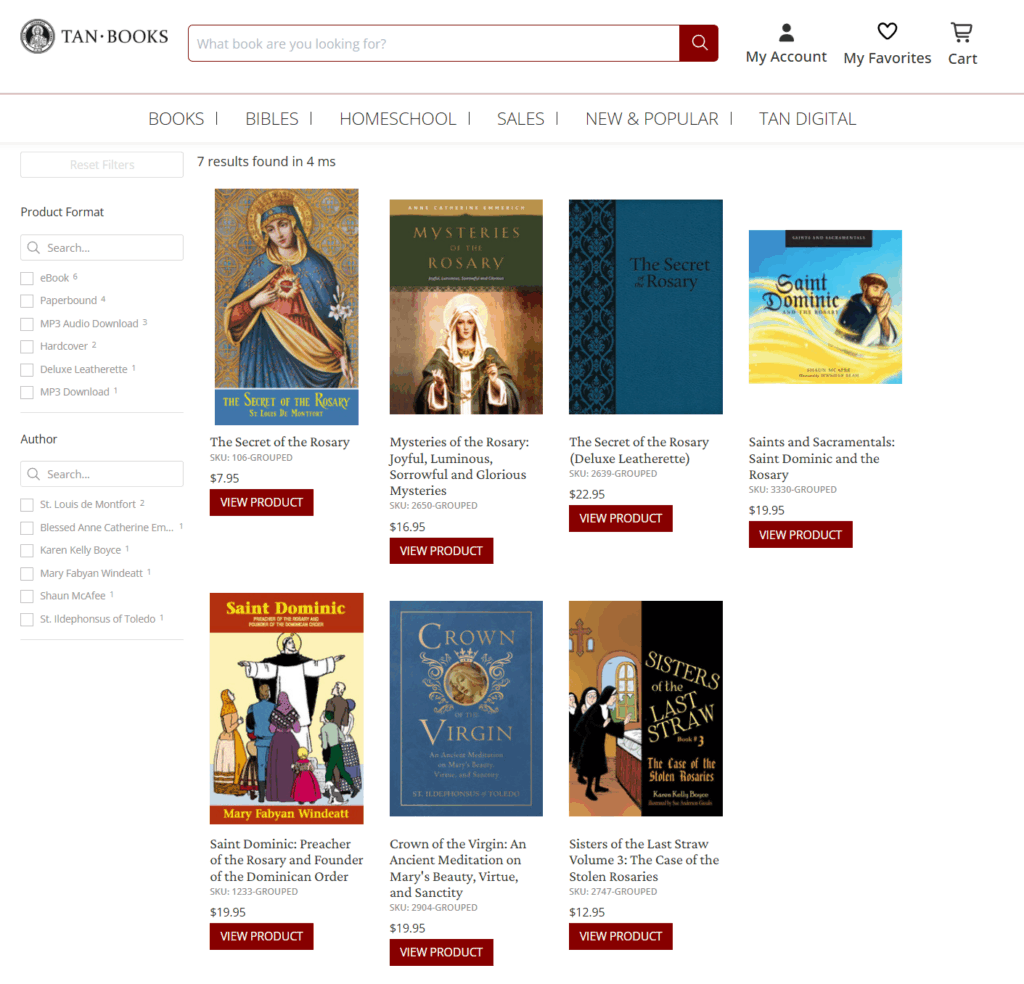
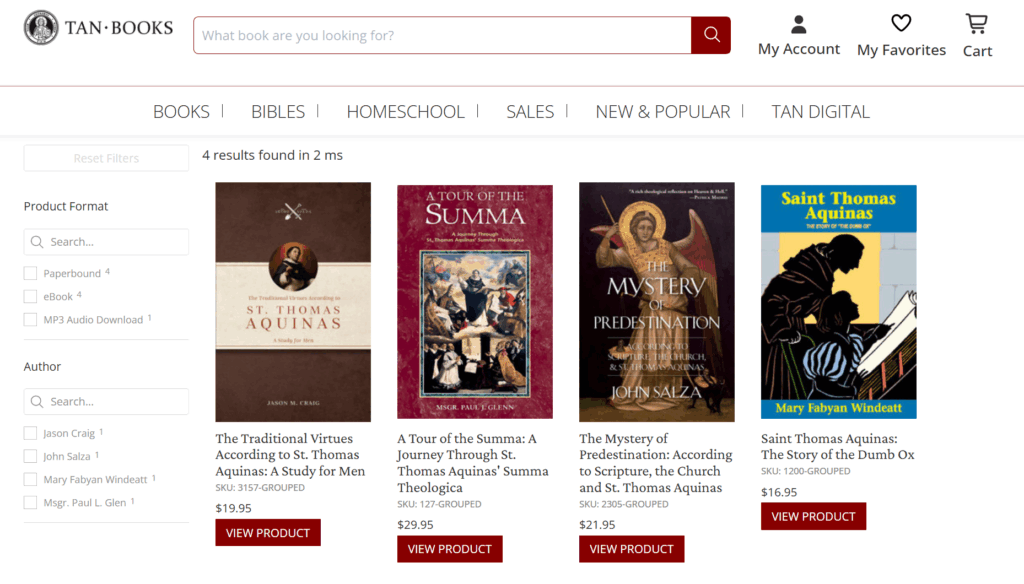
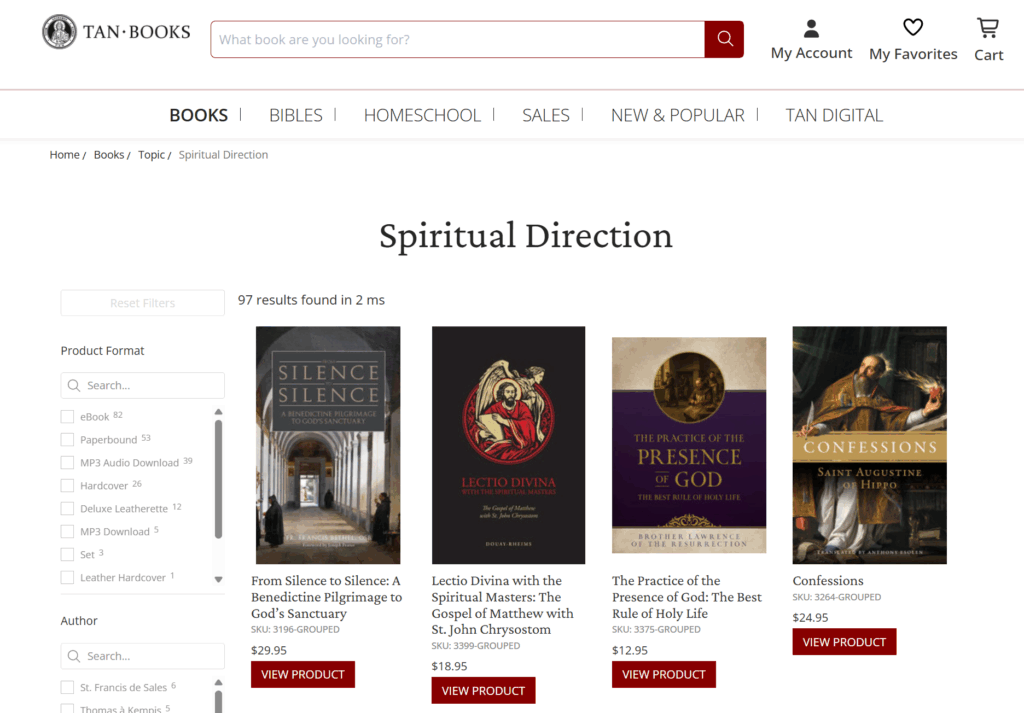

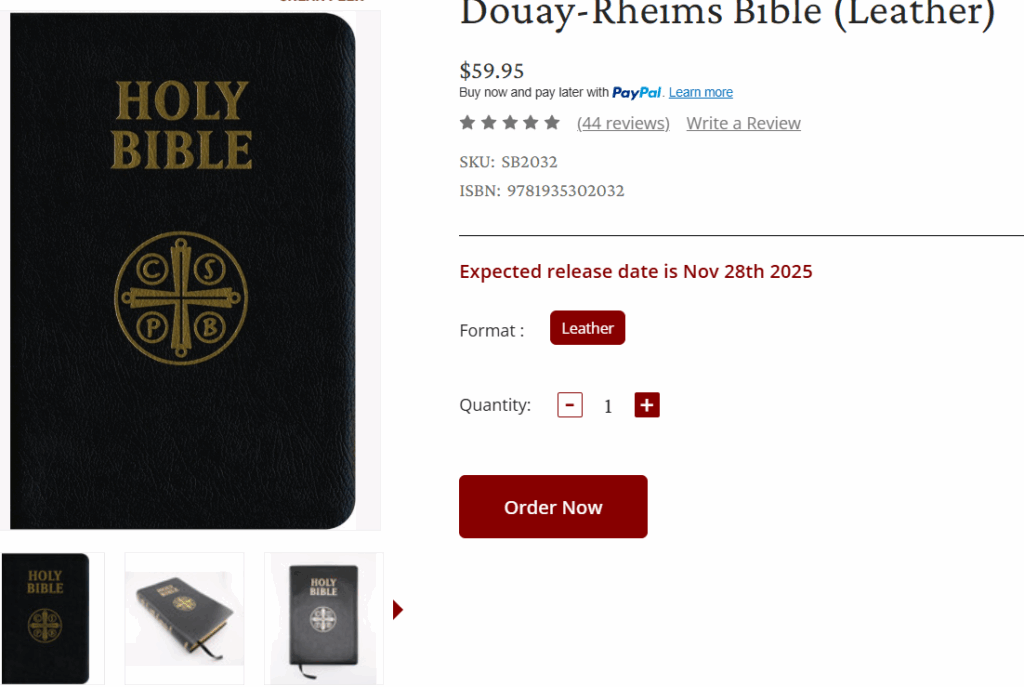
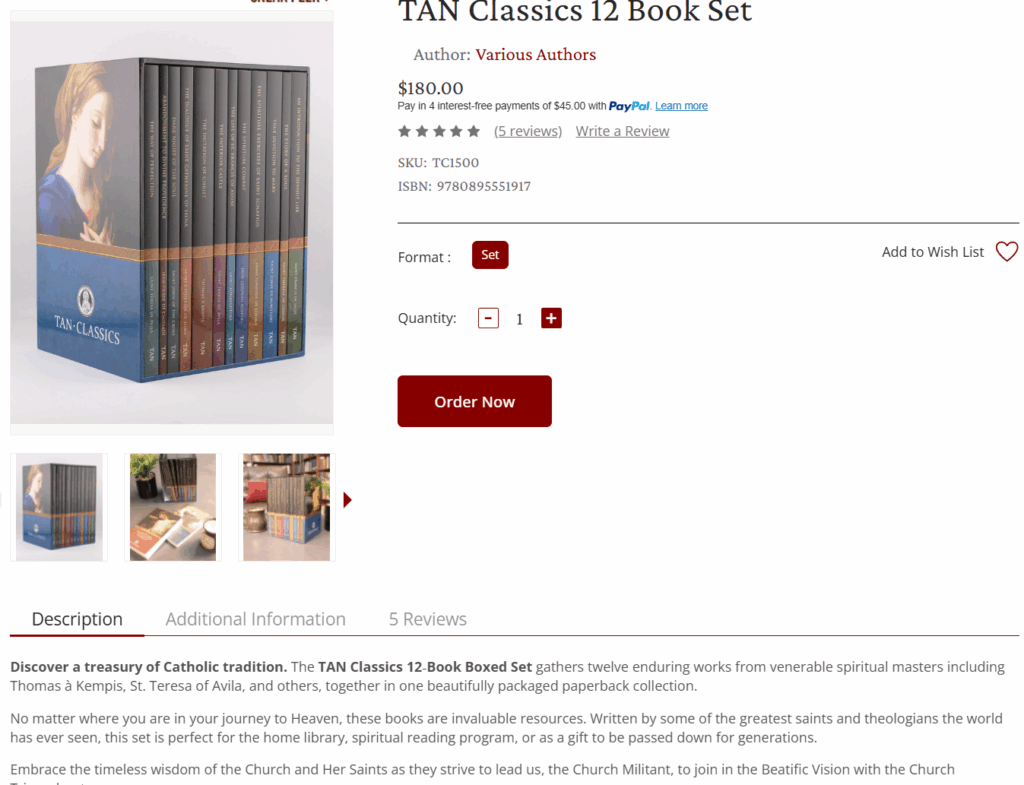
Today you can Save 15% with code CARMEL16
What Daily Practices Will Transform My Love for Jesus?
How Should I Begin Each Day?
Begin each day with a simple but powerful prayer: “Jesus, every choice I make today will bring me either closer to You or closer to the world. Help me choose You in all things.”
Expanded Morning Offering:
- Offer God your work, your interactions, your challenges, your joys
- Ask for the grace to see Christ in every person you meet
- Request strength to resist temptation and choose virtue
- Consecrate your eyes, ears, hands, and mouth to God’s service
Practical Example: Write your morning offering on an index card and place it on your bathroom mirror, where you’ll see it as you prepare for the day. Pray it out loud. Let it set the tone for every decision that follows.
How Can I Examine My Conscience Daily?
Saint Ignatius of Loyola’s Daily Examen is a powerful tool for spiritual growth. Spend 10-15 minutes each evening reviewing your day:
- Gratitude: What am I grateful for today?
- Review: Where did I see God present today?
- Sorrow: Where did I choose the world over Jesus today?
- Forgiveness: Ask God’s mercy for specific failures
- Grace: What grace do I need for tomorrow?
Practical Example: Keep a simple journal with these five categories. Write just one sentence for each. Over time, you’ll notice patterns—recurring sins, consistent graces, areas of growth. This self-knowledge is essential for spiritual progress.
What Should My Last Thoughts Be Before Sleep?
End each day with humility: “Jesus, I offer You my imperfect love today. I failed You in many ways. Transform my weak phileo love into strong agape love. I trust in Your mercy.”
Additional Practice: Before sleep, make a brief act of contrition for the sins of the day. Resolve to go to Confession soon. Ask the Blessed Mother to pray for you. This practice ensures you never go to sleep in a state of unrepented sin.
Will You Take the 7-Day Love Test?
Here’s a week-long challenge to move from theory to practice:
Days 1-2: Can I Filter Every Decision Through This Question?
Before every decision—big or small—ask: “Does this bring me closer to Jesus or closer to the world?” Keep a small notebook and record your answer for each significant choice. Notice patterns.
Examples to test:
- Should I attend daily Mass or sleep in?
- Should I scroll social media or read Scripture?
- Should I buy this or give the money to charity?
- Should I watch this show or spend time with family?
- Should I complain or offer it up?
Days 3-4: What Happens When I Fast from Pleasure?
Choose one unnecessary pleasure you rely on and fast from it completely:
- Social media
- Coffee (beyond one cup)
- Television/streaming
- Snacks between meals
- Video games
Notice how difficult it is. Notice how often you reach for it. This reveals your attachment. Offer up the discomfort for the poor souls in purgatory.
Days 5-6: Can I Practice Radical Generosity?
Give away something you value but don’t truly need:
- A piece of clothing you like
- A book from your collection
- Money you were saving for something unnecessary
- Time you usually reserve for yourself
Give it to someone who needs it more, or donate it to charity. Feel the freedom of detachment.
Day 7: What Will Happen in an Hour of Silence?
Spend one full hour in complete silence with Jesus:
- No music, no podcasts, no audiobooks
- No phone, no distractions, no agenda
- Ideally in Eucharistic Adoration, or at least in prayer at home
- Just you and Jesus
Don’t try to fill the silence with words. Just be present. Let God speak. This will be uncomfortable—that discomfort reveals how addicted we are to noise and how unfamiliar we are with God’s presence.
What Are You Willing to Give Up for Jesus?
Every day we wake up, we face the same choice: Will we love Jesus or love the world?
This isn’t a one-time decision made at baptism or confirmation. It’s a daily, hourly, moment-by-moment choice. Every purchase, every show we watch, every conversation we have, every thought we entertain—all of it is either drawing us closer to Christ or pulling us toward the world.
The uncomfortable truth is that we cannot serve both masters. We cannot love Jesus and love the world. We cannot seek first the Kingdom of God while also seeking first our comfort, our pleasure, our status, our accumulation.
But here’s the good news: God doesn’t demand perfection. He knows we’re weak. Remember Peter responding with phileo instead of agape? Jesus still used him to build His Church.
What God asks for is sincere effort, honest examination, and the willingness to keep choosing Him despite our failures. Saints aren’t people who never struggled with loving the world—they’re people who kept choosing Jesus despite the struggle.
What Do My Bank Statements and Screen Time Say About My Love?
As we close this examination, ask yourself these final questions:
- If Jesus reviewed my bank statements, social media feed, calendar, and screen time report, would He find evidence that I love Him most?
- If I died today, could I honestly say I loved Jesus more than my comfort, my possessions, my reputation, and my pleasures?
- What one thing is holding me back from loving Jesus with my whole heart?
- Am I willing to let Him take it?
These are hard questions. They should be hard questions. Loving Jesus cost Him everything—His comfort, His reputation, His life. Following Him will cost us something too.
But consider the alternative. All the things we cling to—our possessions, our pleasures, our comforts—what are they compared to eternal life? What are they compared to intimate union with the God who created us, who died for us, who longs for us to choose Him?
Saint Paul puts it perfectly: “I count everything as loss because of the surpassing worth of knowing Christ Jesus my Lord” (Philippians 3:8).
May we have the courage to say the same. May we examine our lives honestly. May we choose Jesus, not just on Sundays, but in every decision, every day.
And when we fail—because we will fail—may we remember that God’s mercy is infinite, His patience is unfailing, and His love for us never wavers. He’s not asking for perfection. He’s asking for our hearts.
Will we give them to Him?
Lex orandi, lex credendi, lex vivendi—Let how we pray shape what we believe, and let what we believe shape how we live. And let all of it point to one truth: Jesus Christ is Lord, and He alone is worthy of our complete, sacrificial, agape love.
Prayer to Love Jesus More:
Lord Jesus Christ, I confess that I have loved the world more than I have loved You. I have sought comfort over sacrifice, pleasure over holiness, and my own will over Yours. Forgive me.
Give me the grace to love You with agape love—not just with affection, but with my whole heart, soul, mind, and strength. Transform my desires. Detach my heart from worldly things. Help me see clearly what draws me toward You and what pulls me away.
Before every choice today, remind me to ask: “Does this bring me closer to Jesus or closer to the world?” Give me the courage to choose You, even when it’s difficult, even when it costs me something, even when the world calls me foolish.
I place all my attachments at the foot of Your Cross. Take from me whatever prevents me from loving You fully. Fill the empty spaces with Your presence. Let my life become a living testament to Your love.
Through the intercession of Your Blessed Mother Mary, who loved You perfectly, teach me to love You as I ought.
Amen.