7 Ultimate Truths About Heaven: What Catholic Teaching Reveals About Our Eternal Destination
Table of Contents
The Ultimate Guide to Heaven: What Catholic Teaching Reveals About Our Eternal Destination
After our particular judgment, those found worthy receive the greatest reward imaginable: eternal life in paradise. But what exactly awaits us in this blessed state? Catholic doctrine provides profound insights into both the nature and location of our eternal home.
Understanding the Dual Nature of Paradise
The afterlife represents both a spiritual condition and an actual location. As a state of being, it encompasses perfect joy without suffering. As a physical realm, it serves as the eternal dwelling place for the righteous.
This dual nature becomes evident when examining Christ’s resurrection. After rising from the dead, Jesus possessed a tangible, glorified form that the apostles could touch (Luke 24:39). His ascension toward the east in an upward direction (Acts 1:6-12) suggests a definite location for this blessed realm.
Biblical Evidence for a Physical Paradise
Scripture provides compelling evidence that our eternal home is more than just a spiritual concept. Christ himself described it as a tangible place:

“Let not your heart be troubled. You believe in God: believe also in me. In my Father’s house there are many mansions. If not, I would have told you: because I go to prepare a place for you” (John 14:1-3).
The Gospel of Mark further confirms this physical reality: “And the Lord Jesus, after he had spoken to them, was taken into paradise and sitteth on the right hand of God” (Mark 16:19).
The Transformed Body: Four Divine Qualities
At the end of time, our physical forms will reunite with our souls, receiving glorification similar to Christ’s resurrected body. According to Catholic theology, these transformed bodies will possess four remarkable qualities:
Impassibility: Freedom from Suffering
Physical illness and death become impossible. As Saint Paul explains, “It is sown in corruption, it shall rise in incorruption” (1 Corinthians 15:42).
Subtlety: Spiritual Enhancement
The glorified form gains spirit-like properties, enabling passage through solid barriers. Paul describes this transformation: “It is sown a corruptible body, it shall rise a spiritual body” (1 Corinthians 15:44).
Agility: Perfect Mobility
Movement becomes effortless and instantaneous. The body will possess the ability to travel vast distances in moments and even bi-locate.
Clarity: Radiant Beauty
All deformities disappear, replaced by luminous perfection. Christ promised: “The just shall shine as the sun in the kingdom of their Father” (Matthew 13:43).
The Fulfillment of Human Desires
Beyond physical transformation, paradise satisfies our deepest longings:
Intellectual Satisfaction
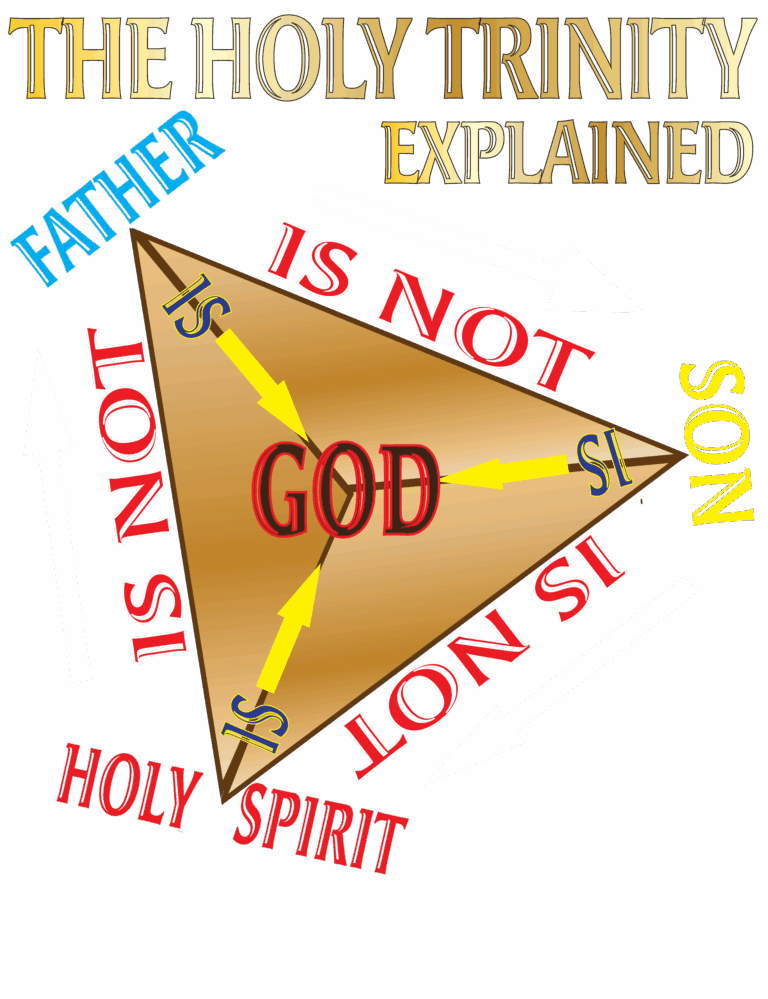
Our thirst for knowledge receives complete fulfillment. The blessed will comprehend divine mysteries that required faith on earth, including the Trinity, Incarnation, and Transubstantiation. We’ll understand God’s justice and mercy, witnessing the reasoning behind earthly events and exploring scientific wonders.
Christ promised this understanding to the pure in heart: “Blessed are the clean of heart, for they shall see God” (Matthew 5:8).
Perfect Love
Our capacity for love reaches its ultimate expression. We’ll love the Creator with divine intensity, experiencing charity that surpasses earthly comprehension. As Saint John prophesied: “God will wipe away all tears from their eyes; and death shall be no more, nor mourning, nor crying, nor sorrow” (Revelation 21:4).
Enhanced Sensibilities
Our appreciation for beauty, form, sound, and color becomes infinitely refined. The transformed universe will provide endless sources of aesthetic delight compatible with our glorified state.
Essential Characteristics of Eternal Bliss
Catholic teaching identifies several key properties of our eternal reward:
Permanent Security: Paradise cannot be lost once attained. Saint Paul calls it “an incorruptible crown” (1 Corinthians 9:25), while Saint Peter describes it as “an inheritance, incorruptible, and undefiled, that can never fade” (1 Peter 1:4).
Eternal Duration: Time ceases to exist in paradise. Unlike the Creator who has no beginning, the blessed have a starting point but no end. Christ confirmed this permanence: “the just [shall go] into everlasting life” (Matthew 25:46).
Ever-Fresh Joy: Eternity exists in perpetual present, creating joy that never grows stale or boring.
Varying Degrees: While all behold the same divine vision, knowledge and happiness vary according to earthly merit. As Christ taught: “[He] will render to every man according to his works” (Matthew 16:27).
Universal Satisfaction: Despite varying degrees of bliss, each person experiences perfect happiness according to their individual capacity.
Conclusion: Heaven as the Ultimate Destination
Heaven represents both a place and state where angels and glorified humans know the Creator as He knows Himself, love Him with divine intensity, and share His infinite happiness throughout eternity. This teaching about heaven offers believers tremendous hope and motivation for faithful living.
The reality of heaven transforms how we understand our earthly journey and our ultimate purpose. Knowing that heaven awaits those who persevere in faith provides strength during trials and encourages us to live according to Catholic moral teaching.
Heaven is not just a distant promise but a present reality that influences every aspect of Christian life. When we understand what heaven is like, we begin to see our earthly sufferings and joys in proper perspective, recognizing them as temporary experiences that pale in comparison to eternal bliss.
The Church’s teaching on heaven reminds us that our true home lies not in this world but in the eternal kingdom prepared by Christ. This knowledge of heaven should inspire us to live each day with hope and purpose, knowing that our brief time on earth is preparation for the endless joy of heaven.
For those seeking deeper understanding of Catholic doctrine regarding heaven and the afterlife, the Catechism of the Catholic Church provides comprehensive theological insights into these eternal truths about heaven and our ultimate destiny with God.