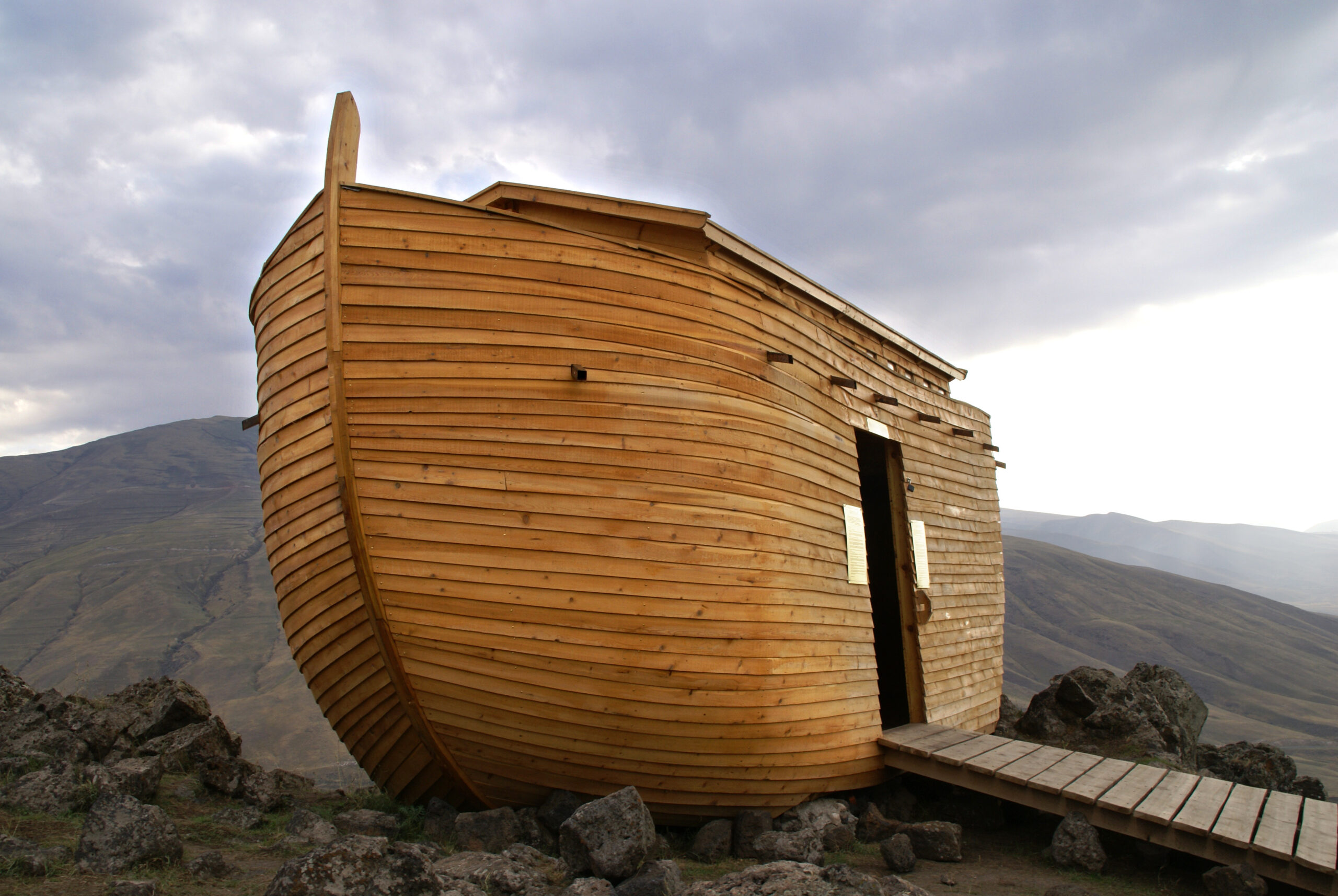
The Hidden Truth: How the Dispersion of Nations Occurred After Noah’s Flood
What became of humanity after the Great Flood?
This question has captivated the faithful for centuries, yet the answer lies clearly within Sacred Scripture. The Holy Bible reveals that all present world populations descended from Noah’s three sons – Shem, Ham, and Japheth – who became the fathers of all families on earth (Genesis 10:32) [10]. Through Divine Providence, this small remnant of eight souls would repopulate the entire world.
The Scriptures tell us that approximately 65 original family groups existed at the moment of the great dispersion [10]. What strikes me as particularly remarkable is how swiftly the sons of Noah fulfilled God’s command to multiply and fill the earth. Within two centuries following this momentous event, most of the Bible lands were occupied and being settled by their respective peoples [37]. Consider this: calculations suggest that the population at Babel could have reached close to 8,000 souls [10], with potential growth reaching 3.5 million under favorable conditions without accounting for warfare, pestilence, and infant mortality [10].
As we examine the sacred record, we shall explore where each of Noah’s sons established their lineages, study the territories granted to their descendants, and understand how the Almighty populated the world through these three family lines. Recent archaeological discoveries confirm that an aggressive, nearly simultaneous scattering of humanity from the Near and Middle East region did indeed occur [37], precisely as the biblical narrative describes.
Let us journey through this sacred history and discover how modern findings continue to illuminate this pivotal moment when God scattered the nations and confounded their tongues.
The Preservation of Noah’s Family: Divine Providence After the Deluge
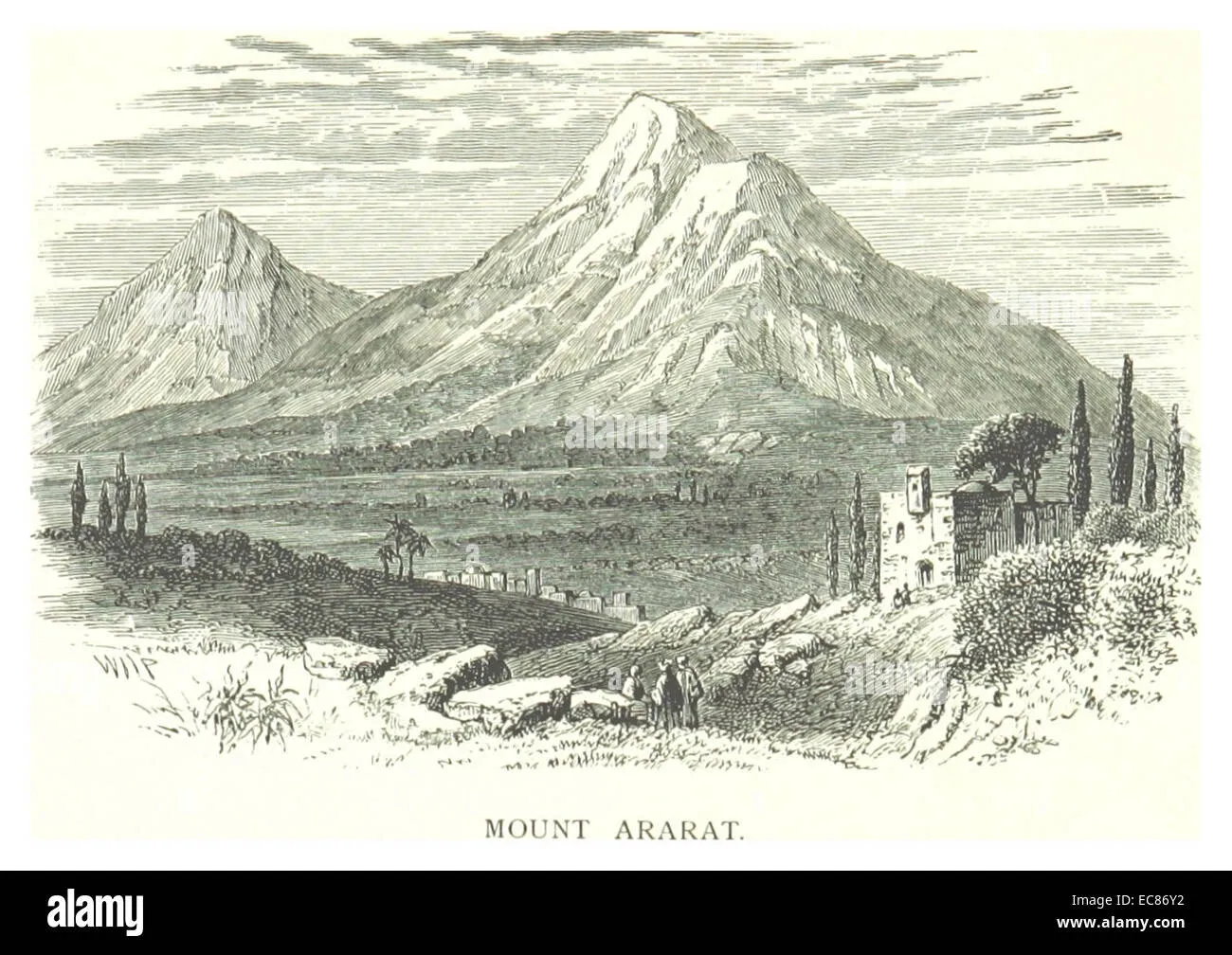
Image Source: Alamy
As we read in the Scriptures, Noah and his family emerged from the ark after more than a year of confinement to behold an entirely transformed world. The landscape before them bore no resemblance to the earth they had known before the Divine judgment. This small remnant of humanity – eight souls consisting of Noah, his wife, their three sons Shem, Ham, and Japheth, and their wives – now faced the monumental task of rebuilding human civilization under God’s watchful eye. Biblical scholars place the great flood to be around 2350 – 2500 BC.
The Faithful Patriarch’s First Acts
The sacred text reveals that Noah’s initial response upon leaving the ark was one of profound gratitude and worship. He constructed an altar and offered sacrifice to the Almighty, acknowledging their miraculous preservation through the catastrophic deluge. The Lord, pleased with this act of thanksgiving, established His covenant with Noah, promising never again to destroy the earth by flood, setting the rainbow as the eternal sign of this divine promise [10].
The desolate landscape that greeted them presented formidable challenges. Apart from the creatures that had accompanied them in the ark, wildlife was nearly absent from the earth. While small vegetation may have begun to sprout, mature trees were scarce save for saplings – as evidenced by the olive leaf the dove had retrieved during their final days aboard the vessel (Genesis 8:11) [37].
The most urgent necessities facing Noah’s family included:
- Locating reliable sources of fresh water
- Securing adequate food supplies for survival
- Constructing shelter against the harsh elements
- Establishing methods for sustainable food production
According to the biblical account, the ark had settled upon a mountain peak, as indicated by the two-month wait before other mountaintops became visible [41]. This elevation would have required the family to descend to lower regions where they could find suitable conditions for long-term habitation. Though the ocean temperatures remained warm for some time after the flood, providing a more temperate climate, mountain peaks typically lack the resources necessary to sustain life [41].
The Divine Command to Replenish the Earth
Following the flood, the Almighty blessed Noah and his sons with a sacred mandate: “Be fruitful, and multiply, and replenish the earth” (Genesis 9:1) [2]. This commandment echoed the original blessing bestowed upon Adam and Eve, demonstrating God’s continued mercy toward mankind despite the recent judgment [2].
This divine directive carried profound theological significance:
- It affirmed the centrality of the family unit in God’s design for humanity
- It established mankind’s responsibility as stewards of the renewed creation
- It designated Noah’s lineage as the sole progenitors of all future generations
Furthermore, this command foreshadowed the eventual spread of humanity across the globe, revealing the Creator’s intention that men should inhabit and govern the entire earth rather than remain concentrated in one region [2]. Yet as we shall discover, Noah’s descendants would initially resist this divine directive to scatter.
The Settlement at the Mountains of Ararat
The Holy Scriptures record that the ark came to rest “upon the mountains of Ararat” (Genesis 8:4). Historical research indicates that the first post-flood settlement, referenced in some ancient sources as Mesha-Naxuan, was established near this very location [37]. The Armenian historian Moses of Chronensis called this place “Naxuan, the place of the first descent,” suggesting there would be a subsequent departure from this initial settlement [37].
This first city was constructed using materials salvaged from the ark itself. The vessel’s hull provided essential building materials – the survivors dismantled its planks and beams to create roofs for their dwellings and melted the bitumen to seal their homes against rain [37]. Thus, the very ark that had preserved them through the flood became the foundation for their new civilization.
For sustenance, Noah’s family initially depended upon grain stores preserved from the ark, though fresh produce would require months to cultivate [41]. Significantly, the Lord now granted them permission to consume meat, marking a change from pre-flood dietary limitations (Genesis 9:3) [41]. Their proximity to water sources would have provided opportunities for fishing, while the clean animals from the ark – possibly brought in seven pairs – served both as food sources and as labor for agricultural endeavors [41].
The incident involving Ham (Genesis 9:21) reveals that Noah eventually dwelt in a tent, likely fashioned from ark timber with animal hides for covering [41]. This event occurred several years after the flood, as Noah had already established a vineyard and produced wine – a process requiring no less than three years for vines to bear fruit [37].
Much more could be written concerning these early days of the renewed world, but the sacred record provides us with sufficient detail to understand how Divine Providence guided the preservation and establishment of post-flood humanity.
The Tower of Babel: God’s Divine Judgment Upon Human Pride

The Sin of Pride and Rebellion Against God’s Command
As the sons of Noah multiplied, they journeyed eastward and discovered a fertile plain in Shinar where they chose to establish a permanent settlement [2]. Their resistance to God’s command stemmed from pride, the desire for human unity without Divine guidance, and a longing for earthly glory. The Scriptures record their words: “Come, let us build ourselves a city and a tower with its top in the heavens, and let us make a name for ourselves, lest we be dispersed over the face of the whole earth” [37].
This declaration reveals the heart of their rebellion—they deliberately sought to thwart the very scattering that the Almighty had ordained. Rather than trusting in Divine Providence, they chose consolidation and the centralization of human power [37]. Some scholars suggest they feared isolation and sought safety in numbers, creating a central landmark for wandering shepherds to find their way home [37]. However, their fundamental motivation remained clear: they preferred to establish a permanent settlement rather than obey God’s command to spread throughout the earth [9].
The Construction of Human Ambition
The construction project itself was ambitious and marked by innovation. The builders employed manufactured bricks rather than stone, thoroughly baking them for durability, and used bitumen (tar) as mortar [2]. This technology enabled them to create permanent structures unlike anything built since the Flood.
The tower served multiple purposes in their rebellion:
- To stand as a monument to human achievement without God
- To establish their collective reputation (“make a name for ourselves”)
- To create a visible landmark preventing their dispersal
- To potentially establish a fortress against any divine attempt to scatter them [37]
Though the Holy Scriptures do not specify the tower’s exact height, the phrase “its top in the heavens” likely expressed impressive height rather than a literal claim of reaching the celestial realm [10]. Given that this occurred approximately 2242-2206 BC [37], the tower represented a remarkable feat of ancient engineering. Various estimates throughout history have proposed heights between 200-5,433 cubits [10] around 90 meters to over 2400 meters.
The Divine Response: Confusion of Tongues
Upon observing humanity’s unified rebellion, the Almighty recognized the grave implications of their project. “Behold, they are one people, and they have all one language, and this is only the beginning of what they will do. And nothing that they propose to do will now be impossible for them,” the Lord declared [37]. This statement acknowledges both the remarkable potential of unified human effort and God’s concern about their collective defiance of His will [41].
Rather than destroying their work through another catastrophe such as the Flood, the Lord chose a more subtle yet equally effective intervention. He confused their language, instantly creating multiple language families where previously only one had existed [2]. For the first time in human history, a language barrier emerged [37].
The immediate effect was profound and decisive. Without the ability to communicate effectively, coordinating such a massive construction project became impossible [37]. The formerly united community fractured into smaller groups according to their shared languages [37]. Construction of the city ceased, and the people began dispersing across the earth—precisely fulfilling God’s original command [9].
The place was thereafter called “Babel” (from the Hebrew word “balal” meaning “to confuse”), because there the Lord confused the language of all people [10]. This dispersion marked the beginning of diverse linguistic and cultural groups and initiated the spread of human civilization to different regions throughout the world [41].
The Sacred Geography of Dispersion
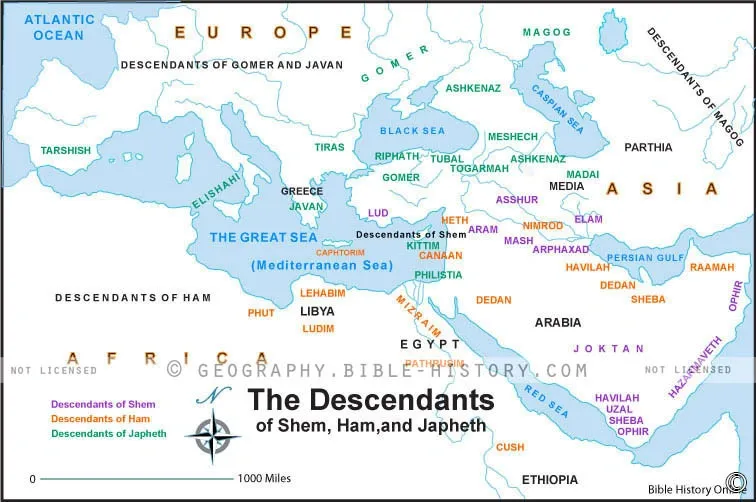
Image Source: Bible History
Where did the great scattering of humanity take place?
This foundational question has occupied the minds of biblical scholars and historians for centuries. As we read in the Scriptures, both biblical testimony and archaeological evidence converge to reveal the true location of this momentous event that forever changed the course of human history.
The Biblical Testament of Babel’s Role
Genesis 11 provides us with an unambiguous declaration: “So the Lord scattered them from there across the face of the entire earth, and they stopped building the city. That is why its name was called Babel—because there the Lord confused the language of the entire world, and from there the Lord scattered them across the face of the entire earth” [10]. This definitive statement establishes Babel as the epicenter from which all post-flood nations were dispersed.
According to the sacred narrative, Noah’s descendants had migrated eastward until they discovered a plain in Shinar where they chose to settle [10]. This region corresponds to southern Mesopotamia [modern day southern Iraq], which archaeologists have identified as the cradle of early civilization. The construction project at Babel served as both the catalyst and the geographic origin point for the worldwide dispersion that followed.
The dispersion at Babel fulfilled God’s original command to “fill the earth” (Genesis 1:28) through divine intervention [11]. Had Noah’s descendants willingly dispersed as commanded, they might have maintained a single language [12]. Instead, God’s judgment resulted in both linguistic division and geographic scattering.
The Sacred Lineages: Shem, Ham, and Japheth as Fathers of Nations
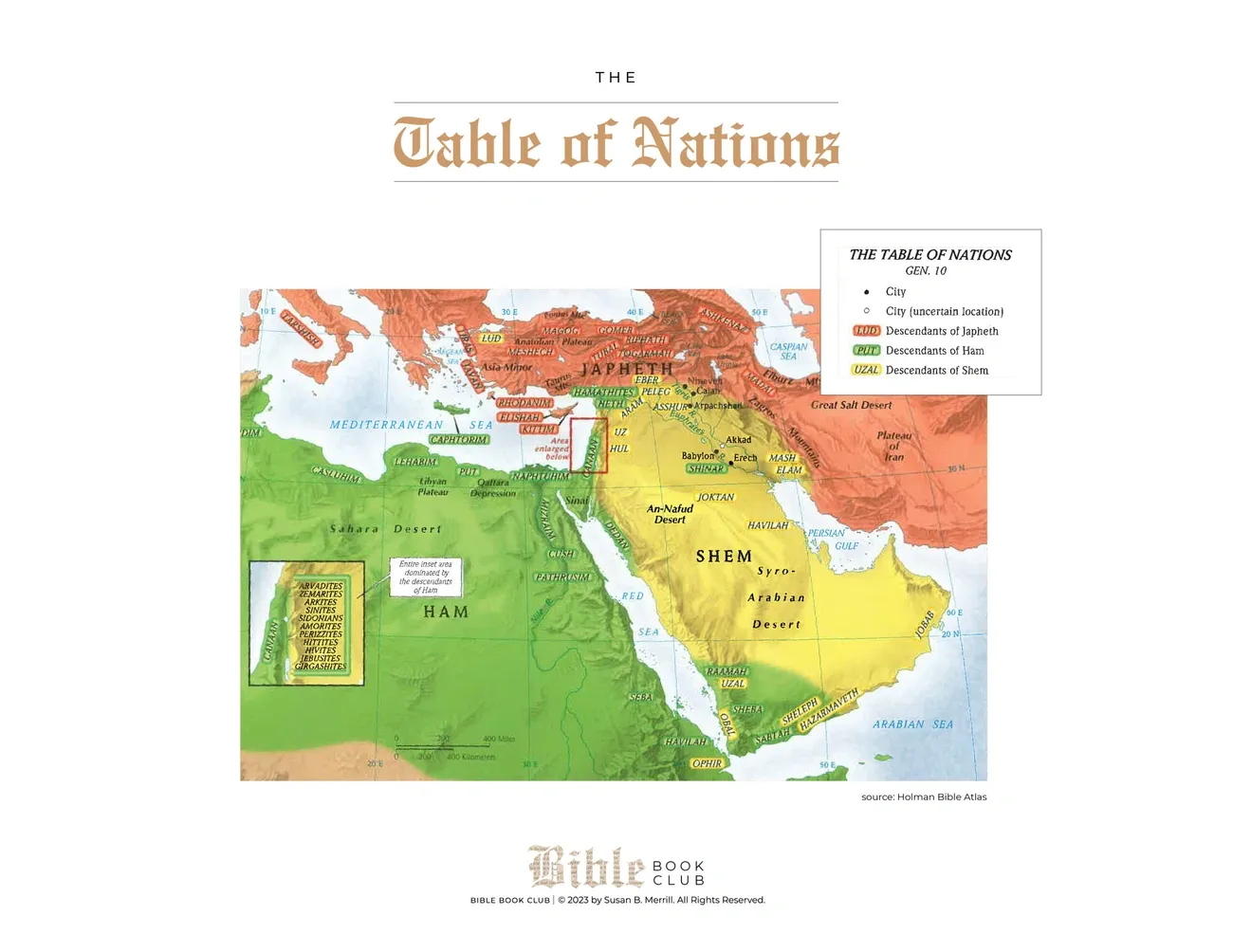
Image Source: Bible Book Club
Following the great scattering at Babel, the three sons of the righteous Noah became the progenitors of all nations throughout the ancient world. Their descendants would establish the great civilizations that spread across Africa, Asia, and Europe, forming the very foundation of human geography as revealed in Sacred Scripture.
The Settlement of Noah’s Sons According to Scripture
The Holy Bible provides us with a clear understanding of how each son of Noah became the father of distinctive peoples who settled in different regions of the earth:
Shem (meaning “name”) fathered the Semitic peoples who primarily occupied territories in the ancient Near East [1]. From his five sons came five key Semitic nations [1]. The Shemites were particularly blessed with religious zeal and became the ancestors of the chosen people of Israel [1]. From Shem’s holy lineage eventually emerged Judaism, Islam, and Christianity [1]. His descendants established themselves as follows:
- Elam: Settled northeast of the Persian Gulf in ancient Persia
- Asshur: Inhabited the region between the Euphrates and Tigris Rivers in Assyria
- Arphaxad: Settled in Chaldea, the land of Babylonia
- Lud: Established territories in Asia Minor, with some later migrating to northern Africa
- Aram: Occupied the area north and east of Israel in Syria
Ham (meaning “hot” or “black”) begat four sons who primarily settled in Africa and parts of the Near East [1]. His descendants included the peoples of Egypt, Ethiopia, and Canaan [1]. The Hamites were recognized for their physical endurance and strength [1]. Most notably, Canaan, the son of Ham, settled in the very land that the Almighty would later grant to the Hebrews [1].
Japheth (meaning “God will enlarge”) became the father of the European nations [1]. His seven sons established vast territories stretching from India to Western Europe [17]. The Japhethites were particularly known for their intellectual pursuits and activities [1]. Their domains included areas around the Black and Caspian Seas, parts of Asia Minor, and the Greek islands [18].
The Territories Granted by Divine Providence
According to the sacred genealogies, the three lineages of Noah spread throughout the ancient world in a most remarkable pattern [1]. The distribution occurred as follows:
- Shem’s descendants, the Semites, occupied much of the Middle East and parts of Asia
- Ham’s descendants populated Africa and portions of the Middle East
- Japheth’s descendants spread northward into Europe and parts of Asia
What I find particularly striking is that the territories were not equally distributed among the brothers. Ham received the largest territory, Shem claimed a medium-sized region, and Japheth initially occupied the smallest area [19]. Yet, over time, Japheth’s territory expanded significantly, fulfilling Noah’s prophetic blessing that “God shall enlarge Japheth” [17].
The Table of Nations: A Sacred Record
Genesis Chapter 10, which the Church has long called the “Table of Nations,” provides us with a catalogue of seventy nations descended from Noah through his three blessed sons [6]. This extraordinary document stands as the oldest record of peoples in the ancient Near East [20]. The number seventy carries deep symbolic significance, representing completeness and totality in the divine plan [21].
The sacred Table records:
- 14 descendants of Japheth [21]
- 30 descendants of Ham [21]
- 26 descendants of Shem [21]
The arrangement of these lineages follows a divine pattern—Japheth appears first, then Ham, with Shem (the ancestor of Abraham) placed last for emphasis [21]. This structure places Israel’s forefather at the climax of the genealogy, showing God’s particular providence for His chosen people.
This comprehensive genealogy establishes beyond question that all humans share a common ancestry through the righteous Noah [22]. Furthermore, it explains how humanity progressed from a single language and culture at Babel to the diverse nations we observe throughout the world today.
How did the Almighty accomplish the remarkable feat of populating our entire world from Noah’s family of eight souls?
This question has captivated scholars for generations, yet the mathematical evidence confirms what the faithful have long understood – that God’s design for replenishing the earth was both perfect and achievable.
The Mathematics of Divine Providence
Starting with the righteous Noah and his family, mathematical models demonstrate conclusively that reaching our current world population of over 8 billion souls in approximately 4,500 years is entirely feasible [7]. I find it particularly fascinating that computer simulations, accounting for factors such as maturation age, child spacing, and mortality rates, consistently show that a modest annual growth rate of merely 0.464% would suffice [7].
Consider this remarkable truth: this required growth rate is considerably lower than the historical growth rate of the Israelites during their sojourn in Egypt, which reached approximately 2.6% annually [26]. This demonstrates that God’s command to “be fruitful and multiply” was not only divine mandate but mathematical certainty.
Divine Timing in Migration and Settlement
As the descendants of Noah multiplied and spread forth, the Almighty’s perfect timing becomes unmistakably apparent. The post-Flood Ice Age, commencing soon after the flood, which temporarily lowered sea levels by 200-280 feet [27], creating crucial land bridges that facilitated both animal and human migration to distant continents. These bridges included:
- The connection between continental Europe and England
- The land bridge between Asia and North America at the Bering Strait
- The passage connecting Southeast Asia with Australia [28]
According to Divine Providence, these bridges disappeared as ice sheets melted and sea levels rose, effectively ending the period of mass migration [27]. This timing was no mere coincidence – it was God’s design to ensure the filling of the earth while preventing later confusion and mixing of the dispersed nations.
Throughout this remarkable expansion across the continents, humanity adapted to vastly different environments while developing distinctive cultures. These cultures reflected both their common ancestry through Noah and the unique characteristics of their new homelands – precisely as one would expect from the biblical narrative of dispersion and settlement.
The evidence clearly demonstrates that the scattering of nations was both rapid and methodical, fulfilling the Almighty’s command to fill the earth while establishing the foundations for all human civilization.
The Sacred Truth Revealed
As we have journeyed through the sacred account of humanity’s dispersion, the wisdom of Divine Providence becomes manifest in every detail. From the moment Noah’s family emerged from the ark to the great scattering at Babel, we witness God’s perfect plan unfolding across the centuries.
The archaeological record bears testimony to the truth of Scripture, with the ziggurats of Mesopotamia standing as silent witnesses to that moment when the Almighty confused the tongues of men. The early civilizations, all point to a rapid expansion from a central point, precisely as the biblical narrative describes. Mathematical calculations confirm what faith has long proclaimed: that eight souls could indeed populate the entire earth within the timeframe Scripture provides.
What strikes me as most profound is how the three sons of Noah—Shem, Ham, and Japheth—became the fathers of all nations, yet much remains unknown about the precise mechanisms of this divine dispersal. The Table of Nations in Genesis Chapter 10 provides us with the framework, but the full mystery of how languages were instantaneously created and how peoples adapted to their new homelands reveals the depths of God’s creative power.
This dispersion, though appearing as divine judgment upon human pride, actually fulfilled the original command to “be fruitful and multiply, and replenish the earth.” Through the confusion at Babel, the Almighty accomplished what voluntary obedience had failed to achieve. The rich diversity of languages, cultures, and nations we observe today all trace back to that pivotal moment in the plains of Shinar.
When next you encounter the manifold diversity of human cultures and tongues, remember that we all descend from a single righteous man and his family who found favor with God. Despite our differences, we share this common heritage—a truth that should humble us before the majesty of Divine Providence and the unity of the human family under God.
Praise be to the Almighty, who in His wisdom scattered the nations that they might fill the earth according to His perfect will.
FAQs
Q1. How many nations emerged after Noah’s flood? According to the biblical account in Genesis 10, known as the Table of Nations, there were 70 nations or people groups that descended from Noah’s three sons – Shem, Ham, and Japheth. This genealogy represents the oldest known catalog of peoples in the ancient Near East.
Q2. How did the world’s population grow from just Noah’s family? Mathematical models show that starting with Noah’s family of eight people, it’s entirely feasible to reach today’s global population in about 4,500 years. A modest annual growth rate of just 0.464% would be sufficient. This growth was facilitated by factors like longer lifespans and favorable conditions for expansion in the post-flood world.
Q3. Where did the different races originate after the flood? All racial characteristics were likely present in the genetic makeup of Noah and his family. As their descendants spread across different regions and adapted to various environments, distinctive physical traits became more pronounced in certain populations. This process, combined with some genetic isolation, led to the development of what we now recognize as different races.
Q4. Which regions did Noah’s sons and their descendants initially settle? Broadly speaking, Shem’s descendants (Semites) primarily settled in the Middle East and parts of Asia. Ham’s descendants populated Africa and some areas of the Middle East. Japheth’s descendants spread northward into Europe and parts of Asia. Over time, these groups expanded and established various civilizations across these regions.
Q5. How quickly did early civilizations develop after the dispersion at Babel? Archeological evidence suggests that distinct civilizations began to emerge within a few centuries after the dispersion at Babel. Cultures like the Ubaid and Samarra in Mesopotamia show signs of advanced settlement, agriculture, and social organization. By around 3000 BC, more complex societies like Sumer and Elam had developed, demonstrating rapid cultural and technological advancement.
References
[1] – https://answersresearchjournal.org/archeology/ark-landing-migration-early-settling-noahs-sons-part-1/
[2] – https://biblefellowshipunion.co.uk/2005/Sep_Oct/Flood6.htm
[3] – https://reasons.org/explore/blogs/todays-new-reason-to-believe/new-research-confirms-postflood-disperal-of-humanity
[4] – https://arkencounter.com/flood/after/
[5] – https://answersingenesis.org/the-flood/life-after-flood/?srsltid=AfmBOoqfh6QA5jN9Tl-4LQnMg41Oneh3xJPyEyVjxOLcTeUtVobaM_gb
[6] – https://answersingenesis.org/the-flood/life-after-flood/?srsltid=AfmBOopxd6yg7EAFqD-7LLciy3wd0A68-5YsyfRTOZG_Nv51abH_-WF_
[7] – https://biblehub.com/genesis/9-1.htm
[8] – https://www.ancient-origins.net/human-origins-religions/noahs-ark-south-ararat-009725
[9] – https://answersingenesis.org/tower-of-babel/?srsltid=AfmBOoqVRynPoFfwRcrb3qtVdfEllHSSszLxEogUkC-ciR7UqrCdGZ05
[10] – https://answersingenesis.org/tower-of-babel/?srsltid=AfmBOop8gVmkNvlIGNdiD48Xx4XLJZZT6kceg7x_yNzAOLaa4vJCQN1a
[11] – https://digitalcommons.denison.edu/cgi/viewcontent.cgi?article=1054&context=religion
[12] – https://www.blueletterbible.org/faq/don_stewart/don_stewart_752.cfm
[13] – https://en.wikipedia.org/wiki/Tower_of_Babel
[14] – https://mountcarmelreliefservices.com/exploring-the-tower-of-babel-lessons-on-ambition-and-divine-intervention/
[15] – https://biblehub.com/genesis/11-7.htm
[16] – https://www.britannica.com/topic/Tower-of-Babel
[17] – https://www.biblegateway.com/passage/?search=Genesis 11&version=NET
[18] – https://albertmohler.com/2015/02/24/the-table-of-the-nations-the-tower-of-babel-and-the-marriage-supper-of-the-lamb-part-1/
[19] – https://faithalone.org/grace-in-focus-articles/the-tower-of-babel-and-the-scattering-of-men/
[20] – https://answersresearchjournal.org/where-is-the-tower-of-babel/
[21] – https://www.until-we-see.com/heardyblog/were-there-two-bethels-andis-jerusalem-the-true-and-original-bethel
[22] – https://biblehub.com/genesis/11-9.htm
[23] – https://biblearchaeology.org/research/patriarchal-era/2695-is-there-archeological-evidence-for-the-tower-of-babel
[24] – https://biblehub.com/topical/d/dispersion_of_nations.htm
[25] – https://bible-history.com/old-testament/desc-shem-ham-japheth
[26] – https://enduringword.com/bible-commentary/genesis-10/
[27] – https://www.biblestudy.org/maps/the-world-as-known-to-the-hebrews.html
[28] – https://www.biblebookclubpodcast.com/shownotes/table-of-nations/
[29] – https://www.gotquestions.org/table-of-nations.html
[30] – https://biblemapper.com/blog/index.php/2022/08/08/table-of-nations-hams-descendants/
[31] – https://www.thetorah.com/article/the-table-of-nations-the-geography-of-the-world-in-genesis-10
[32] – https://www.gotquestions.org/sons-of-Noah.html
[33] – https://en.wikipedia.org/wiki/Ubaid_period
[34] – https://www.historyfiles.co.uk/FeaturesMiddEast/MesopotamiaPrehistory03.htm
[35] – https://en.wikipedia.org/wiki/Halaf_culture
[36] – https://en.wikipedia.org/wiki/Hassuna_culture
[37] – https://en.wikipedia.org/wiki/Sumer
[38] – https://creationmuseum.org/blog/2025/05/08/rebuilding-after-flood/
[39] – https://creation.com/biblical-human-population-growth-model
[40] – https://petergoeman.com/population-earth-flood/
[41] – https://www.icr.org/content/ice-age-and-scattering-nations
[42] – https://creation.com/land-bridges-after-the-flood